
US Supreme Court strikes down Trump IEEPA tariffs
Court says emergency economic powers do not include taxation, Executive trade state hits a constitutional speed bump
Images
 nbcnews.com
 nbcnews.com
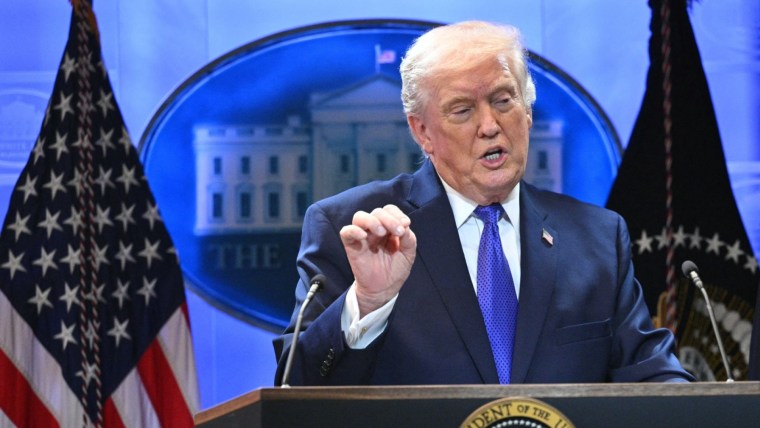
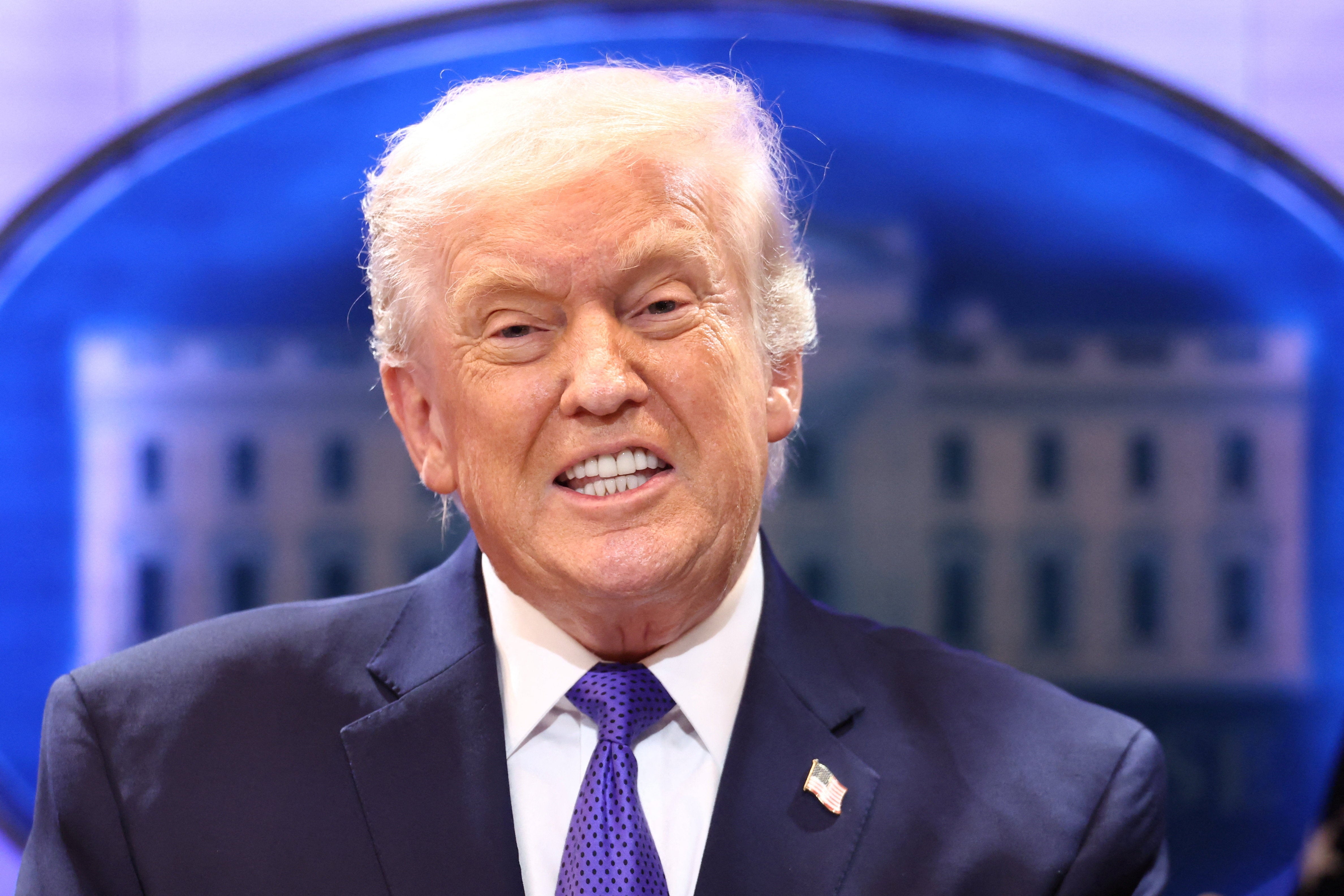 Trump lashed out at the Supreme Court after it struck down his signature tariff policy on Friday (Reuters)
Reuters
Trump lashed out at the Supreme Court after it struck down his signature tariff policy on Friday (Reuters)
Reuters
 What happens next after the Supreme Court slapped down Trump’s tariffs
wtop.com
What happens next after the Supreme Court slapped down Trump’s tariffs
wtop.com
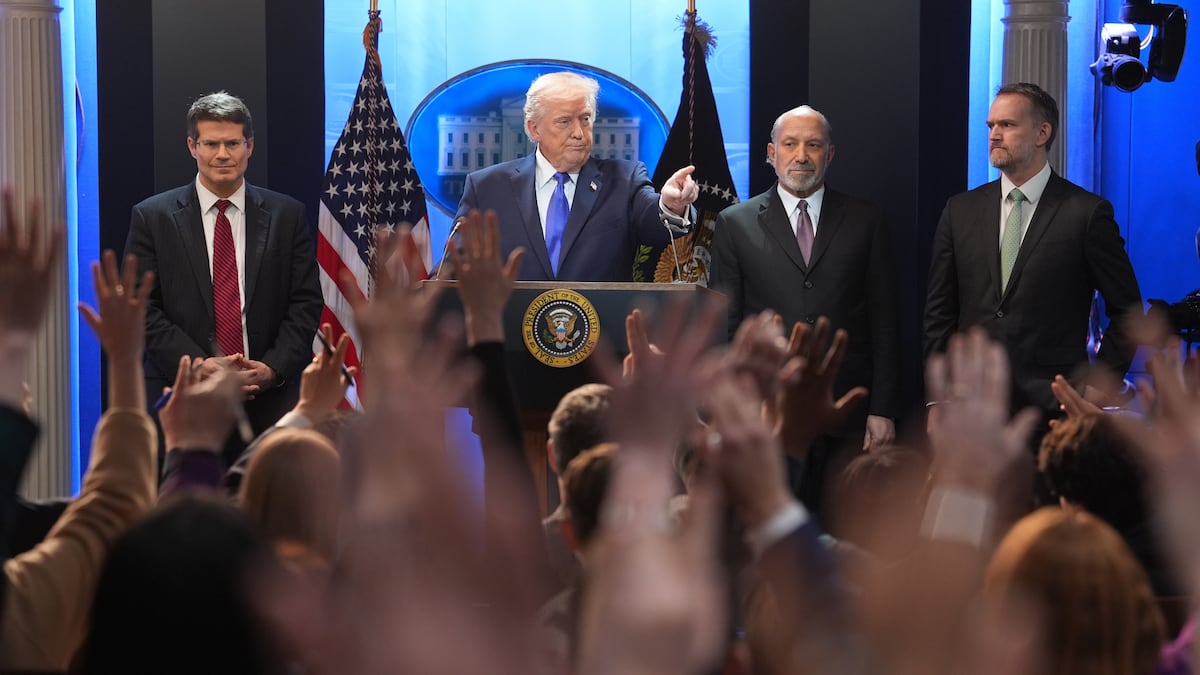 Trump announces 10% global tariff to circumvent Supreme Court ruling overturning his trade policy
english.elpais.com
Trump announces 10% global tariff to circumvent Supreme Court ruling overturning his trade policy
english.elpais.com
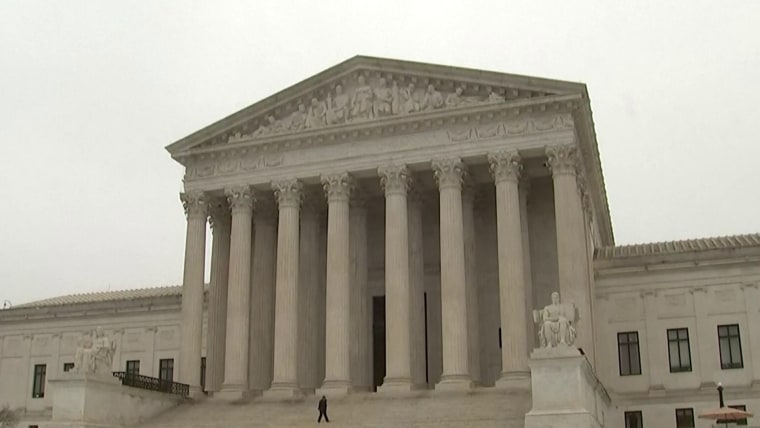
The US Supreme Court has struck down large parts of President Donald Trump’s tariff regime, ruling 6–3 that the International Emergency Economic Powers Act (IEEPA) cannot be used as a blank check to tax imports.
According to NBC News, Chief Justice John Roberts wrote for a majority that included Justices Neil Gorsuch and Amy Coney Barrett alongside the Court’s three liberals. Roberts framed the case as an attempt to convert a national-emergency statute into unilateral tariff authority of “unlimited amount, duration and scope.” The administration, he wrote, “points to no statute” where Congress clearly authorized tariffs through IEEPA, and the Court therefore held that “IEEPA does not authorize the president to impose tariffs.”
The ruling invalidates two major categories of Trump’s IEEPA-based duties: his sweeping country-by-country “reciprocal” tariffs—ranging from 34% on China to a 10% baseline on most other countries—and a 25% tariff on certain goods from Canada, China, and Mexico justified as leverage over fentanyl flows, NBC reports.
Notably, the decision leaves intact tariffs imposed under other statutes, including Trump’s steel and aluminum duties, which rely on different delegations of authority. Business Insider notes that the administration has preferred IEEPA because it is comparatively flexible: other tariff tools typically contain caps, expiration dates, procedural triggers, and are harder to aim at specific countries rather than industries.
The Court did not end presidential tariff-making; it merely told the White House it must use the proper congressional carve-outs rather than discovering a new taxing power inside a 1977 emergency law.
The case is also a rare judicial rebuke to a second-term Trump administration from a Court with a 6–3 conservative majority. The dissenters—Justices Clarence Thomas, Brett Kavanaugh, and Samuel Alito—warned about fallout rather than defending IEEPA as a tariff statute. NBC reports Kavanaugh highlighted the practical problem the majority declined to resolve: whether and how importers will be refunded “the billions of dollars” already collected.
That question is now the next political fight disguised as administrative procedure. A group of small businesses opposing the tariffs demanded a “full, fast and automatic” refund process, arguing that waiting for years of litigation would be ruinous, NBC reports.
The Constitution assigns tariff-setting to Congress, but modern presidents have treated import taxes as a substitute legislature: quick, discretionary, and conveniently insulated from votes. The Court’s opinion draws a distinction between “regulating” commerce during an “unusual and extraordinary threat” and imposing taxes.
Whether Congress reasserts itself—or simply hands the president a new, more explicit lever—will determine if this was a meaningful limit on executive government, or just a drafting note for the next emergency.