
Global Counsel collapses into administration after clients flee Epstein-linked Mandelson fallout
PR industry sells access until proximity becomes toxic
Images
 The advisory firm co-founded by Peter Mandelson has collapsed into administration amid the fallout from the scandal surrounding his ties to Jeffrey Epstein (PA)
independent.co.uk
The advisory firm co-founded by Peter Mandelson has collapsed into administration amid the fallout from the scandal surrounding his ties to Jeffrey Epstein (PA)
independent.co.uk
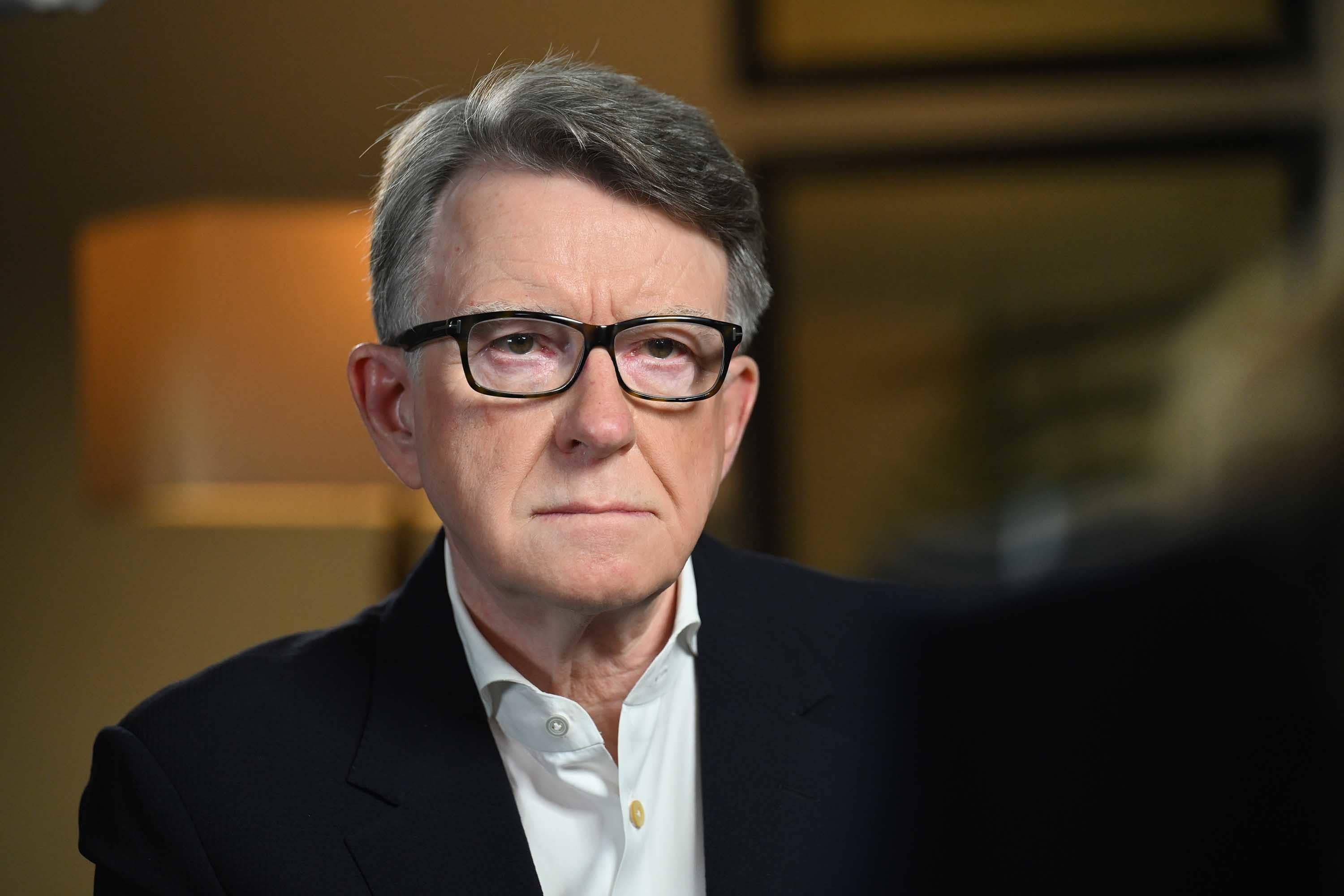 Documents appeared to show the peer leaking government information to Epstein (Jeff Overs/BBC/PA) (PA Media)
PA Media
Documents appeared to show the peer leaking government information to Epstein (Jeff Overs/BBC/PA) (PA Media)
PA Media
 standard.co.uk
 standard.co.uk
Global Counsel, the London public-affairs and “strategic advisory” shop co-founded by veteran Labour operator Peter Mandelson, has collapsed into administration after clients fled in the wake of fresh revelations linking Mandelson to Jeffrey Epstein.
According to The Independent, the firm said on Friday it had stopped trading, with UK staff being made redundant, after what administrators described as a “rapid and sudden loss of clients” that left directors with no viable alternative. The Evening Standard reports the bulk of the firm’s roughly 80 UK employees have been laid off, and that Interpath has been appointed as administrator while it reviews options and assets.
The proximate cause is not a failed campaign or a bad quarter. It is reputational contagion—an industry hazard for businesses that sell proximity to power as a product.
Both outlets tie the collapse to the latest tranche of US “Epstein files”, which reportedly included 2009-era documents suggesting Mandelson, then the UK business secretary, shared potentially sensitive or market-moving information with Epstein on multiple occasions. The Independent notes police have searched two homes linked to Mandelson as part of an investigation into alleged misconduct in public office, though no arrests have been announced.
Global Counsel attempted to firewall itself from its co-founder. The firm said earlier this month that Mandelson no longer held a stake or influence and that it had reached an agreement to divest his shares, while also announcing the departure of chief executive Benjamin Wegg-Prosser, Mandelson’s co-founder. That corporate hygiene did not satisfy risk departments.
The Evening Standard names Barclays, Tesco and Klarna among companies reported to have ended contracts, with Vodafone placing its relationship under review. When the commodity being purchased is access, the buyer can’t plausibly claim ignorance about the seller’s social graph—and compliance teams tend to treat “we didn’t know” as a billable-hours problem.
Global Counsel’s client list underscores the model’s contradiction. The firm has worked for Palantir, GSK, Vodafone, OpenAI, TikTok and the English Premier League, according to both reports. These are organisations that publicly celebrate “trust and safety” while privately hiring intermediaries to navigate the state’s informal levers: regulators, ministries, procurement offices and political staff.
Modern regulation is not just written in statutes. It is also enforced through procurement decisions, “stakeholder” pressure, and brand-risk triage—an ecosystem where a lobbying firm can be solvent on Thursday and unbankable on Friday.
Mandelson’s alleged information-sharing with Epstein is now being litigated in the public sphere; Global Counsel’s liquidation is being litigated by the market. The verdict, at least for the firm’s employees, arrived first.