
Unsafe radon levels found at 16 UK prisons
MoJ probes 33 sites as legal action grows, state monopoly on incarceration meets basic ventilation failure
Images
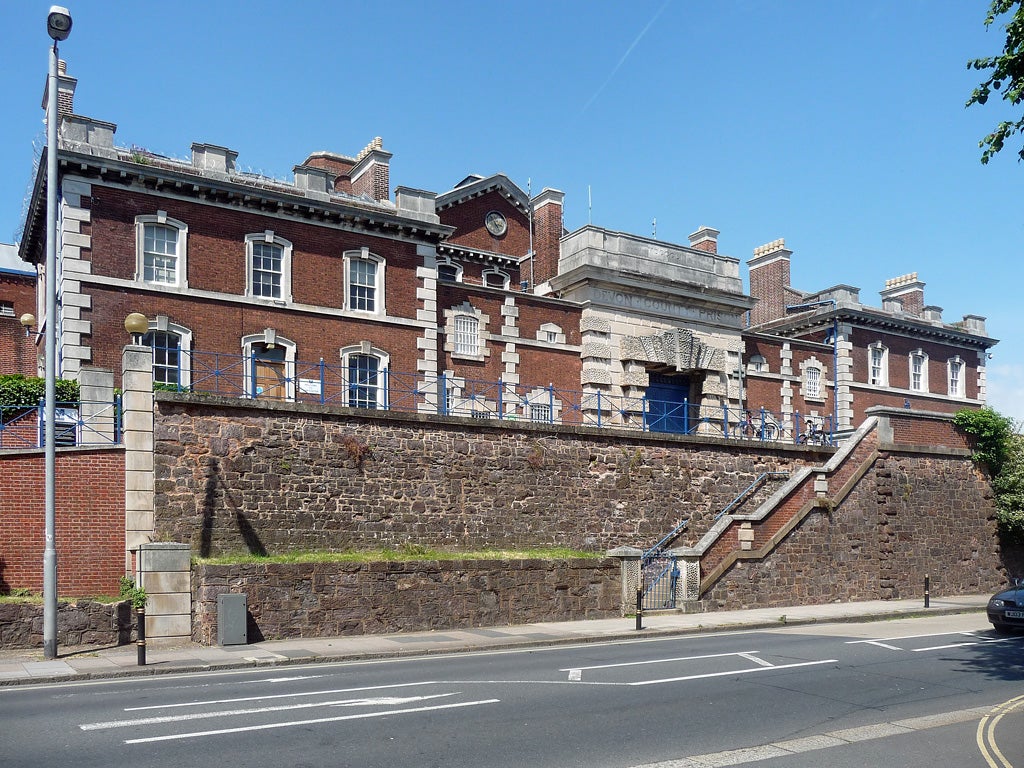 Parts of HMP Exeter have measured high levels of radon gas but the Ministry of Justice say that mitigation measures have been put in place (Stephen Richards/Geograph)
Stephen Richards/Geograph
Parts of HMP Exeter have measured high levels of radon gas but the Ministry of Justice say that mitigation measures have been put in place (Stephen Richards/Geograph)
Stephen Richards/Geograph
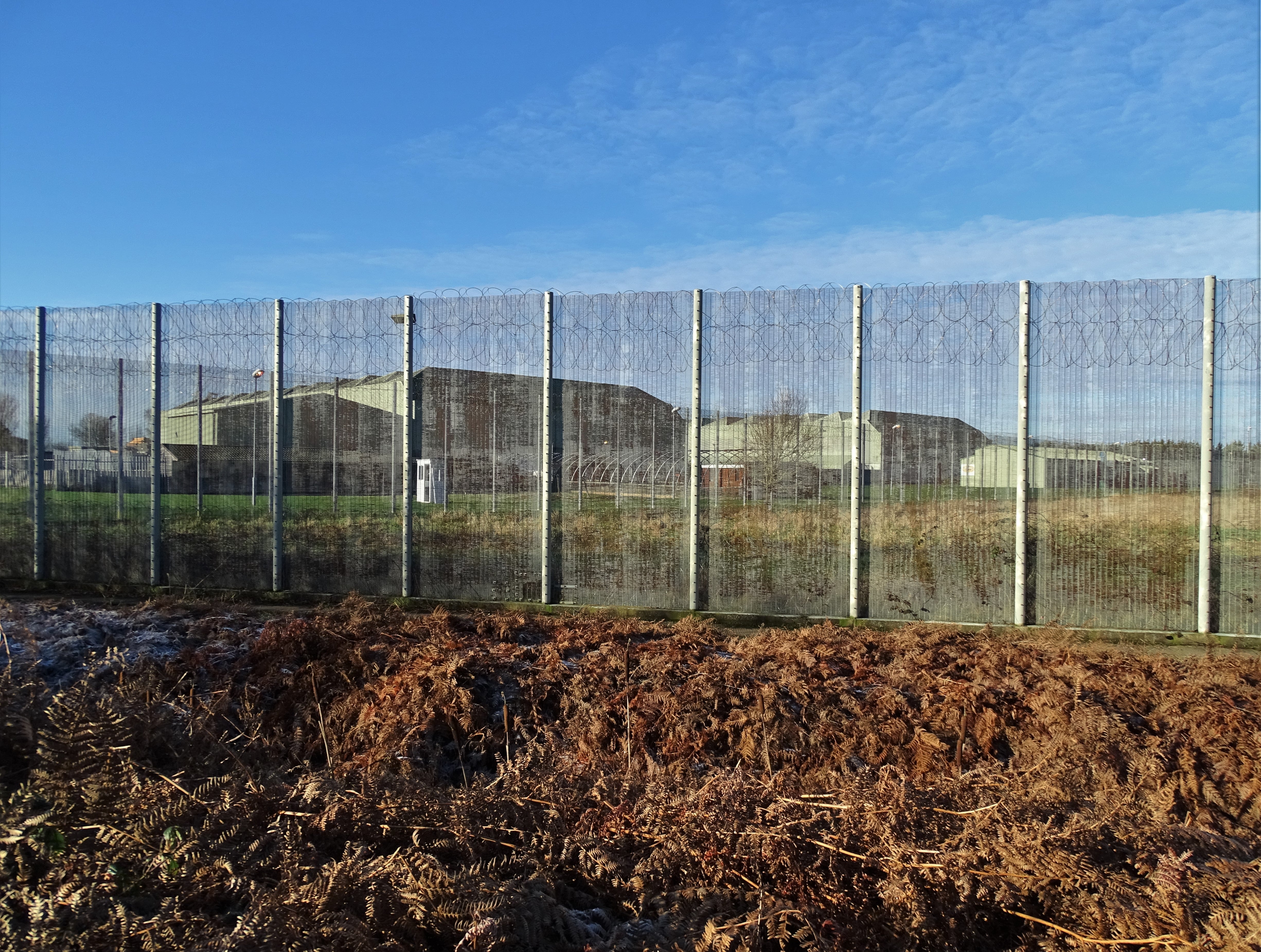 HMP Lindholme measured high levels of radon gas in 2020 and prisoners are now concerned about the health risks they may have been exposed to (Neil Theasby/Geograph)
Neil Theasby/Geograph
HMP Lindholme measured high levels of radon gas in 2020 and prisoners are now concerned about the health risks they may have been exposed to (Neil Theasby/Geograph)
Neil Theasby/Geograph
 Unsafe levels of cancer-causing radon gas detected at 16 UK prisons
independent.co.uk
Unsafe levels of cancer-causing radon gas detected at 16 UK prisons
independent.co.uk
Sixteen UK prisons have recorded radon concentrations above official “action levels,” and when the state runs prisons, it also inherits a basic duty of care.
According to The Independent, the Ministry of Justice (MoJ) has 33 sites under investigation after internal notes from the Prison Officers Association surfaced in early 2024. The list of prisons with unsafe readings includes Bedford, Channings Wood, Downview, East Sutton Park, Exeter, Hollesley Bay, Leicester, Lincoln, Lindholme, Parc, Portland, Stafford, The Verne, Usk and Wealstun. HMP Dartmoor, in Devon, was closed in 2024 after some areas reportedly measured radon up to ten times the recommended limit.
Radon is a colourless, odourless radioactive gas produced by the decay of uranium in rock and soil. In poorly ventilated buildings it accumulates, and long-term exposure increases lung-cancer risk. The UK Health Security Agency attributes more than 1,100 lung-cancer deaths per year to radon exposure.
For workplaces, mitigation is required above 300 becquerels per cubic metre (Bq/m³) averaged annually; for sleeping areas such as prison cells, guidance lowers the trigger to 200 Bq/m³. Yet FOI disclosures cited by the Times show HMP Exeter’s D wing recorded a seasonally adjusted 2,750 Bq/m³ in winter 2020—over nine times the workplace limit and far beyond the sleeping-area trigger.
A specialist report by CERAP UK in August 2022 recommended suspending “activities and occupancy” in affected areas, The Independent reports. Follow-up measurements in late 2024/early 2025 still found readings above 900 Bq/m³, including 1,235 Bq/m³ in one location. A May 2025 risk assessment reportedly recommended barring prisoners from areas above 300 Bq/m³.
Hundreds of former staff and prisoners have joined a group action against the MoJ over Dartmoor, and the same law firm says it has been contacted by 20–25 current prisoners at Exeter and a similar number at Lindholme.
The MoJ says it “actively mitigates” radon risks in line with health-and-safety rules. Radon mitigation is not a metaphysical problem: it’s ventilation, sub-floor depressurisation, sealing, monitoring, and—where the building is inherently unfit—closure.
The state monopolises incarceration, blocks exit, compels staff to work inside, and then treats industrial hygiene as an optional procurement cycle. If government wants to keep cages, it could at least keep them habitable.