
Portugal navy shadows Russian-flagged SPARTA IV off Nazaré
Ship sails outside traffic corridors over 3,000m depths, Subsea cable security turns private networks into state targets
Images
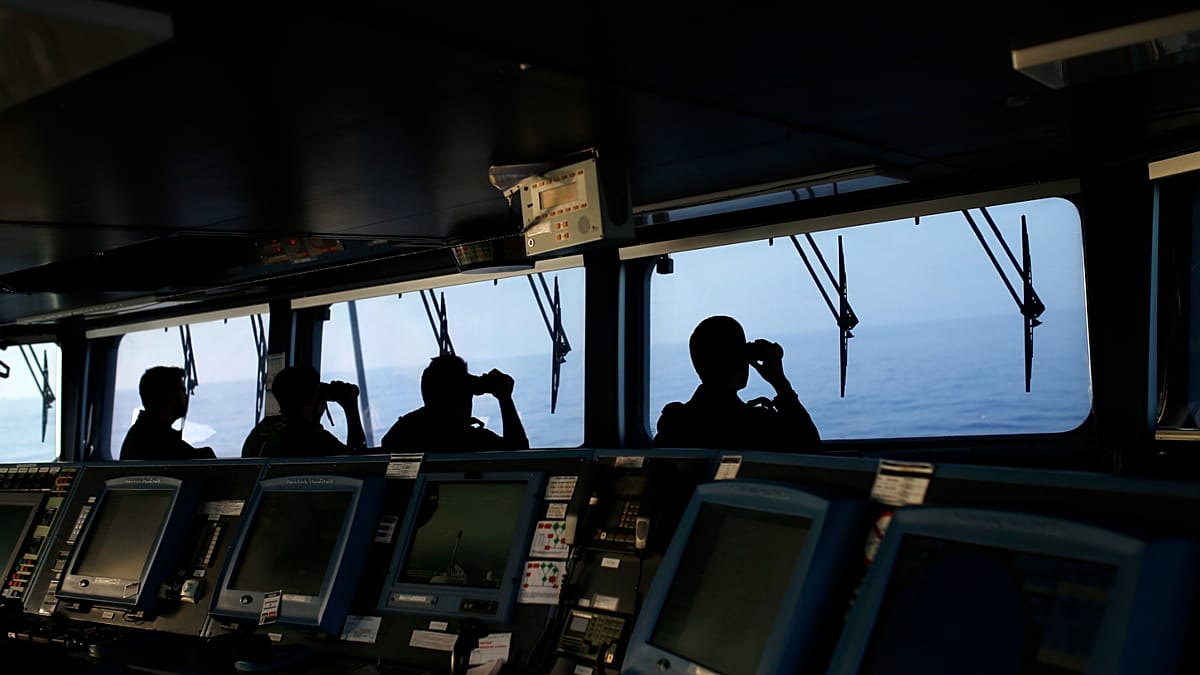 Portuguese navy monitors Russian ship over suspicious activity
euronews.com
Portuguese navy monitors Russian ship over suspicious activity
euronews.com
Portugal’s navy says it has been tracking a Russian-flagged “merchant” vessel, SPARTA IV, as it sailed north along the Portuguese coast outside normal maritime traffic corridors — the sort of route that is either meaningless… or very meaningful, depending on what you think is happening on the seabed.
According to Euronews, citing Portugal’s Lusa news agency and a navy source, SPARTA IV entered Portuguese waters on Sunday evening and was later observed off Nazaré, in waters deeper than 3,000 metres. The navy said it has monitored the ship “by a naval unit” and will continue until it leaves national waters. VesselFinder data cited by Euronews indicates the ship departed Baltiysk in Russia’s Kaliningrad exclave in late December.
Portugal’s public posture is careful: monitor, don’t accuse. Yet the same navy statement also notes SPARTA IV has transported war material in the past. That detail matters because Europe’s current underwater-infrastructure anxiety is not theoretical. Over the last two years, sabotage and “unexplained incidents” involving subsea power links, fiber-optic cables, and pipelines have turned the ocean floor into a contested space—without the inconvenience of declared hostilities.
The mechanics of this gray-zone game are modern. Commercial shipping provides plausible deniability; flags of convenience and murky ownership structures provide legal fog; and AIS transponders provide just enough data for everyone to argue about what they “knew” in real time. A ship can be “just transiting” while also mapping, loitering, or positioning near critical infrastructure. And because much of Europe’s connectivity is privately built and privately operated, states get to militarize civilian networks by implication: if your internet backbone is now a strategic target, congratulations—your telecom capex has become national security policy.
Portugal’s navy says it has monitored more than 100 Russian vessels passing through national waters in recent years, including a Russian “spy ship” tied to an organisation linked to Moscow’s defence ministry. In 2025 alone, it monitored 69 Russian ships in Portuguese waters and carried out 373 monitoring actions on vessels from Russia’s so-called “ghost fleet,” Euronews reports.
Governments perform vigilance while avoiding commitments, private operators absorb the security externalities, and everyone hopes deterrence can be improvised from apps like VesselFinder.
If a cable is cut, it will be described as an accident until the moment it becomes useful to describe it as an attack. Meanwhile, the ships keep sailing — outside the corridors, in deep water, where the infrastructure is quiet and the deniability is loud.