
Osaka receives 21kg gold-bar donation earmarked for water pipes
City faces 260km replacement backlog, private money funds maintenance politicians postpone
Images
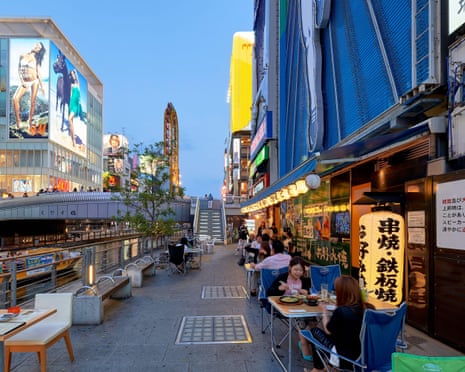 Dotonbori district in Osaka. The city needs to renew 160 miles of water pipes. Photograph: MB_Photo/Alamy
Alamy
Dotonbori district in Osaka. The city needs to renew 160 miles of water pipes. Photograph: MB_Photo/Alamy
Alamy
Osaka has received a donation that municipal finance departments rarely train for: 21 kilograms of gold bars, delivered by an anonymous benefactor with instructions attached.
The Guardian reports, citing the Associated Press, that the gold—valued at 560 million yen (about £2.7 million)—was given to the Osaka City Waterworks Bureau in November. The donor specified that it must be used to repair the city’s ageing water pipes. Mayor Hideyuki Yokoyama said the city would respect the conditions.
The numbers underline why a private windfall can only ever be a patch, not a plan. Osaka, Japan’s third-largest city with about 2.8 million residents, needs to renew roughly 160 miles (260 km) of water pipes, according to a waterworks official quoted by the Guardian. Replacing just 1.2 miles (about 2 km) of pipe can cost around 500 million yen—nearly the entire donation.
The city recorded 92 water-pipe leaks under roads in the fiscal year ending March 2025, the report says. Public anxiety about buried infrastructure has increased since a fatal sinkhole incident last year in Saitama, north of Tokyo, where a truck fell into a collapse linked to a damaged sewer.
Osaka’s situation is not exotic. Much of Japan’s infrastructure was built during the postwar growth surge, and Osaka’s urban buildout began earlier than many cities, meaning its pipes are ageing sooner, officials said. The predictable result is a steady leak rate, a growing replacement backlog, and the usual political temptation to treat maintenance as an optional subscription.
What makes this episode interesting is less the gold itself than the governance it exposes. When funding arrives through the normal channels, it comes bundled with the bureaucracy’s preferred script: committees, multi-year plans, and the comforting illusion that process equals progress. A private donor who earmarks funds for a specific, unglamorous task—pipes, not ribbons—forces the city to do something governments often resist: spend money on maintenance now, without the performative politics.
Of course, even “no-strings” charity comes with strings: the donor’s condition is a form of private prioritization. Some tend to prefer that to political prioritization, because at least the money is voluntary and the intent is explicit. But the larger irony remains: a modern metropolis is still one burst pipe away from discovering that its most valuable asset isn’t a smart-city dashboard—it’s the unsexy integrity of what’s underground.