
South Korea murder suspect reportedly uses ChatGPT to calibrate lethal sedative dosing
Police cite chat history as evidence of intent, Predictable pretext for AI log-keeping and platform liability over private speech
Images
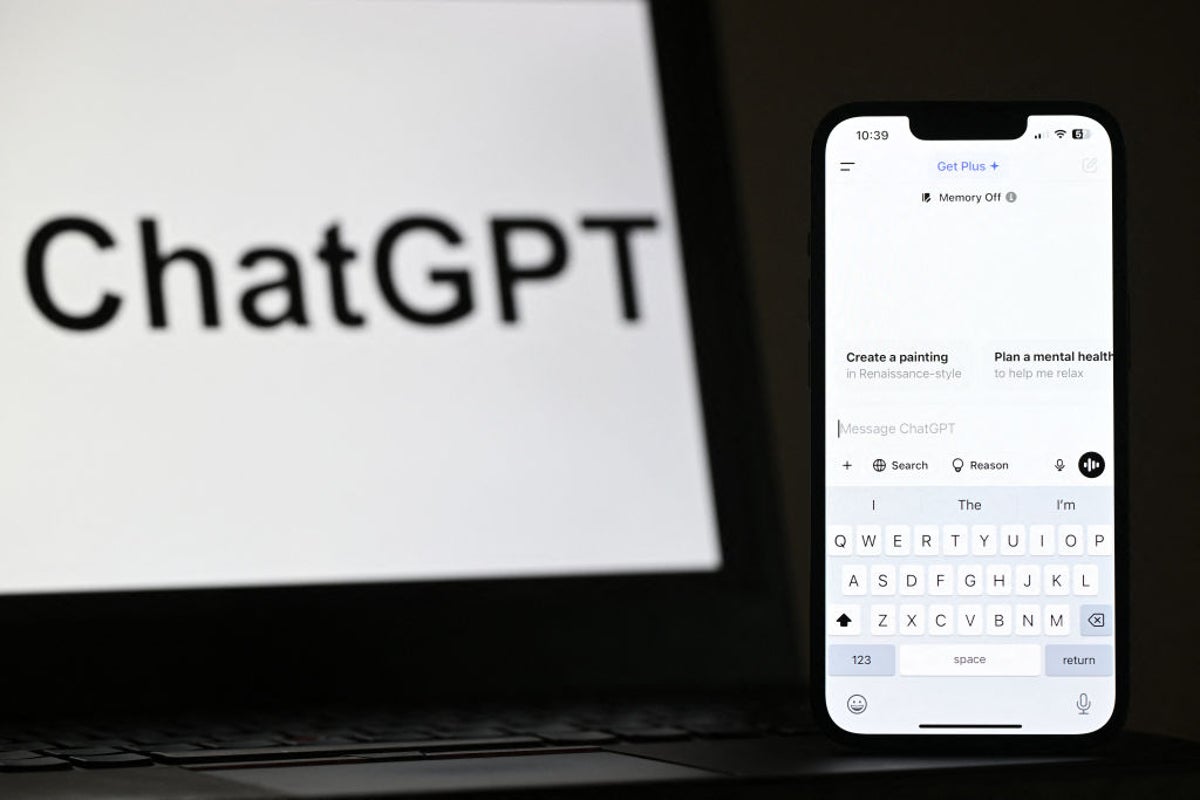 South Korea woman, 21, accused of using ChatGPT to plan double murders
independent.co.uk
South Korea woman, 21, accused of using ChatGPT to plan double murders
independent.co.uk
A 21-year-old South Korean woman, identified by police only as Kim, has been accused of killing two men in separate motel incidents after allegedly mixing prescription sedatives with alcohol — and asking ChatGPT what that combination would do.
According to The Independent, Seoul’s Gangbuk police arrested Kim on February 11 and initially booked her for “inflicting bodily injury resulting in death,” a lesser charge that fits the script of reckless intoxication rather than intent. Investigators then upgraded the charge to murder after analyzing her phone. Police say her browsing and chat history showed repeated queries to ChatGPT such as: “What happens if you take sleeping pills with alcohol?”, “How many do you need to take for it to be dangerous?”, and “Could it kill someone?” Police say she sought dose-and-effect information and therefore understood death was a plausible outcome.
Police say the first death occurred on January 28 in a motel in Suyu-dong, Gangbuk-gu, where Kim checked in with a man in his 20s and left alone about two hours later; the body was found the next day. A second man, also in his 20s, allegedly died on February 9 after they checked into a different motel in the same district. Authorities also allege a December attempt on her then-partner in Namyangju, Gyeonggi Province: he lost consciousness after a sedative-laced drink in a car park but later recovered.
This is not the “AI helped a criminal” trope. For decades, anyone with an internet connection could search “benzodiazepines alcohol respiratory depression” and find a spectrum from harm-reduction warnings to outright lethality discussions. The novelty is procedural and political: a conversational AI log is legible to investigators and easy to narrate in court and headlines. A search engine query is a needle in the haystack; a chat transcript is the haystack pre-highlighted.
That difference matters because it invites a regulatory pivot. If a defendant’s private prompts can be framed as the smoking gun of intent, lawmakers will be pressed to treat model interactions as records that must exist, be retained, and be attributable to a verified identity. Expect demands to reappear with an AI wrapper: mandatory logging, retention periods, “know your customer” identity checks for model access, and platform duties to detect and report “dangerous” queries.
A murder investigation is a strong emotional lever for turning ordinary private conversation into a regulated object — and for deputizing AI providers as compliance infrastructure. Whether that meaningfully stops the next crime is secondary; it certainly expands the surface area for surveillance, data collection, and liability-driven censorship. The tool did not commit the act, but it may help justify the next round of controls on everyone else’s questions.
Police said they are continuing to investigate whether Kim is linked to additional incidents and have conducted a psychopathy assessment and in-depth interviews to profile her, The Independent reports.