
Cuban government owes Spanish firms at least $320 million
Trapped dividends and blocked transfers turn commerce into hostage-taking
Images
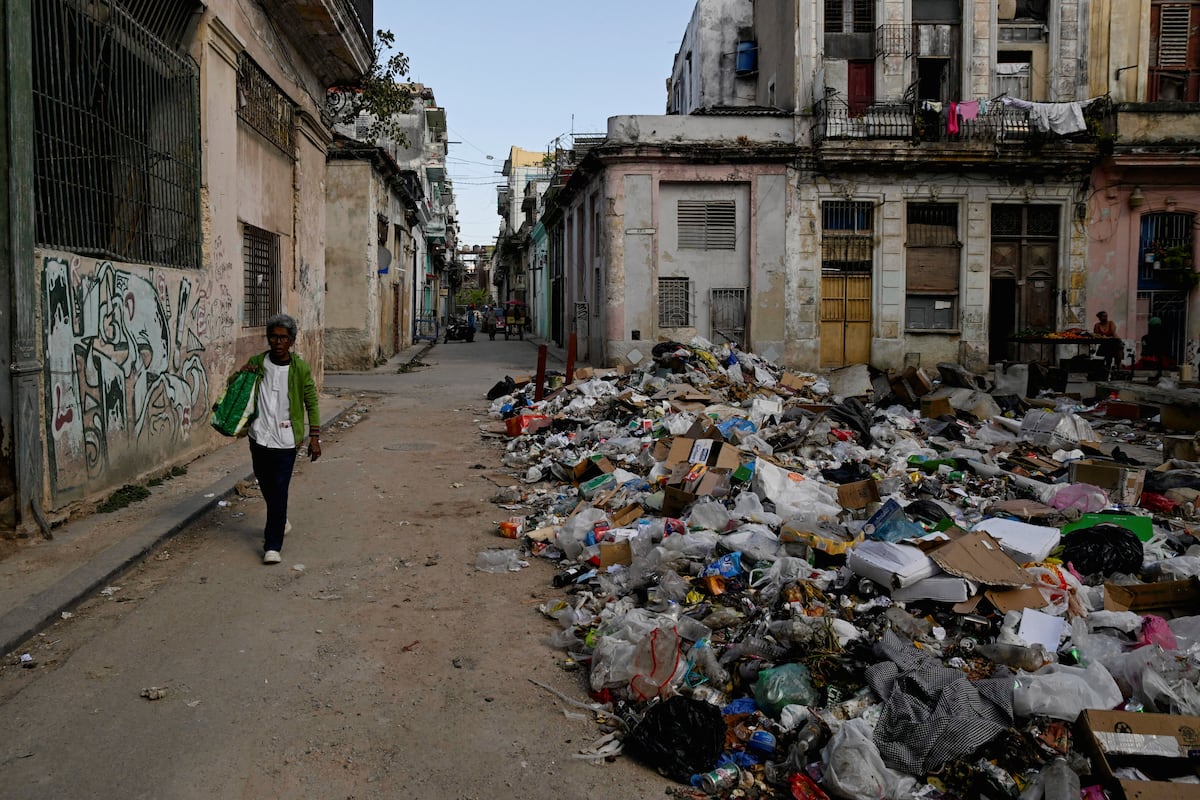 Cuban government’s debt to Spanish companies rises to at least $320 million
english.elpais.com
Cuban government’s debt to Spanish companies rises to at least $320 million
english.elpais.com
Cuban government’s debt to Spanish companies rises to at least $320 million
english.elpais.com
Cuban government’s debt to Spanish companies rises to at least $320 million
english.elpais.com
Cuba is once again offering foreigners a lesson in what “state partner” means in a one-party economy: you pay, you wait, and your money becomes a patriotic donation.
According to El País, Spanish companies operating in Cuba estimate the Cuban government owes them at least €300 million (about $324 million) in unpaid debts and trapped funds, with the true figure likely higher. The numbers come from a private-debt report prepared by Spain’s Economic and Commercial Office in Havana, based on a survey sent to 930 firms—of which only 182 responded. Business sources told El País the low response rate reflects fear and exhaustion: roughly 20% of the firms are reportedly already in insolvency proceedings because of non-payment.
The report distinguishes between headline “debt” and other forms of financial captivity. In addition to €255.9 million in unpaid obligations reported by respondents, El País says Spanish firms also face €39.5 million in retained dividends, €23.6 million in commercial-operation funds that cannot be repatriated, and €11.3 million parked in “Specific Goods Accounts” (Finesp) funded by debt payments from Cuban state companies—balances that also cannot be transferred abroad. In a normal country, these would be liabilities. In Cuba, they are a policy tool.
The timing is not accidental. Cuba’s economy has been battered by fuel shortages and a collapse in tourism; El País links the crisis to tightened US restrictions that have constrained crude oil supplies from Venezuela or Mexico. The predictable result is that Havana is short on hard currency and long on improvisation.
One proposed “solution” is classic for countries that treat contracts as optional: convert the debt into state-approved projects. A business platform within Catalan employers’ association Foment del Treball told El País it wants Spain’s debt-conversion programs—such as a July agreement in Seville aiming to mobilize up to €375 million for energy, water and food security—to be used to offset arrears owed to Spanish suppliers, many of whom provide food and pharmaceuticals.
While creditors are being asked to accept development-themed IOUs, the regime is also trying to offload other costs abroad. The Miami Herald reports Cuba has resumed accepting deportees from the United States who have criminal records, amid pressure from the US administration. That is, Havana is willing to take back people Washington doesn’t want—while continuing to trap the cash Washington’s allies do want.
Cuba is externalizing liabilities (unpaid bills, social risk, migration friction) while internalizing control (foreign exchange, licensing, and the only “market” that matters—the one run by the state). Investors get the downside; the regime keeps the switchboard.
The island is offering a clear prospectus: your capital is welcome, your profits are negotiable, and your exit is subject to approval by the same apparatus that created the crisis in the first place.