
Two-month-old deported from Dilley family detention center
DHS says medically cleared and mother chose removal, Immigration enforcement runs on throughput while liability stays optional
Images
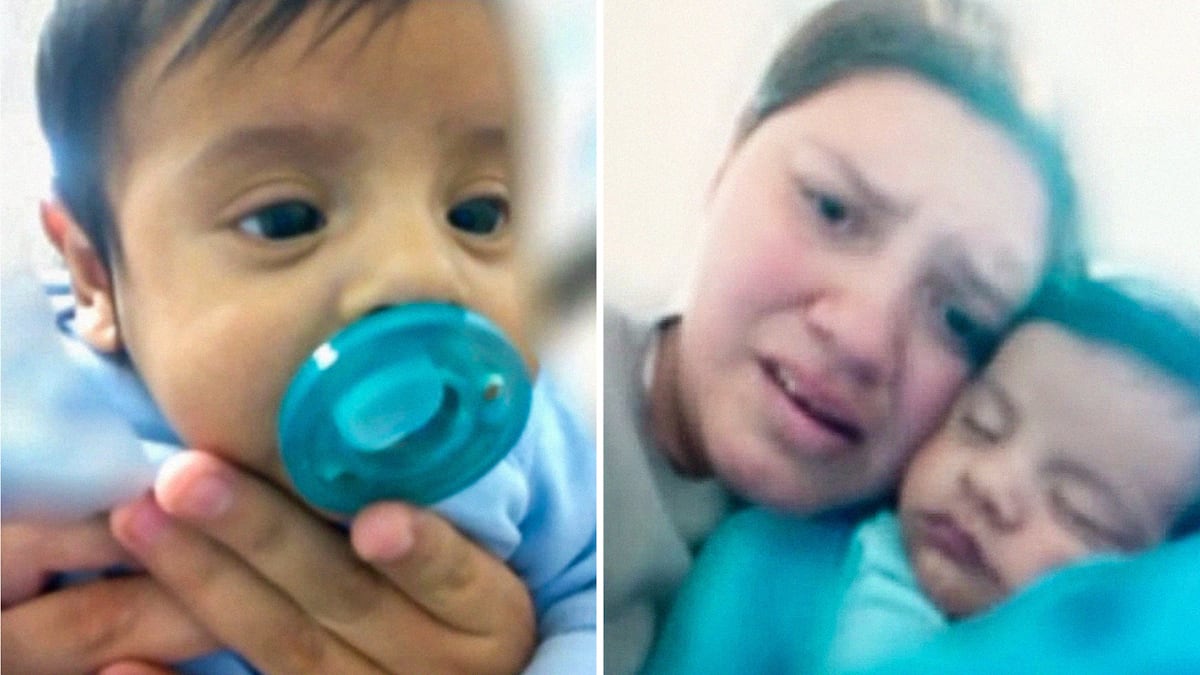 Juan Nicolás: Deportation of a two-month-old baby is the latest scandal at Dilley detention center
english.elpais.com
Juan Nicolás: Deportation of a two-month-old baby is the latest scandal at Dilley detention center
english.elpais.com
A two‑month‑old baby deported out of the Dilley Family Detention Center in South Texas is the kind of story immigration agencies insist is “an isolated incident” — which is precisely why it keeps happening.
According to El País, Juan Nicolás, his mother Mireya López Sánchez, his father, and a 16‑month‑old sibling were expelled to Mexico after the family was held at Dilley. Democratic Rep. Joaquín Castro said the infant had been ill and inadequately treated in detention, describing the child as unresponsive at points and then “discharged” anyway. Castro and Univision reported the mother and baby were left across the border with $190; the family later obtained medical care in Mexico, where López Sánchez said the diagnosis was acute bronchiolitis plus reflux.
The Department of Homeland Security offered a different account: the mother “chose” to take her child into custody, “chose” illegal entry, and “chose” not to accept $2,600 and a free flight home, per a DHS social media statement cited by El País. DHS spokeswoman Tricia McLaughlin told The Hill the child was “medically cleared for removal,” and that clinicians provided a saline spray and bulb syringe — a remarkably minimalist discharge plan for an infant allegedly struggling to breathe.
The telling detail is not whether a particular nurse charted the right vitals; it’s the incentive structure. Family detention has become a throughput business. The state’s objective function is removals per unit time, while due process and medical judgment are treated as optional add‑ons unless litigation or media attention forces a pause. Error correction, when it exists, happens after the fact — on the far side of the border.
This is where the system’s legal architecture meets its logistics. A judge issued a final deportation order on February 18, DHS said. Once the order exists, the machinery optimizes for execution. If the detainee is an adult, the human cost is politically abstract. When the detainee is a newborn, the abstraction fails — briefly.
El País reports López Sánchez alleged a doctor threatened to withdraw her son’s medical care if she continued speaking publicly. If true, that is not merely cruelty; it is a rational tactic inside a bureaucracy where reputational risk is the scarce resource. The state can be wrong at scale, but it cannot be embarrassed at scale.
The predictable response will be more “oversight,” more paperwork, and more funding — not the one reform that would change behavior: clear liability for agencies and contractors when they deport the medically fragile into danger. In government, failure rarely produces “stop”; it produces “appropriate more.”