
US–Saudi package drifts toward Saudi uranium enrichment
123-style nonproliferation becomes negotiable add-on, rules-based order sold as arms-and-centrifuge bundle
Images
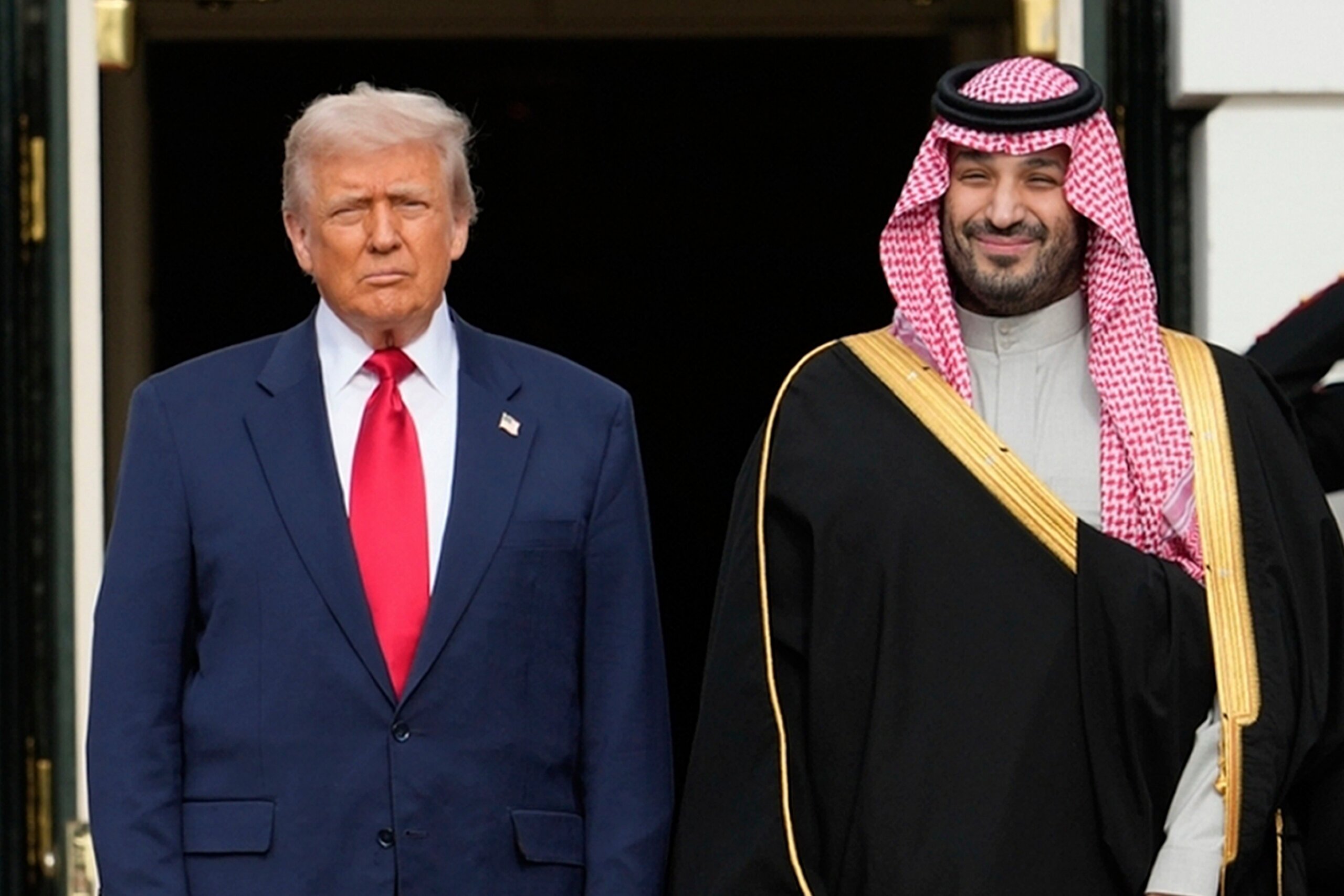 Saudi Arabia may have uranium enrichment under proposed deal with US, arms control experts warn - WTOP News
wtop.com
Saudi Arabia may have uranium enrichment under proposed deal with US, arms control experts warn - WTOP News
wtop.com
 Donald Trump says he has signed order imposing 10% global tariffs - US politics live
theguardian.com
Donald Trump says he has signed order imposing 10% global tariffs - US politics live
theguardian.com
A proposed U.S.–Saudi package is reportedly drifting toward the one outcome the global non‑proliferation bureaucracy was built to prevent: legitimizing uranium enrichment in a politically volatile region, under an American security umbrella.
WTOP reports that arms-control experts are warning the draft deal could allow Saudi Arabia to enrich uranium on its soil as part of a broader arrangement that includes U.S. security commitments and arms sales. The exact contours remain contested, but the direction is familiar: Washington markets “rules-based order” as a premium subscription—payable in basing access, diplomatic alignment, and procurement contracts—while quietly relaxing the rules when the customer is strategically useful.
The technical issue is not subtle. Civilian enrichment capability is inherently dual‑use. The same centrifuge cascades that produce low‑enriched uranium for power reactors can, if reconfigured and run longer, produce highly enriched uranium suitable for weapons. The difference is not a moral one; it’s a matter of enrichment level, feedstock, and time. That is why U.S. “123 agreements” under the Atomic Energy Act have, in some cases, demanded a so‑called “gold standard” renunciation of enrichment and reprocessing.
Saudi officials have long argued they should not be treated as a permanent technological ward of the West, especially while Iran maintains an advanced nuclear program. The predictable result is that enrichment becomes a bargaining chip: either the U.S. provides a controlled pathway, or the kingdom shops elsewhere. The non‑proliferation regime—built on the premise that restraint is universal—meets the real world, where restraint is negotiated.
What makes this moment more than another diplomatic rumor is the incentive structure it signals. If enrichment can be bundled into a geopolitical “deal,” then every regional power learns that nuclear latency is an asset to be financed, not a taboo to be avoided. The U.S. can call it oversight, safeguards, and verification. Rivals can call it precedent.
Washington’s pitch typically combines two claims that do not coexist well: that proliferation risk is existential, and that the same risk can be managed through paperwork if the right flags are on the aircraft tailfins. If enrichment is normalized for Saudi Arabia, the region’s next crisis will not start in a lab—it will start in a negotiating room, where the price of “stability” is measured in centrifuges.
For Americans, the takeaway is less about Riyadh’s intentions than about Washington’s habits. A government that cannot pass an audit at home still believes it can micromanage nuclear incentives abroad—so long as the procurement pipeline stays warm and the president can announce a “historic deal.”