
György Kurtág turns 100
Budapest stages centenary with Kurtág Fragments documentary, cultural institutions celebrate an artist who never optimised for accessibility
Images
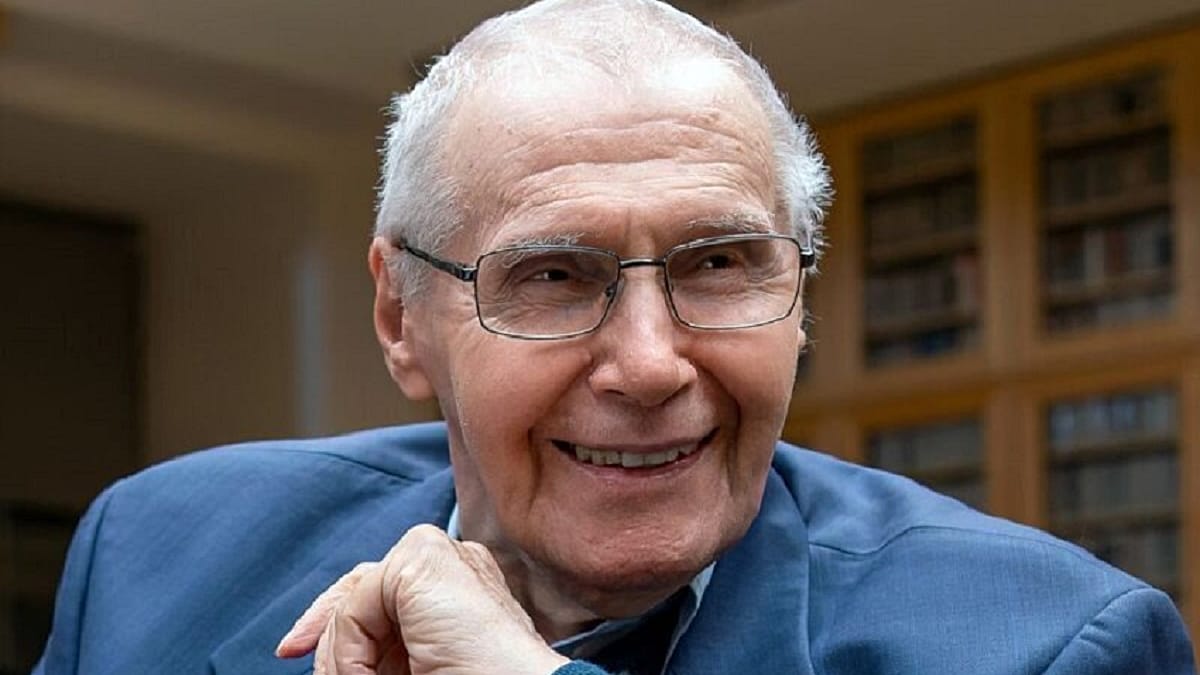 Centenary celebrations for legendary Hungarian composer György Kurtág
euronews.com
Centenary celebrations for legendary Hungarian composer György Kurtág
euronews.com
Hungarian composer György Kurtág has turned 100, and the celebrations in Budapest are underway—an anniversary tour for a man whose music has spent a lifetime refusing to become easy.
Euronews reports that events across Hungary are marking the centenary, led by Budapest and the Palace of Arts (MÜPA). Festivities began with the premiere of a documentary, Kurtág Fragments, directed by Dénes Nagy. The film reportedly follows Kurtág’s creative process in unflattering detail: doubt, grief, loneliness in old age, and the slow grind of composition. Nagy told Euronews the project took four years of filming and around 300 hours of raw footage to distill into a two-hour film—an editing ratio that sounds like Kurtág’s own compositional method.
Kurtág is an “inescapable figure” in contemporary classical music, but he is also an awkward mascot for a cultural sector that increasingly sells itself on accessibility, audience development, and content pipelines. His work is famously compressed—music that “says so much in so few voices,” as Icelandic pianist Víkingur Ólafsson put it. Ólafsson, described by The New York Times as “Iceland’s Glenn Gould,” told Euronews that listening to Kurtág requires retreating inward: “Go into the quiet space inside yourself and let go of everything.” This is not the rhetoric of a modern arts administrator pitching “engagement.”
The centenary programming leans into the personal mythology. Ólafsson described meeting Kurtág in 2022 and inviting him to Budapest to play the piano of his late wife, Márta, at the Budapest Music Centre—an encounter that also inspired Ólafsson and reinforced his sense of a strange affinity between Hungarian and Icelandic music.
German baritone Benjamin Appl, also quoted by Euronews, frames Kurtág as a rare contemporary who still treats art as a moral discipline rather than a public performance. He praises Kurtág’s inwardness and self-criticism in an era when “everyone wants to make a splash.” Appl also notes the technical perversity of Kurtág’s songs: singers may be required to shout, sing “badly,” or push extremes of register—choices that violate polite concert-hall expectations but, paradoxically, leave Appl feeling more flexible when he returns to Schubert and Schumann.
Kurtág’s continued presence is itself a rebuke to the cultural-industrial tendency to turn artists into brands and anniversaries into product launches. Yet the institutions are dutifully doing exactly that: festivals, premieres, quotes, and programming blocks. The only honest part may be that Kurtág, now living in the attic of the Budapest Music Centre, is still working—apparently uninterested in celebrating himself into retirement.