
US indicts three Silicon Valley engineers over alleged Google trade-secret theft to Iran
Processor security and cryptography files at center, National-security framing turns corporate IT into a border regime
Images
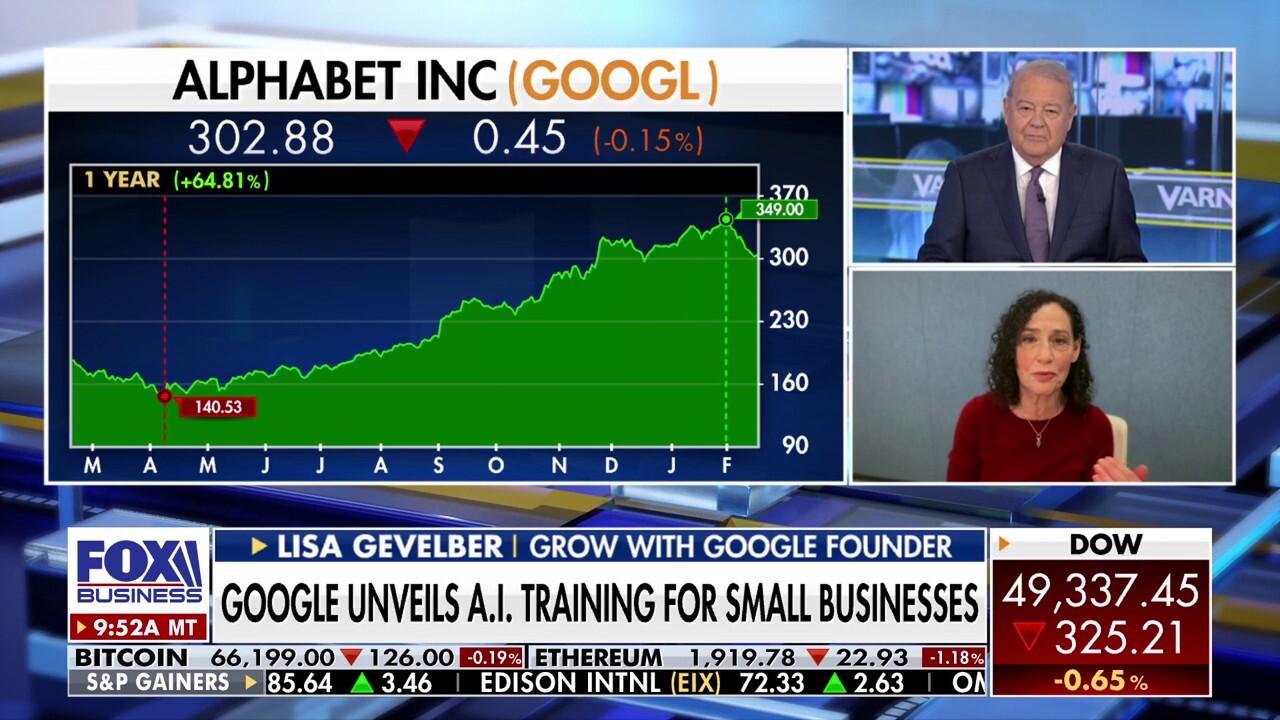 Grow with Google founder Lisa Gevelber discusses Google's new program to teach small businesses about AI usage and highlights examples of it's application on 'Varney & Co.'
foxbusiness.com
Grow with Google founder Lisa Gevelber discusses Google's new program to teach small businesses about AI usage and highlights examples of it's application on 'Varney & Co.'
foxbusiness.com
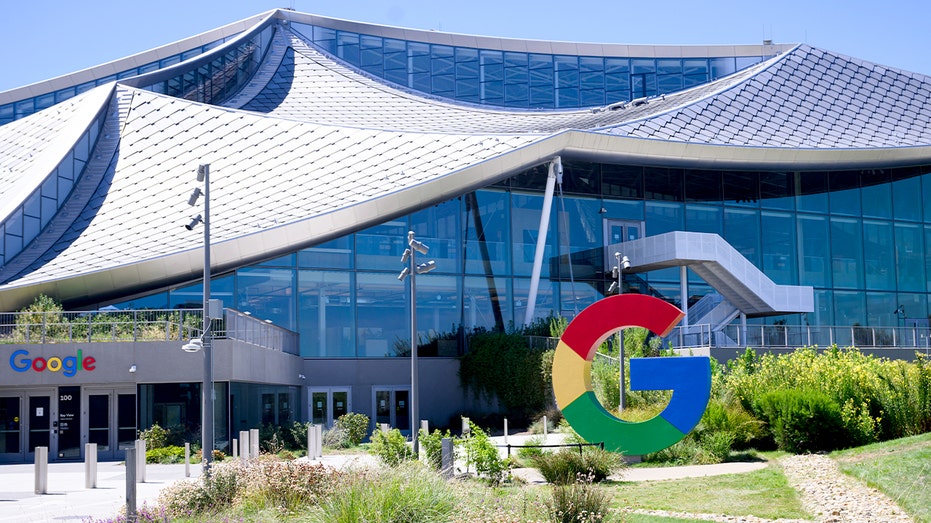 A large multicolored Google emblem towers above a landscaped courtyard at the company’s Bay View headquarters.
foxbusiness.com
A large multicolored Google emblem towers above a landscaped courtyard at the company’s Bay View headquarters.
foxbusiness.com
 Google in California
foxbusiness.com
Google in California
foxbusiness.com
 foxbusiness.com
Three Silicon Valley engineers have been indicted in the Northern District of California for allegedly stealing trade secrets from Google and other U.S. technology firms and transferring the material to unauthorized locations “including to Iran,” according to Fox Business, citing the U.S. Department of Justice.
Prosecutors say Samaneh Ghandali, 41, Soroor Ghandali, 32, and Mohammadjavad “Mohammad” Khosravi, 40—based in San Jose—used roles at multiple semiconductor-oriented employers to access and exfiltrate confidential documents. The indictment describes trade secrets related to “processor security and cryptography and other technologies,” i.e., the unglamorous plumbing that determines whether modern mobile compute is resilient or trivially compromised.
Prosecutors allege the defendants moved files from corporate systems to third‑party platforms and personal storage; cross-pollinated documents onto devices associated with each other’s employers; then, when the net tightens, attempted to bury the trail. DOJ alleges obstruction via “false, signed affidavits” to victim companies, destruction of exfiltrated files, and concealment of exfiltration methods.
Google says it detected the activity through “routine security monitoring” and referred the matter to law enforcement after an internal investigation, spokesperson José Castañeda told Fox Business.
The case will be marketed as a clean morality play—American innovation versus hostile states. But it also reads like a memo from reality: in 2026, “national security” is not just about missiles; it’s about who controls the microarchitectural assumptions inside the chips that run everything from phones to drones. The moment processor security and cryptography become geopolitical artifacts, corporate IT stops being an internal risk-management problem and becomes a contested border.
That border is policed by a rapidly expanding stack of export controls, background checks, data-loss-prevention tooling, and compliance consultants—none of which produce a single new transistor or algorithm. The DOJ’s press lines about “protecting American innovation” sit awkwardly beside the fact that the same state apparatus often makes cross-border hiring, collaboration, and publication feel like a regulated privilege rather than a default.
If the allegations hold, the defendants exploited employer trust and violated property rights in information—classic theft, not “sharing.” Once governments frame ordinary engineering as strategic contraband, every firm is pushed toward internal surveillance, every employee becomes a potential counterintelligence case file, and the compliance industry grows faster than the innovation machine it claims to defend.