
China AI chatbots censor politically sensitive topics
Study finds state-aligned models hallucinate and rewrite history, AI safety becomes a euphemism for content control
Images
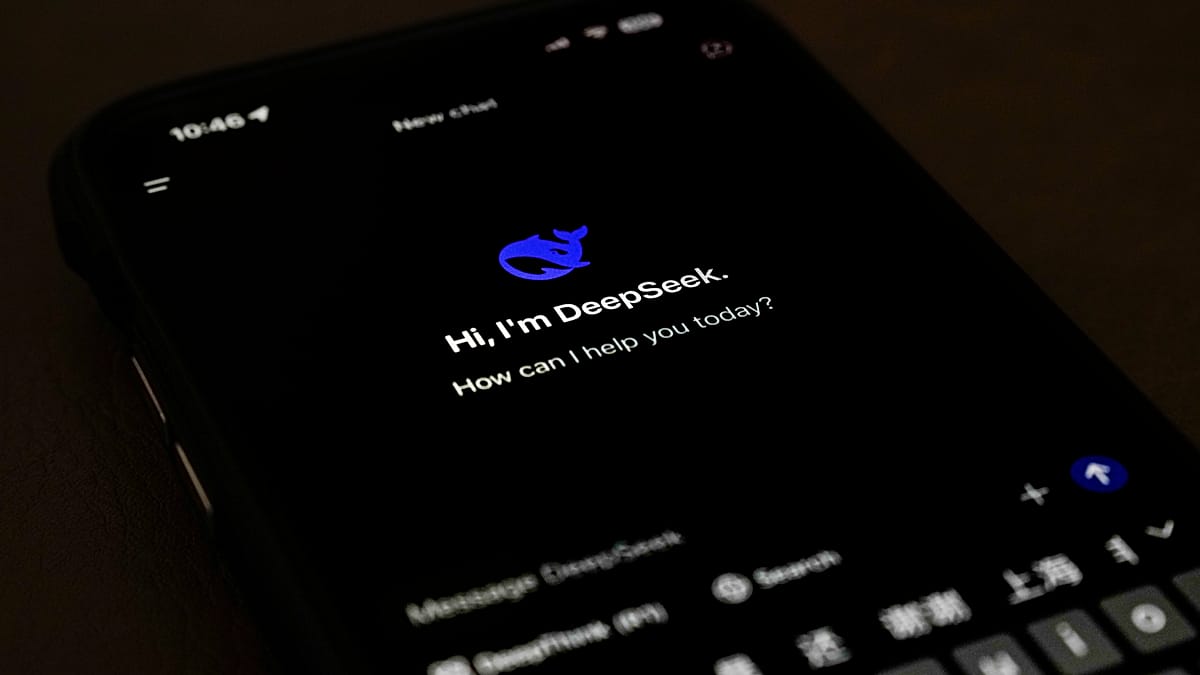 China’s AI chatbots censor politically sensitive questions, study
euronews.com
China’s AI chatbots censor politically sensitive questions, study
euronews.com
Chinese consumer-facing AI chatbots are not merely refusing to answer politically sensitive questions; they are actively generating misleading narratives, selective omissions, and outright hallucinations when prompted on taboo subjects, according to a study cited by Euronews.
The researchers tested multiple China-based chatbots on topics that routinely trigger official sensitivity—Tiananmen Square, Xinjiang, Taiwan, the Communist Party’s legitimacy, and criticism of top leaders. The pattern, Euronews reports, was consistent: some systems stonewalled; others complied by producing polished but distorted explanations that tracked state messaging. In the most revealing cases, the models did not simply “decline”—they substituted alternative storylines, reframed events as foreign disinformation, or delivered confident but false factual claims.
The global debate over “AI safety” is increasingly dominated by large institutions that treat output control as a first-order virtue. China provides a clear example of what happens when safety is defined by political risk management rather than user autonomy or epistemic accuracy. A system optimized to avoid offending regulators will predictably trade truth for compliance—especially when the cost of being wrong is borne by the user, not the model developer.
Euronews notes that Chinese rules already require providers to ensure generated content reflects “core socialist values” and to prevent the spread of “harmful information.” That means the model’s job is not to answer questions but to preempt them, redirect them, or launder official narratives through the soothing cadence of a helpful assistant. The result is a propaganda surface that scales: the chatbot can personalize the same party line to millions of users, on demand.
This also exposes a technical sleight of hand. Western companies often pitch guardrails as a way to reduce hallucinations and harmful outputs. The Chinese implementation flips the incentive: hallucination becomes a feature when it is politically useful. If a model can’t safely retrieve reality, it can always generate an alternative reality that passes compliance filters.
For markets outside China, the warning is less about Beijing’s censorship (which is not new) and more about the exportability of the governance model. If regulators elsewhere adopt the same vocabulary—“safety,” “responsible AI,” “misinformation prevention”—without hard constraints protecting open inquiry, the destination is obvious: AI that is domesticated first for institutions, and only incidentally useful for individuals.
The study’s bottom line is almost banal: when the state sets the definition of truth, machine learning will dutifully learn it. What’s novel is the interface—propaganda delivered as conversation, with a smile and citations that may or may not exist.