
Trump gives Iran 10–15 day ultimatum
White House weighs strikes without public case, deadline diplomacy turns war risk into taxpayer-funded leverage
Images
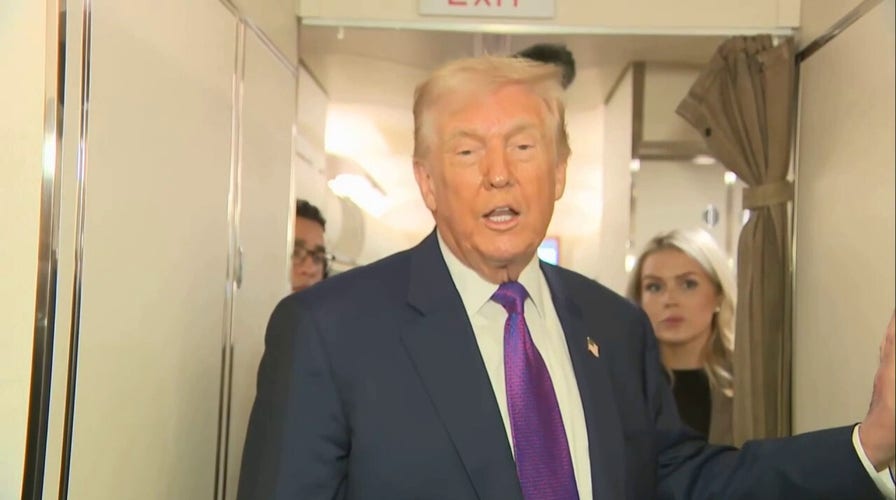 Trump says Iran has a maximum of 15 days to reach a deal
foxnews.com
Trump says Iran has a maximum of 15 days to reach a deal
foxnews.com
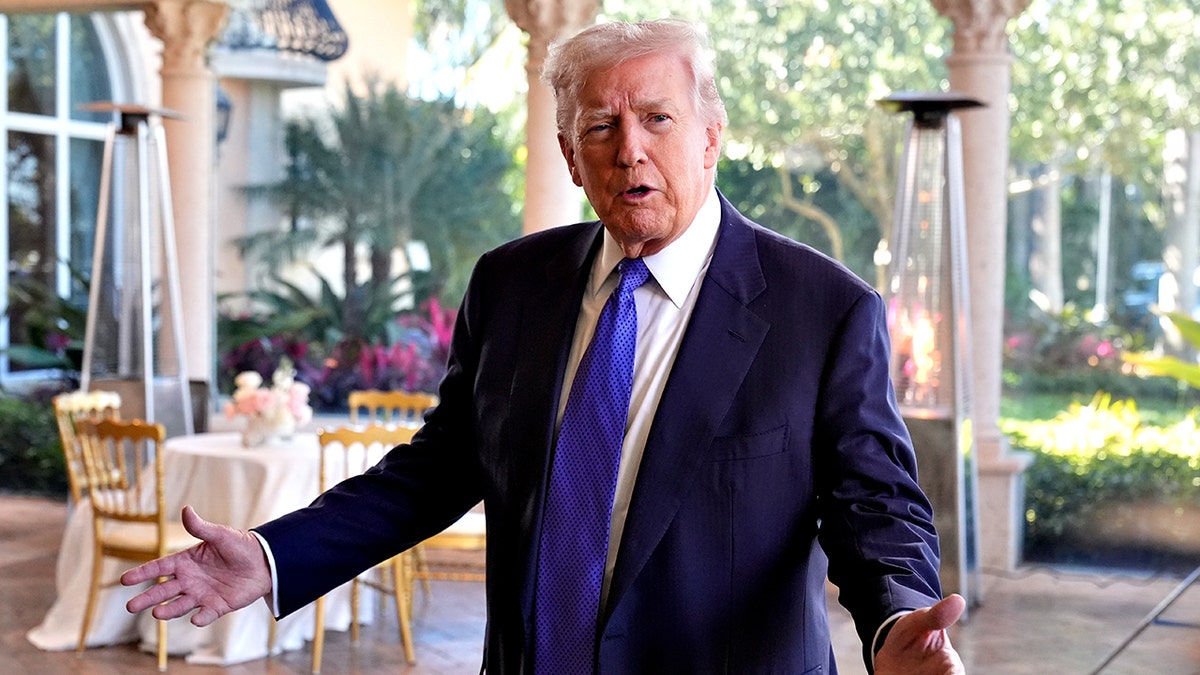 President Donald Trump speaking.
foxnews.com
President Donald Trump speaking.
foxnews.com
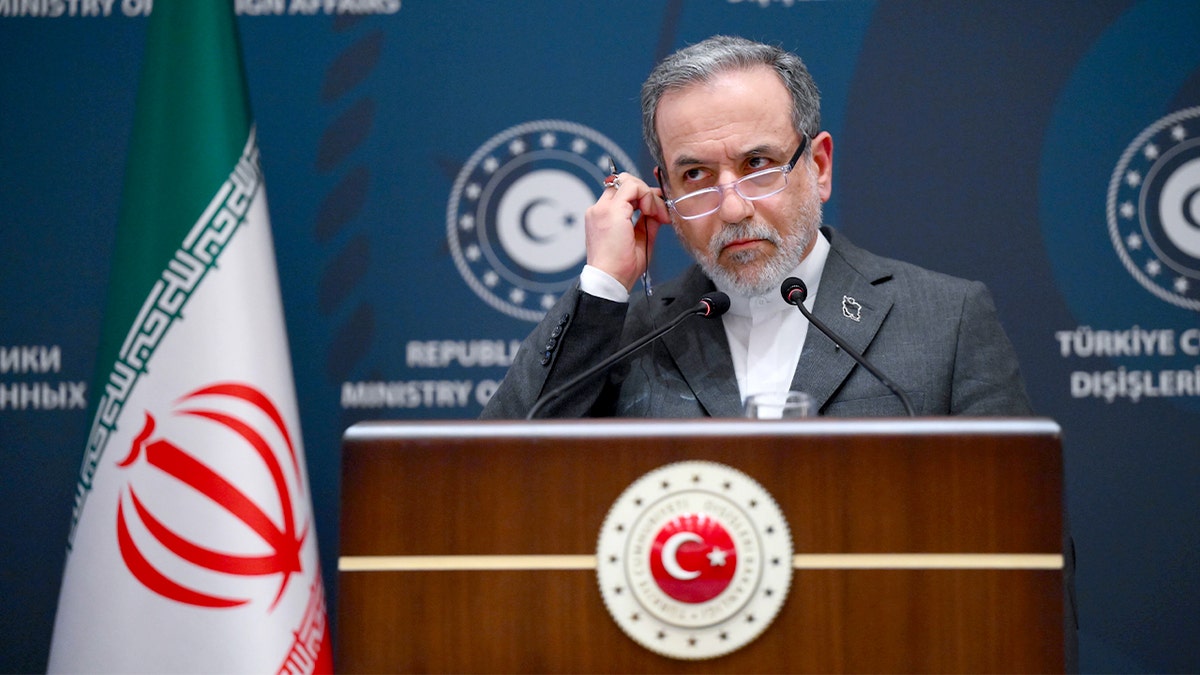 Iranian foreign minister speaks at a podium during a diplomatic press conference.
foxnews.com
Iranian foreign minister speaks at a podium during a diplomatic press conference.
foxnews.com
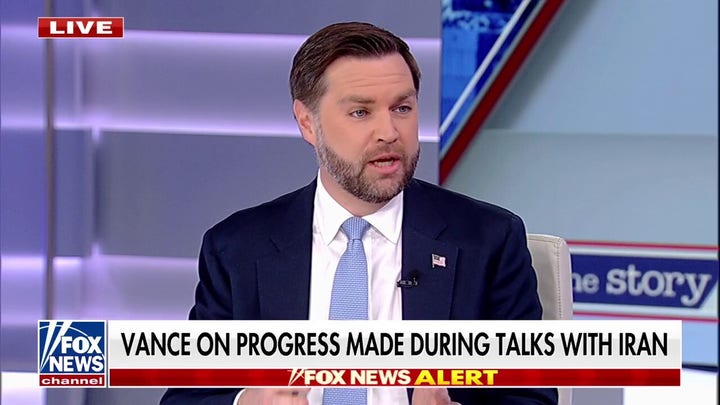 JD Vance says Trump administration has many 'tools' to make sure Iran doesn't get nuclear weapon
foxnews.com
JD Vance says Trump administration has many 'tools' to make sure Iran doesn't get nuclear weapon
foxnews.com
President Donald Trump is again running “deadline diplomacy” on Iran, but without the ritual preliminaries that once passed for a casus belli. According to The New York Times, Trump is weighing military strikes while declining to make a clear public case for why force is necessary, what the target set would be, or what “success” means beyond the vague promise that Iran’s nuclear trajectory will be reversed.
Fox News reports Trump told reporters Iran has “10, 15 days” to reach a deal or face an “unfortunate outcome,” framing coercion as inevitability: “We’re going to make a deal, or we’re going to get a deal one way or the other.” CBS aired similar remarks. The timeline is striking not only for its brevity but for its ambiguity: it is unclear whether Washington is demanding limits on enrichment, “full dismantlement,” or a broader package that includes Iran’s ballistic missile program, regional proxy ties, and even internal repression—maximalist demands that, by design, can be declared unmet.
The practical effect is to convert U.S. military power into a taxpayer-funded option contract on Middle East risk. A short deadline increases the probability of miscalculation, encourages pre-emption (by Iran, Israel, or U.S. commanders interpreting intent), and compresses verification and bargaining into a media cycle. It also blurs whether strikes would be punitive, preventive, or regime-change-adjacent—three different legal and strategic animals.
Meanwhile, the backdrop is all logistics and signaling. Fox notes a second U.S. carrier is moving toward the region and that surveillance flights and maritime deployments are intensifying around Iran’s coastline. The Hill reports Iran is conducting drills with Russia amid heightened tensions, while Tehran’s leadership issues its own warnings. When both sides advertise “talks” while physically repositioning assets, diplomacy becomes a thin veneer over force posture.
Trump’s approach dispenses with the elaborate narrative architecture of the Iraq era—no long UN choreography, no multi-month dossier campaign—yet still relies on the same core mechanism: executive discretion backed by forward-deployed hardware. If the aim is deterrence, the U.S. is paying for it in elevated escalation risk; if the aim is leverage, the price is turning the region’s shipping lanes, insurance markets, and civilians into collateral for a negotiation tactic.
The question isn’t whether Iran’s nuclear program is a problem. It’s whether “15 days” plus unspecified military action is a policy—or just a countdown clock looking for a headline.