
Austrian court convicts Großglockner climber of manslaughter
Girlfriend left exposed while he sought help, Criminal law reaches into private risk decisions
Images
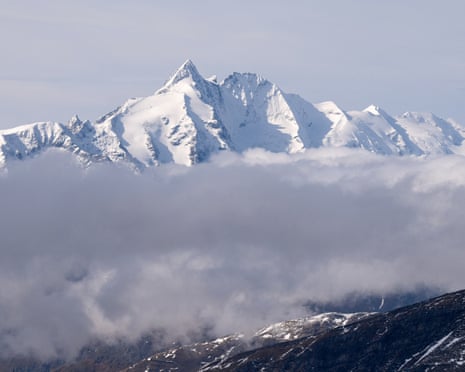 Kerstin G died after being left 50 metres from the summit of Großglockner, Austria's highest mountain. Photograph: Kerstin Joensson/AFP/Getty Images
theguardian.com
Kerstin G died after being left 50 metres from the summit of Großglockner, Austria's highest mountain. Photograph: Kerstin Joensson/AFP/Getty Images
theguardian.com
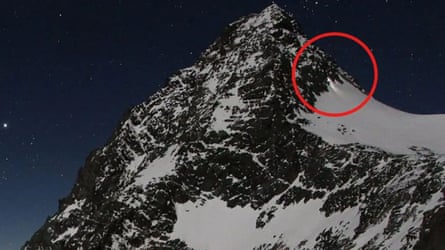 Webcam footage shows Thomas P with a torch descending from the peak in stormy conditions in the early hours of 19 January 2025. Photograph: www.foto-webcam.eu
theguardian.com
Webcam footage shows Thomas P with a torch descending from the peak in stormy conditions in the early hours of 19 January 2025. Photograph: www.foto-webcam.eu
theguardian.com
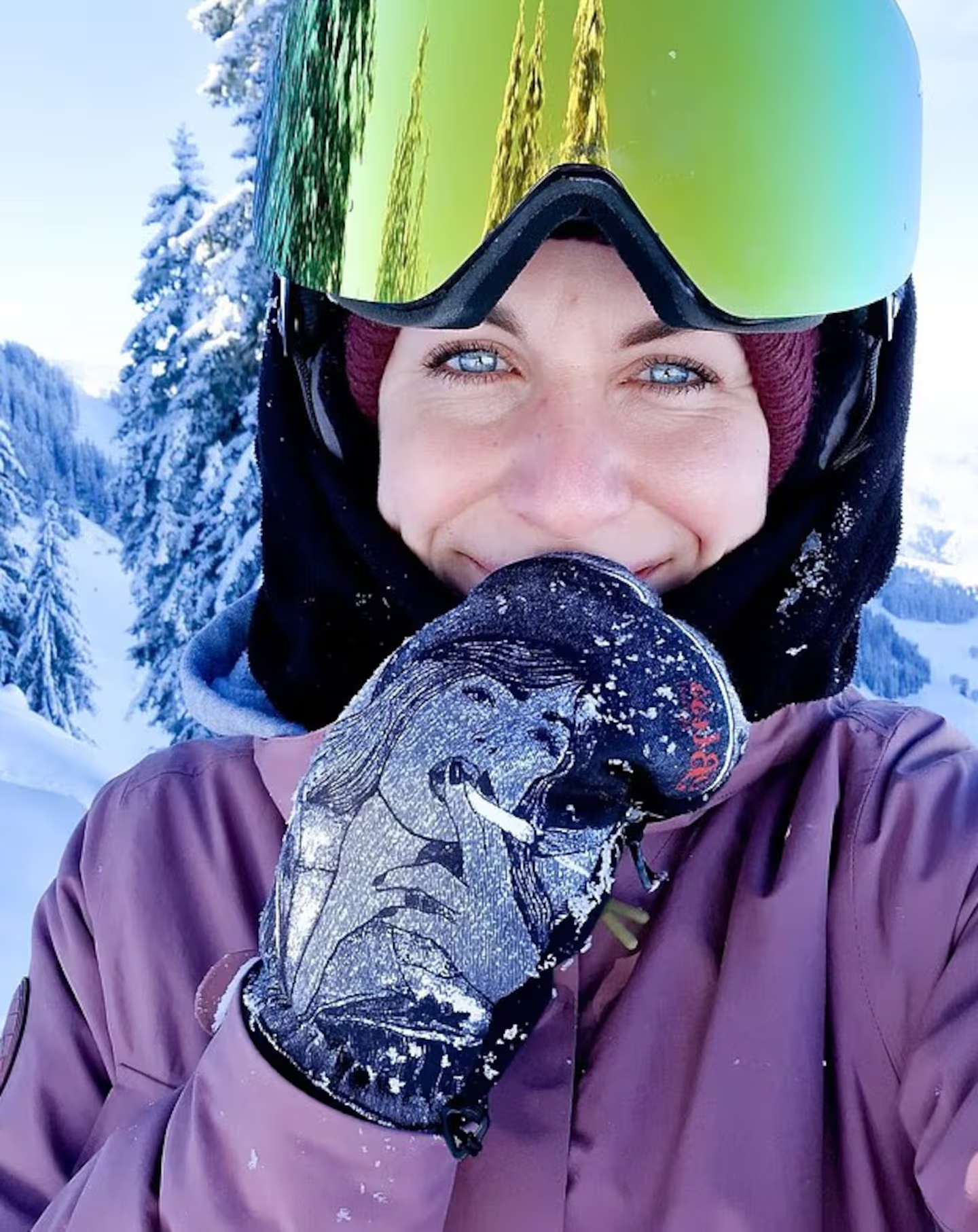 Kerstin Gurtner died in January 2025 while attempting to climb Grossglockner with her boyfriend (Instagram)
Instagram
Kerstin Gurtner died in January 2025 while attempting to climb Grossglockner with her boyfriend (Instagram)
Instagram
 The couple were metres away from the summit when Kerstin Gurtner fell sick (AFP/Getty)
AFP/Getty
The couple were metres away from the summit when Kerstin Gurtner fell sick (AFP/Getty)
AFP/Getty
An Austrian court has convicted a 37-year-old amateur mountaineer of manslaughter after his girlfriend died on the Großglockner, the country’s highest peak—an unusually blunt use of criminal law in a domain normally governed by risk, judgment, and bad weather.
According to The Guardian, the Innsbruck court found “Thomas P” guilty of causing the death of “Kerstin G” in January 2025 through gross negligence. He received a five-month suspended sentence and a €9,400 fine; the offence carries a maximum of three years in prison.
The facts, as aired in court, read like a case study in how quickly “private adventure” becomes “public liability.” The pair had fallen behind schedule during a winter ascent and reached a point roughly 50 metres below the summit on a freezing night. Kerstin G was exhausted and could not continue. Thomas P then left her exposed to strong winds to seek help at a mountain shelter—without wrapping her in an emergency blanket or bivouac bag that remained in her rucksack. He could not fully explain why.
The prosecution also highlighted a pattern: an ex-girlfriend testified that during a 2023 climb of the same mountain, after an argument over the route, he left her alone at night as her headlamp battery died.
The case turned not on whether alpinism is dangerous (it is), but on whether Thomas P had a legally relevant duty to act—what continental systems often frame as a “guarantor” position: a responsibility arising from taking charge of another person in a situation of foreseeable peril. The presiding judge, Norbert Hofer—himself an experienced mountaineer—told the defendant he was a better climber than his girlfriend by “galaxies,” and that she had placed herself in his care.
Even the rescue chain became part of the indictment. The Guardian reports that a short call to mountain police did not trigger a search because Thomas P allegedly failed to make clear that a rescue was needed; he also did not respond to follow-up calls or WhatsApp messages. He said his phone had been in airplane mode to preserve battery.
The quiet expansion here is the state criminalising not an assault, but a decision under stress in a hostile environment—effectively turning relationship dynamics and competence gaps into prosecutable “duty of care.” If that standard hardens, the mountains become less a realm of individual choice and more a venue where prosecutors second-guess split-second triage with the benefit of warm courtrooms and hindsight.
This verdict will not make the Großglockner safer. It will, however, make future survivors more careful about what they say to authorities—and perhaps more inclined to treat rescue services as a legal shield rather than an emergency tool. In the end, the state’s most reliable summit is still jurisdiction.