
California restaurant service fee sparks tipping backlash
LA Times frames dispute as reckoning with tipping racist origins, Moral politics replaces transparent pricing and voluntary exchange
Images
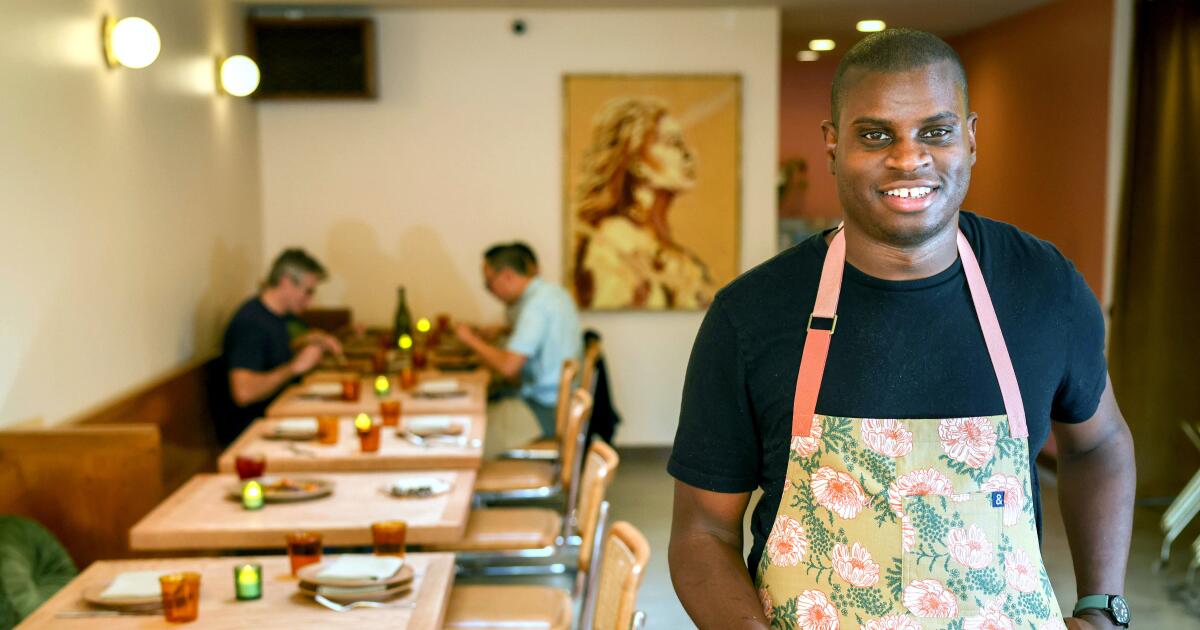 Citing racist past, this top California eatery added 20% surcharge. Then the backlash began
latimes.com
Citing racist past, this top California eatery added 20% surcharge. Then the backlash began
latimes.com
A California restaurant’s decision to add a mandatory service fee has turned into an American ritual: online outrage, threats, and a sermon about tipping’s allegedly “racist” origins, according to the Los Angeles Times.
The surface dispute is a line item—service fee versus voluntary tip. Underneath is a fight over who sets prices, who bears risk, and who gets to launder their preferred compensation model through public shame.
A tip is messy but legible: the menu price is the baseline, the customer adds a discretionary payment, and the worker’s income becomes partly demand-sensitive. A service fee is cleaner for the business: it’s compulsory, easier to forecast, and can be framed as a pro-worker reform even when it functions as price obfuscation. Both models can be defended; both can be abused.
What’s harder to defend is the rhetorical move the Times documents: converting a pricing mechanism into moral politics. The claim that tipping is tainted by history may be true in some contexts; it is also a convenient way to avoid the live question—how much should the meal cost, and who should capture the margin? A mandatory fee lets an operator raise the effective price while keeping the menu headline lower, shifting consumer attention from total cost to sticker cost. It’s the airline-baggage-fee playbook, rebranded as social justice.
The backlash is not an argument about accounting. It is a referendum on trust. Customers suspect the fee is not fully passed through to staff; staff may suspect management is using the fee to smooth payroll while claiming virtue; management suspects customers want the labor without paying for it. Into that mutual suspicion, activists inject origin stories about racism to declare one model illegitimate and the other enlightened.
The most interesting part is how quickly “choice” disappears. If a restaurant wants to go tipless, it can simply raise prices and pay wages—transparent, boring, and honest. If customers dislike tipping, they can patronize places that price labor into the menu. The market can clear.
But moralized narratives are a substitute for competition. They aim to standardize norms—through public pressure, regulation, or both—so that pricing becomes a political battleground rather than a business decision. When that happens, the winner is rarely the worker. It’s usually the incumbent firms best positioned to comply with the next round of mandated disclosures, payroll rules, and enforcement theater.
If the goal is dignity, transparency beats moralizing: publish the all-in price, state exactly where any fee goes, and let customers decide. Everything else is just another attempt to turn dinner into a referendum on virtue.