
Bard College hires WilmerHale to probe Leon Botstein ties to Jeffrey Epstein
DOJ files show post-conviction access to Pentagon-linked real estate pitches, Institutions outsource accountability to reputational management
Images
 Leon Botstein at the Bard commencement in May 2013. Photograph: Philip Kamrass/AP
theguardian.com
Leon Botstein at the Bard commencement in May 2013. Photograph: Philip Kamrass/AP
theguardian.com
 Ex-Prince Andrew arrested under suspicion of giving Epstein 'inside information'
foxnews.com
Ex-Prince Andrew arrested under suspicion of giving Epstein 'inside information'
foxnews.com
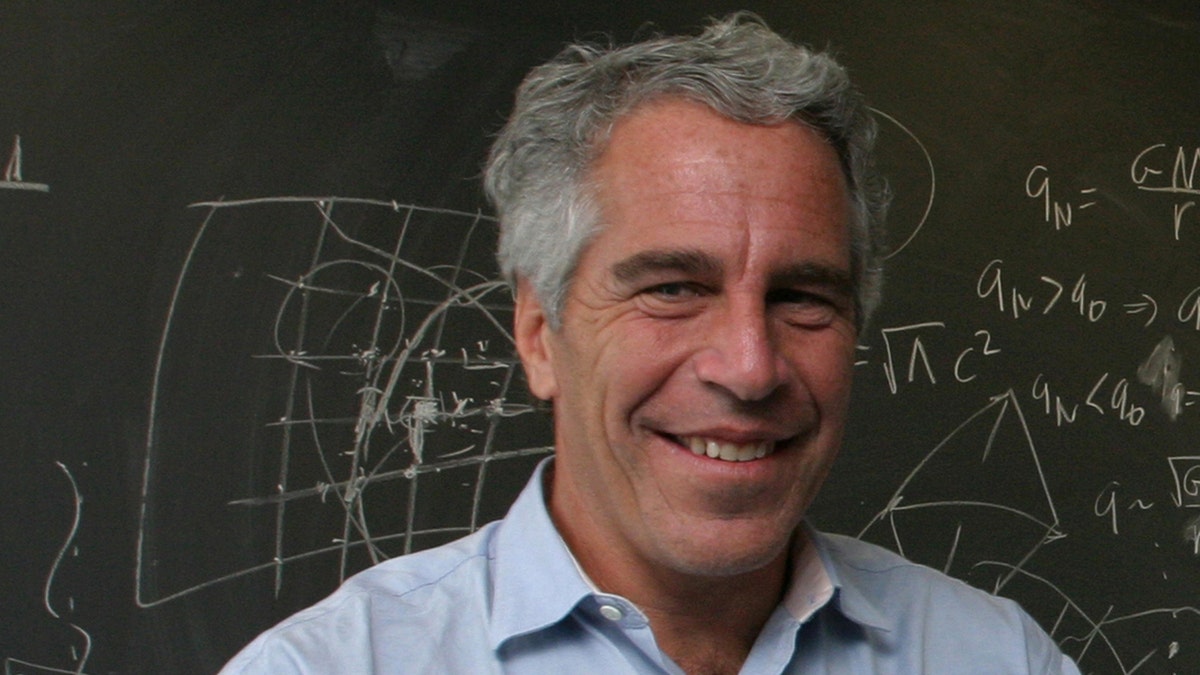 A close-up of Jeffrey Epstein
foxnews.com
A close-up of Jeffrey Epstein
foxnews.com
 Epstein’s Zorro Ranch in New Mexico faces renewed criminal probe
aljazeera.com
Epstein’s Zorro Ranch in New Mexico faces renewed criminal probe
aljazeera.com
Bard College’s trustees have hired the white-shoe law firm WilmerHale to conduct an “independent review” of communications between the college’s longtime president, Leon Botstein, and Jeffrey Epstein, along with any Epstein-connected donations and related governance issues, according to The Guardian.
The trigger is a fresh tranche of Department of Justice-released emails and documents that reportedly include Botstein’s travel to Epstein’s private island in 2012. Botstein has argued he first encountered Epstein in 2011, after Bard received what he called an unsolicited $75,000 gift to Bard High School Early College, and that he pursued the relationship as part of his fundraising duties. He has also maintained Epstein was “not my friend” and has offered a health-related explanation for his presence at a dinner on the island.
In parallel, Fox News reports that a 2016 email exchange shows Epstein—already a convicted sex offender after his 2008 plea deal—received a pitch to invest in a real-estate complex in Arlington, Virginia, leased exclusively to the U.S. Department of Defense. The proposal, forwarded via David Stern (an intermediary associated with former Prince Andrew), described the Pentagon Center complex as “mission-critical” and priced the acquisition at $387 million with $116 million in equity, projecting $27 million in net operating income. The same chain referenced earlier discussions about acquiring buildings leased to the FBI and U.S. courthouses.
Meanwhile, Al Jazeera reports New Mexico has reopened a criminal probe tied to Epstein’s Zorro Ranch, underscoring that the story is not merely reputational archaeology; it remains an active law-enforcement problem.
The common thread is less “scandal” than institutional design. Elite organizations—universities, real-estate finance networks, and government landlords—tend to treat reputational risk as a communications challenge rather than a control failure. The Bard board’s response is instructive: when the donor pipeline collides with public disgust, the reflex is to hire a major law firm to review “policies and practices” on donor vetting, conflicts of interest, and codes of conduct.
That may be prudent. It is also a familiar substitute for accountability: outsource the moral audit to a brand-name intermediary, produce recommendations, and hope the public confuses process with resolution.
You don’t need to romanticize private institutions to notice the pattern. The state’s sprawling tenancy footprint—Pentagon leases, FBI buildings, courthouses—creates an aura of legitimacy around whoever sits near the deal flow. And large nonprofits, dependent on a small number of wealthy patrons, are structurally incentivized to keep doors open to “problematic” money until the reputational cost exceeds the cash.
Epstein’s enduring utility, even after 2008, wasn’t charisma. It was access—financial, social, and institutional—repackaged as philanthropy and “connections.” When that’s the operating system, the surprise isn’t that a college president took the meeting. It’s that anyone expects the incentives to produce a different outcome without changing the underlying governance rules.