
Trump orders Pentagon UFO file release
AARO already claims no evidence of extraterrestrials, transparency arrives as curated declassification theater
Images
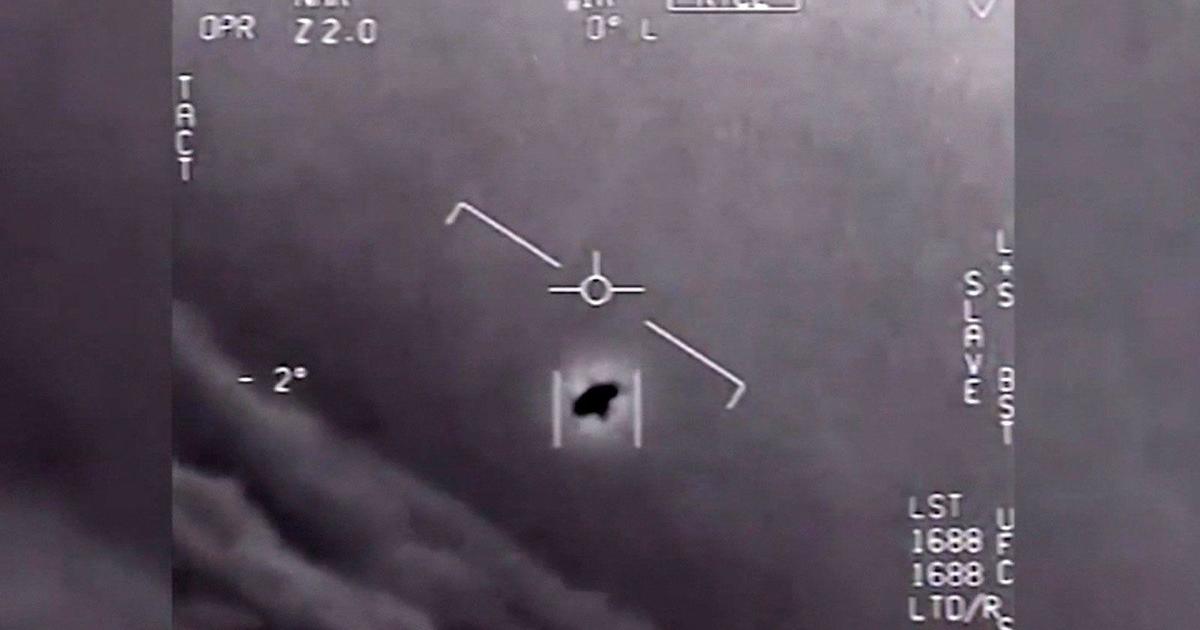 Trump says he's directing Pentagon to release any files on UFOs and "alien and extraterrestrial life"
cbsnews.com
Trump says he's directing Pentagon to release any files on UFOs and "alien and extraterrestrial life"
cbsnews.com
 Trump says he doesn't know if aliens are real but directs government to release files on UFOs, more
independent.co.uk
Trump says he doesn't know if aliens are real but directs government to release files on UFOs, more
independent.co.uk
President Donald Trump says he has directed the Pentagon and other agencies to identify and release files related to “alien and extraterrestrial life” and unidentified aerial phenomena, according to CBS News and The Independent. The move is being sold as transparency. It is also, almost by definition, a reminder that the state controls what “transparency” means.
The Independent notes Trump’s announcement followed renewed public interest since the 2017 leak of Navy videos (published by the New York Times and Politico) and subsequent congressional hearings. The Pentagon even created a dedicated office—AARO, the All-Domain Anomaly Resolution Office—in 2022 to centralize reporting. AARO’s leadership has repeatedly said it has found no evidence of extraterrestrial technology; an unclassified June 2024 report cited 485 incidents in a year, with 118 explained as balloons, birds, or drones, and emphasized that no evidence of alien activity had been discovered.
So what does “release the files” mean? It means the same institutions that classified the material decide what counts as releasable, what is too sensitive, and what can be summarized without disclosing underlying sources and methods. Disclosure becomes a curated product, not a transfer of power.
CBS reports the directive lands amid a wider political ecosystem in which “declassification” is treated as a personal favor—Trump even suggested he might be “getting [Obama] out of trouble” by declassifying, after Obama mused in a podcast about the statistical likelihood of life in the universe. This is how secrecy bureaucracies survive: the public is trained to view access to information as a discretionary gift from leaders rather than a presumption.
The objection is not that governments should never keep secrets; it is that secrecy metastasizes because it is institutionally profitable. Classification protects budgets, hides incompetence, and preserves monopoly over narrative. When the state “opens up,” it often does so to manage reputational risk, not to enable independent verification.
If there is anything worth learning from the UFO file genre, it is that the real unexplained phenomenon is administrative: a system capable of collecting vast amounts of data about citizens, yet somehow perpetually unable to provide clear, falsifiable accounts of its own claims—except in the form of press-friendly summaries.
Expect a show. If the state ever truly discovered something world-historic, it would not announce it via a controlled release; it would leak, fragment, and weaponize it—just like everything else.