
Japan ispace warns lunar-lander engine schedule slips
Series 3 timeline hinges on supplier qualification, NewSpace calendars still written in fundraising ink
Images
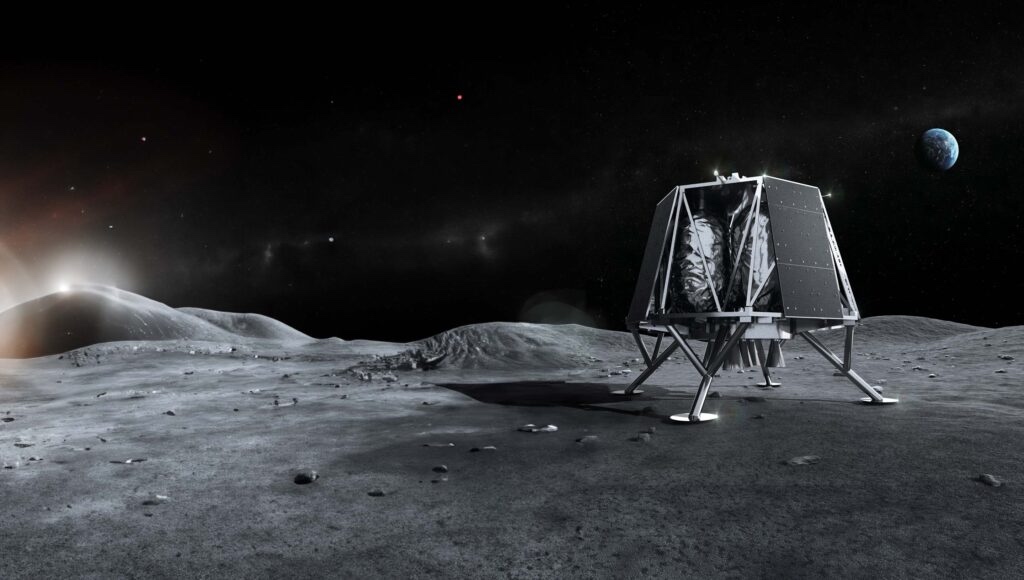 Japan’s ispace warns of delays in new lunar lander engine
spacenews.com
Japan’s ispace warns of delays in new lunar lander engine
spacenews.com
Japanese lunar-lander startup ispace is warning investors that its next-generation lander engine program is slipping — “NewSpace” schedules are often a financing instrument rather than an engineering forecast.
According to SpaceNews, ispace said delays at a partner developing the engine for its larger “Series 3” lander are pushing back the engine’s delivery. The company framed the issue as a supplier-side schedule problem, but the substance is more specific: qualification and delivery of a new propulsion system, not a cosmetic integration tweak. In lunar landing, propulsion is the mission — throttling, restart capability, thermal margins, and reliability under deep-space constraints are exactly where timelines go to die.
The immediate consequence is that ispace’s Series 3 development schedule now needs “re-evaluation,” with knock-on effects for integration, testing, and launch planning. For a venture-backed space company, “re-evaluation” is also code for revisiting cash burn, milestone-based payments, and the next fundraising narrative.
This is where private space timelines reveal their real job. The market rewards a clean Gantt chart because it implies a clean capital plan: raise money now, hit a visible milestone later, raise again at a higher valuation. When an engine slips, the company doesn’t just lose time; it loses the ability to sell the next story beat on cue.
Japan’s policy ecosystem doesn’t necessarily rescue the situation. Tokyo has spent years trying to cultivate a domestic commercial space stack, but industrial policy can’t conjure rocket-grade supply chains on command. Propulsion programs are a brutal mix of materials science, precision manufacturing, test infrastructure, and institutional tolerance for failure — the kind of “learning” that bureaucracies like to subsidize in theory and audit to death in practice.
What makes ispace’s warning notable is not that a space engine is late — space engines are always late — but that the delay sits at the junction of two fashionable myths: that “private” automatically means fast, and that national strategic enthusiasm automatically means competent suppliers. In reality, the physics is hard, the certification regimes are unforgiving, and the vendor base is thin.
Investors will now watch for whether ispace can de-risk propulsion by adding redundancy in suppliers, changing engine scope, or shifting mission architecture — all expensive options. Meanwhile, the company still needs to convince customers and backers that lunar logistics is a business, not a recurring press release with a launch date.
NewSpace promised to replace the old state-led model with entrepreneurial iteration. It may yet. But the calendar remains undefeated — and it doesn’t accept slide decks as payment.