
New Zealand sanctions 100 Russian shadow-fleet ships
Insurance and flagging become enforcement tools, Trade adapts via opacity and risk
Images
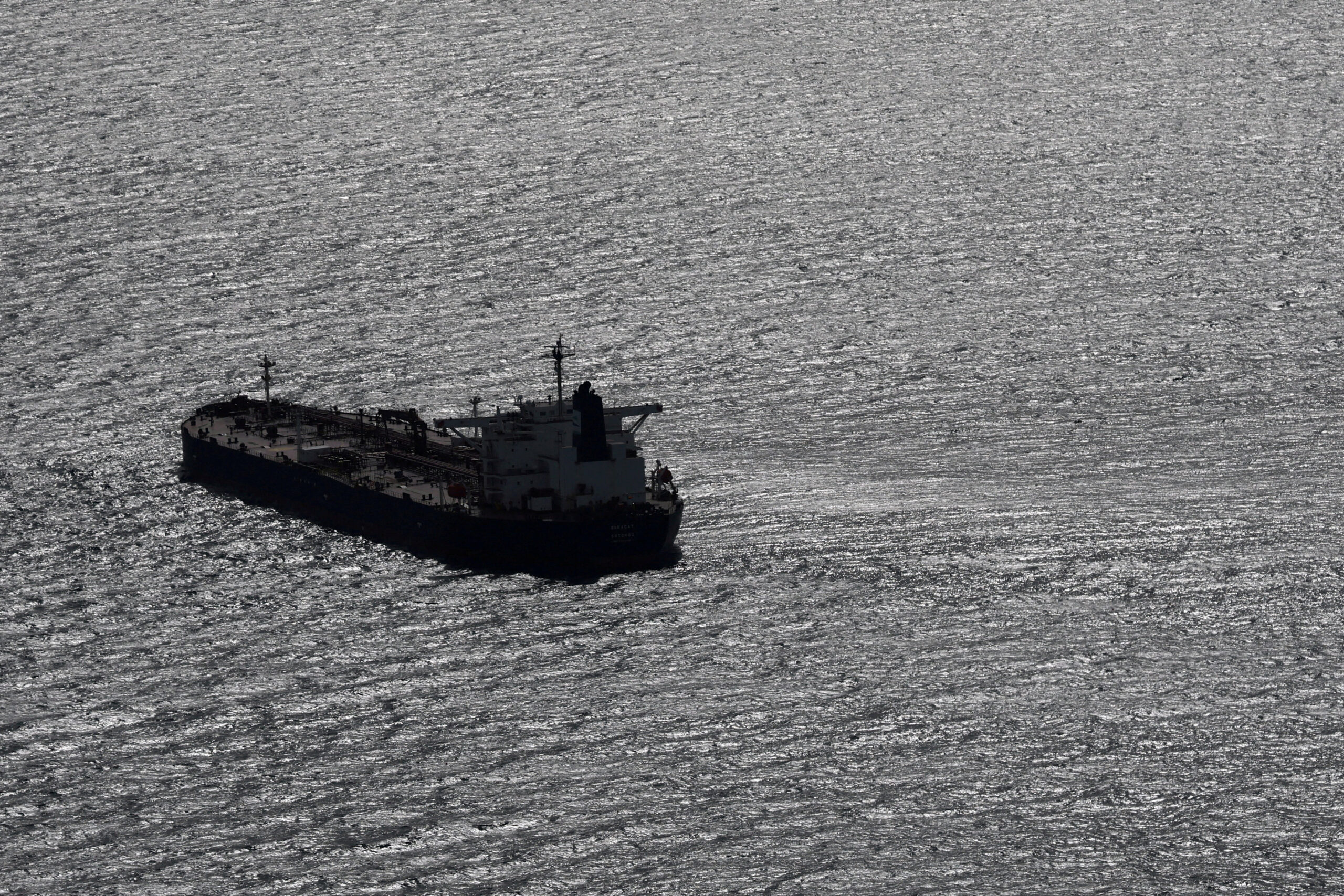 New Zealand Slaps Sanctions on 100 Russian ‘Shadow Fleet’ Vessels
gcaptain.com
New Zealand Slaps Sanctions on 100 Russian ‘Shadow Fleet’ Vessels
gcaptain.com
New Zealand has sanctioned 100 vessels it says are part of Russia’s “shadow fleet,” widening a maritime pressure campaign that increasingly runs through paperwork rather than patrol boats. The move, reported by gCaptain, targets ships linked to Russian oil exports that have sought to evade Western price caps and restrictions by shifting ownership, flags, and management.
On paper, this is classic sanctions policy. It is the outsourcing of geopolitical enforcement to a tangled private stack: flag registries, classification societies, port state control, banks, and—most decisively—marine insurers. A ship can float without a UN resolution; it cannot trade at scale without P&I (Protection & Indemnity) cover, hull insurance, class certification, and port access. Once a government designates a vessel, the compliance reflex propagates through private counterparties worldwide. Ports deny entry because terminals fear secondary exposure; insurers cancel because reinsurance and banking rails demand “clean” risk; class societies withdraw because their reputation is their product.
That is the real lever: not the navy, but the ability to make a tanker uninsurable and therefore commercially radioactive. New Zealand is joining a system where the state sets the list and private actors implement the blockade—often extraterritorially, because a ship’s financing, insurance, and certification are rarely confined to one jurisdiction.
The predictable side effect is not moral cleansing but operational adaptation. The more “compliance” becomes a weapon, the more the market invests in opacity: rapid re-flagging, shell ownership chains, management companies in permissive jurisdictions, and ship-to-ship transfers in murky anchorages. Shadow fleets don’t disappear; they metastasize. Cargoes are blended, AIS signals go dark, and maintenance is deferred—because a vessel cut off from mainstream insurance and class must either stop trading or accept higher accident risk.
Sanctions architects rarely price this in. When legitimate services are turned into instruments of state policy, they become scarce—and scarcity breeds substitutes. Trade routes stretch, transshipment increases, and risk premiums rise. The result is a global shipping system that is less transparent, more fragmented, and more accident-prone, while governments congratulate themselves for having “done something.”
New Zealand’s action may please allies and irritate Moscow. But it also reinforces a larger trend: maritime commerce governed not by open competition and contract, but by credentialed gatekeepers pressed into service as geopolitical bouncers—until the bouncers themselves become the reason the party moves somewhere darker.