
Fulu Foundation offers $10
000 to disable Ring camera data sharing with Amazon, privacy fight moves from legislation to firmware, question becomes who owns device you paid for
Images
 A $10K Bounty Awaits Anyone Who Can Hack Ring Cameras to Stop Sharing Data With Amazon
wired.com
A $10K Bounty Awaits Anyone Who Can Hack Ring Cameras to Stop Sharing Data With Amazon
wired.com
 A $10K Bounty Awaits Anyone Who Can Hack Ring Cameras to Stop Sharing Data With Amazon
dnyuz.com
A $10K Bounty Awaits Anyone Who Can Hack Ring Cameras to Stop Sharing Data With Amazon
dnyuz.com
A small nonprofit has issued a refreshingly concrete challenge to the ideology of “surveillance capitalism”: break the product.
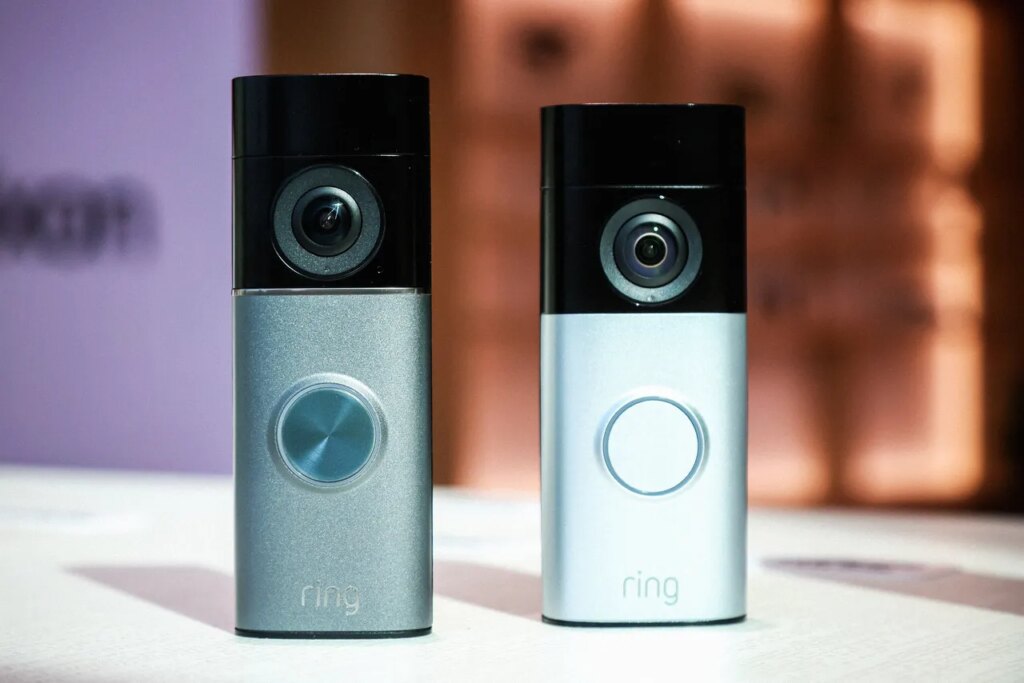
According to Wired, the Fulu Foundation is offering a $10,000 bounty to anyone who can modify Amazon’s Ring cameras so they stop “sharing data with Amazon” while remaining functional for the owner. DNyuz republishes the same reporting. The point is not to steal footage or “hack” a neighbor, but to sever the device’s habit of exfiltrating information back to the mothership.
This is an unusually honest privacy proposal because it treats the problem as engineering and property rights, not as a morality play for regulators. Ring cameras are sold as consumer goods—hardware you buy, mount on your home, and presumably control. Yet the business model, as every platform company now admits in practice, is that your “device” is a sensor node in someone else’s network. The camera’s value proposition is security; the camera’s profit center is data, subscriptions, and ecosystem lock-in.
Fulu’s bounty turns that contradiction into a test: when you pay for a device, what exactly do you own? The plastic and silicon? Or the right to operate it only under the vendor’s terms, with mandatory telemetry, cloud dependency, and the ever-present possibility of policy changes? If a camera cannot be made to function without continuously reporting back to its manufacturer, the product is less a household appliance than a rented terminal.
The angle here is not “privacy good, surveillance bad.” It’s the institutional drift of ownership into license: the steady replacement of property with revocable permission. You don’t “own” the camera; you own a conditional relationship with Amazon’s servers. And if that relationship is the real product, then the camera on your wall is merely the marketing.
The bounty itself highlights the asymmetry. A hobbyist can spend weeks reverse-engineering firmware and networking behavior for a four-figure prize; Amazon can spend that amount on a single meeting about “trust and safety.” Still, the wager is that individual ingenuity can pry open a black box faster than legislatures can draft a privacy bill without carving out exemptions for every politically connected data broker.
If someone succeeds, Ring’s broader ecosystem will face an awkward question: are customers buying security—or donating home surveillance footage to a platform that happens to sell cameras?