
UK Environment Agency launches drone-Lidar unit to target organized fly-tipping
33 pilots and 54 drones map illegal dumps for court, regulators chase black market created by disposal costs
Images
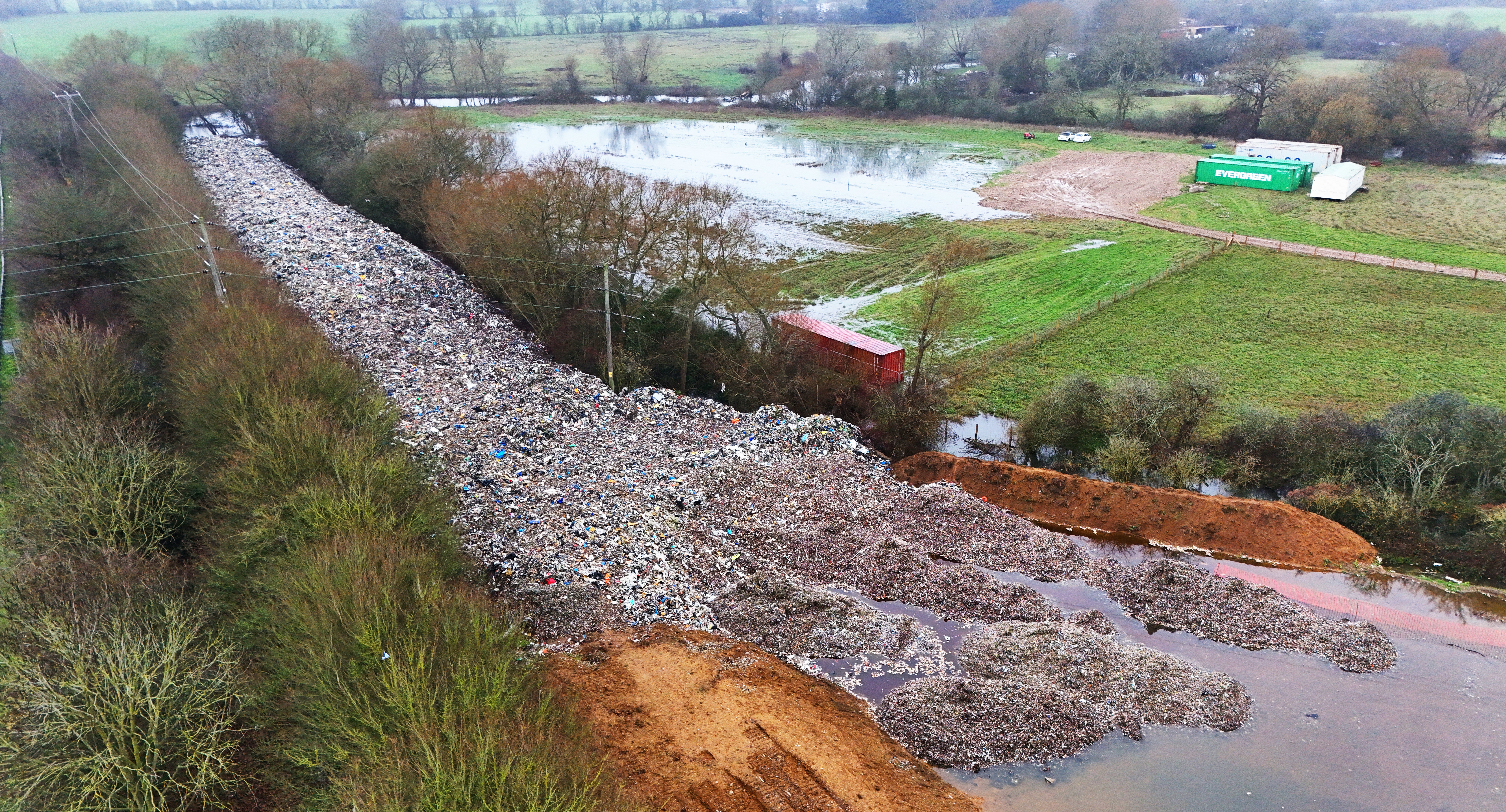 The 150m long mountain of rubbish that was illegally dumped beside the A34 and near the River Cherwell in Kidlington, Oxfordshire (Jonathan Brady/PA)
Jonathan Brady/PA
The 150m long mountain of rubbish that was illegally dumped beside the A34 and near the River Cherwell in Kidlington, Oxfordshire (Jonathan Brady/PA)
Jonathan Brady/PA
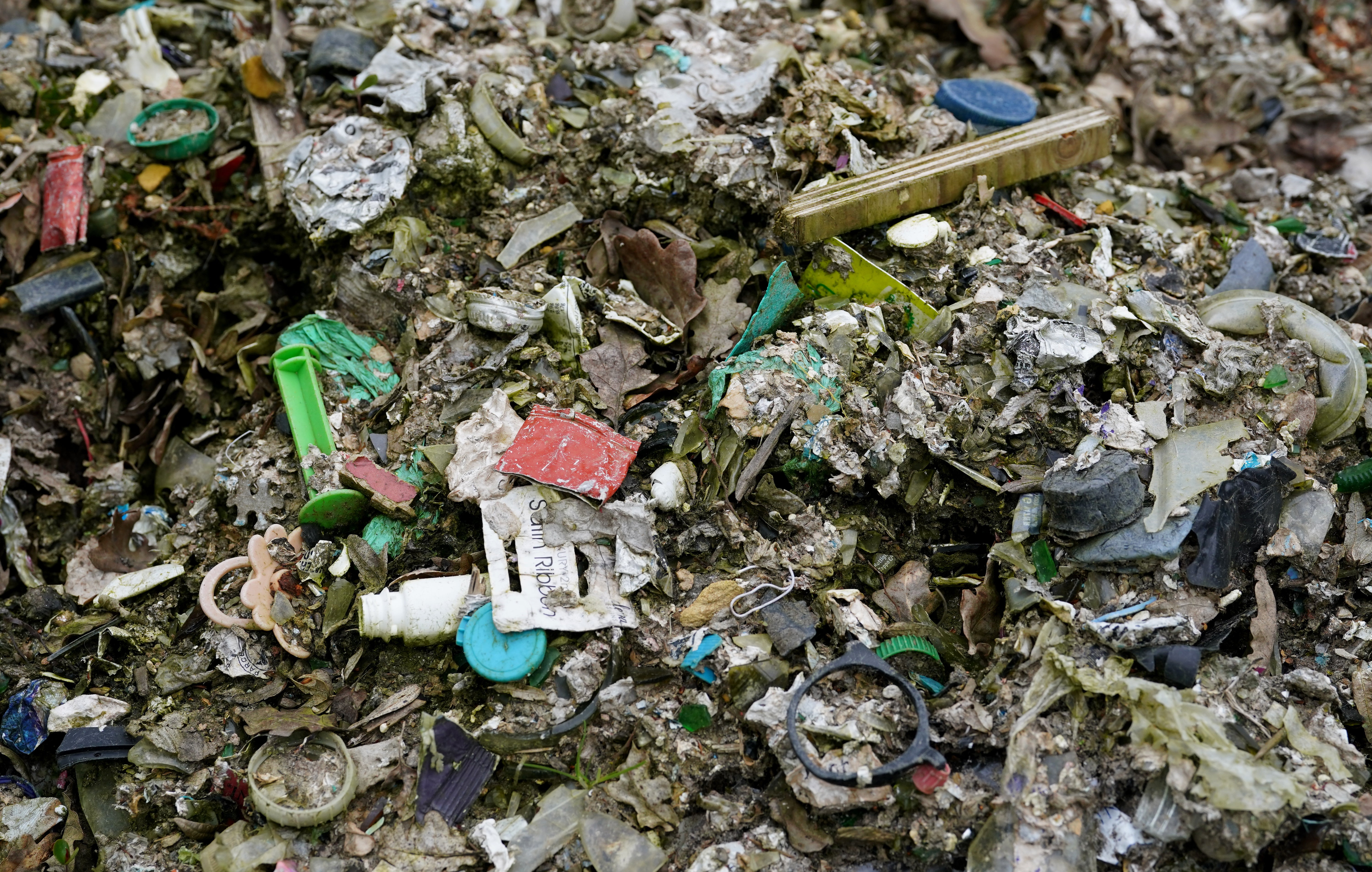 Illegal waste dumped within Hoads Wood in Ashford, Kent (Gareth Fuller/PA)
Gareth Fuller/PA
Illegal waste dumped within Hoads Wood in Ashford, Kent (Gareth Fuller/PA)
Gareth Fuller/PA
 standard.co.uk
 standard.co.uk
 standard.co.uk
A new British “drones squad” is being sold as the state’s answer to fly-tipping: 33 Environment Agency pilots, 54 unmanned aircraft, and Lidar “laser mapping” capable of firing millions of points per second to build courtroom-ready 3D models of illegal dumps. The goal, officials say, is to target organized waste-crime networks rather than the guy who leaves a mattress by a bin.
According to the Evening Standard, London has the highest fly-tipping rate in England—more than twice the national average—with Croydon singled out as the worst borough. The Independent adds that the government is pairing aerial surveillance with a new screening tool that cross-checks heavy goods vehicle operator-licence applications against waste permits and carrier licences, aiming to flag suspicious operators before they start hauling.
The political script is familiar: criminals are “ever more sophisticated,” so regulators must become more technological. Phil Davies, the EA’s waste-crime chief, called illegal dumping “heinous,” while Environment Secretary Emma Reynolds promised the government is “aggressively pursuing waste criminals,” per both outlets. The budget line is equally on-message: the government says it has raised the Environment Agency’s waste-crime enforcement funding by more than 50% to £15.6 million.
But the underlying economics are the part no press release can laser-scan. Waste disposal is expensive because it is regulated, monitored, and taxed; therefore a market appears for making waste “disappear.” When landfill fees and compliance costs rise, so does the value of a quiet lay-by, a wooded ravine, or someone else’s private land. The state is now responding to a price signal it helped create by adding another layer of cost—surveillance infrastructure—while hoping the bill lands on the “crime bosses” rather than on everyone else.
The technology itself will likely work at what it’s good at: documenting physical reality. Lidar can precisely measure volume and location; drones can capture time-stamped imagery; both can help establish when a pile grew and how access routes were used. That may strengthen prosecutions against operators who were already sloppy enough to be seen from the sky.
What it cannot do is solve the key problem of attribution. A 3D map of a rubbish mountain doesn’t identify who paid whom, who subcontracted the load, whose paperwork was forged, or which licensed operator quietly “lost” a few tonnes. The UK already has plenty of laws, agencies, and databases; the weak link is the chain of responsibility in a fragmented waste industry where incentives reward plausible deniability.
So Britain gets what modern governance does best: a new squad, a new sensor, and a new promise that this time the system will finally enforce the system. Meanwhile, the market for off-book disposal will keep doing what markets do—until the price structure changes.