
UK judge blocks Chagos removals mid-flight
Starmer sovereignty transfer to Mauritius stalls under injunction and Trump pressure, Geopolitics meets procedural veto at 25,000 feet
Images
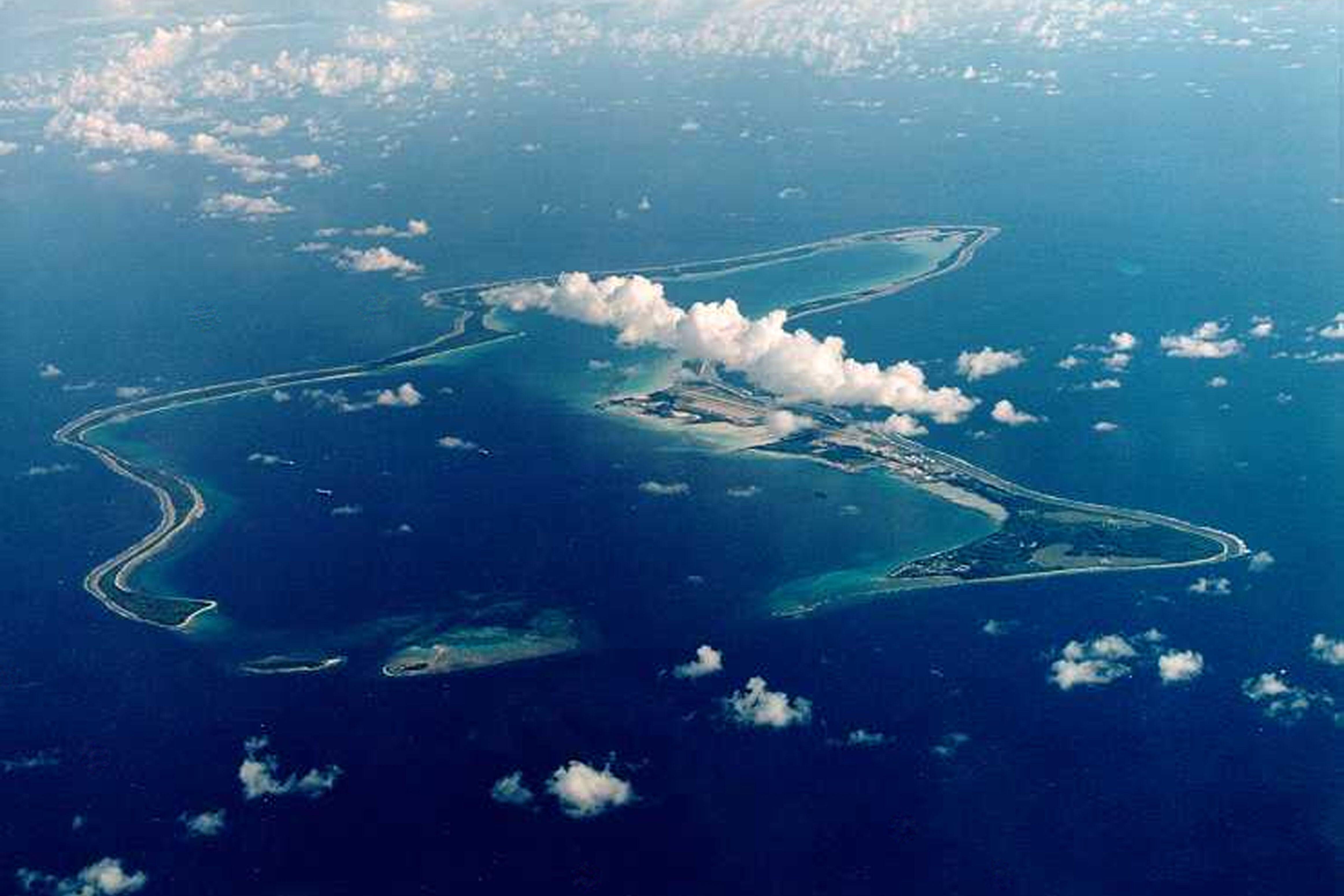 The Chagos Islands (CPA Media/PA)
CPA Media/PA
The Chagos Islands (CPA Media/PA)
CPA Media/PA
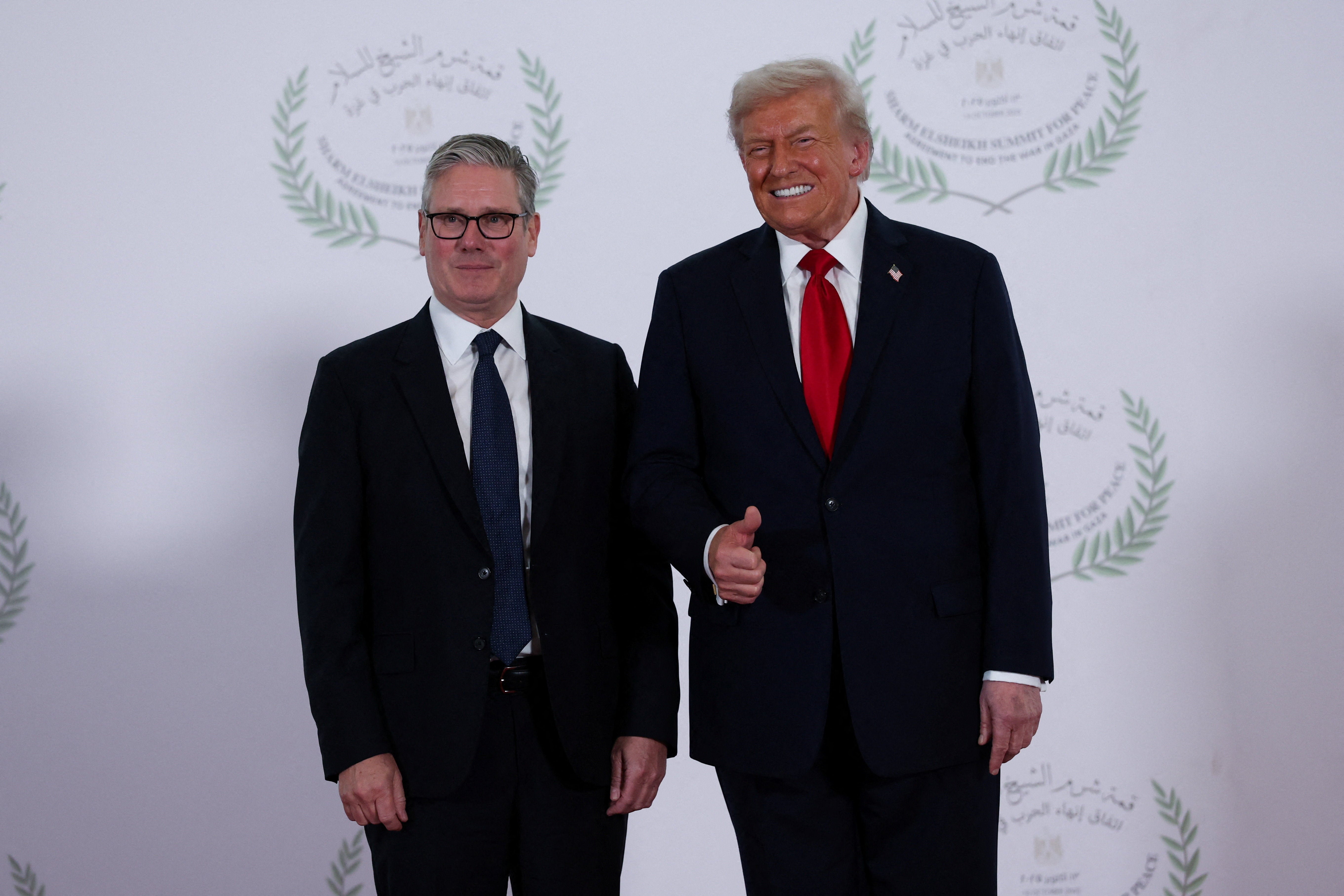 Sir Keir Starmer has repeatedly clashed with US president Donald Trump over the Chagos Islands deal (PA Wire)
PA Wire
Sir Keir Starmer has repeatedly clashed with US president Donald Trump over the Chagos Islands deal (PA Wire)
PA Wire
A British judge, reportedly ruling mid-flight at roughly 25,000 feet, has thrown fresh legal turbulence into Prime Minister Keir Starmer’s plan to transfer the Chagos Islands to Mauritius — a deal already wobbling under US pressure.
According to The Independent, Justice James Lewis, the chief justice of the British Indian Ocean Territory, issued a temporary injunction blocking removal notices served on four Chagossians who landed on the archipelago this week to begin what they call a permanent resettlement. Led by Misley Mandarin, described as the elected Chagossian first minister, the group declared their “return” to Île du Coin in the Peros Banhos atoll and said “hundreds more are following.” They were served papers ordering them to leave, but their lawyer obtained an injunction.
Lewis’s reasoning is strikingly mundane for a dispute wrapped in geopolitics: the “balance of convenience” favours the claimants because they are 120 miles from Diego Garcia and “pose no threat to national security on the evidence before me.” If deported, he said, they would face great difficulty returning. The injunction lasts seven days for the government to respond; absent a response, it can remain in force until judicial review is determined.
Starmer’s government is trying to execute a foreign-policy bargain that treats territory and displaced people as negotiating chips, while the judiciary can freeze the executive with a procedural lever — here, an injunction triggered by alleged lack of consultation and delays in UK litigation.
The political context is no less messy. The Independent reports that US President Donald Trump has decided to object to the handover, citing American concerns that China and India could seek influence over islands in the chain. Trump is also said to be angered by Starmer’s refusal to allow US use of RAF bases for strikes on Iran. Add allegations that the UK is feeding Mauritius military information about Diego Garcia under the lease-back arrangements, and the deal begins to resemble a liability-management exercise more than a clean transfer.
The underlying moral scandal — the forced removal of Chagossians between 1967 and 1973 to facilitate the UK-US base on Diego Garcia — is decades old. What’s new is the incentive structure: once governments normalize governing by offshore deals, leases, and disclaimers, courts become the last venue where individuals can impose costs on state “realism.”
Whether that is a triumph of rights or simply another veto point in a system that already struggles to make decisions depends on your tolerance for executive discretion. But the episode makes one thing clear: Britain’s imperial afterlife is now administered by injunctions, not gunboats.