
Seattle-area ORCA launches tap-to-pay with bank cards and mobile wallets
Open-loop payments simplify fares but expand data exhaust, Fare inspection shifts toward financial-identity proof
Images
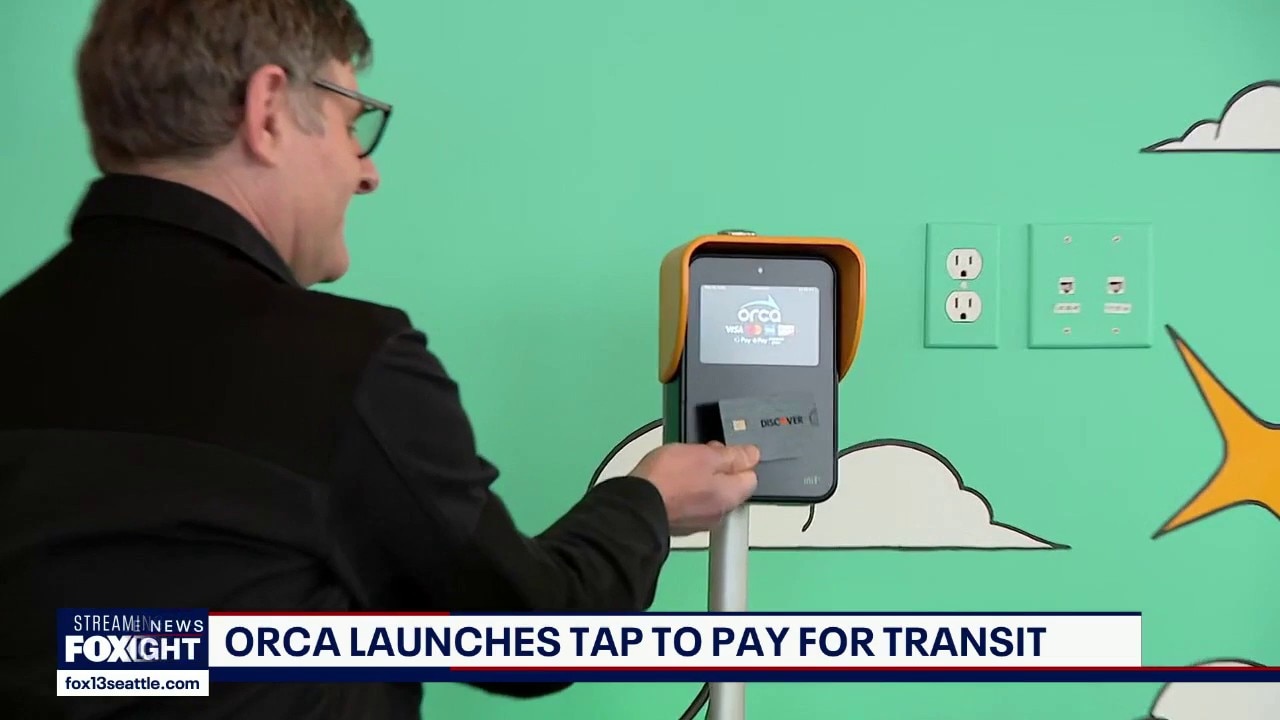 ORCA launches 'Tap to Pay' for public transit
fox13seattle.com
ORCA launches 'Tap to Pay' for public transit
fox13seattle.com
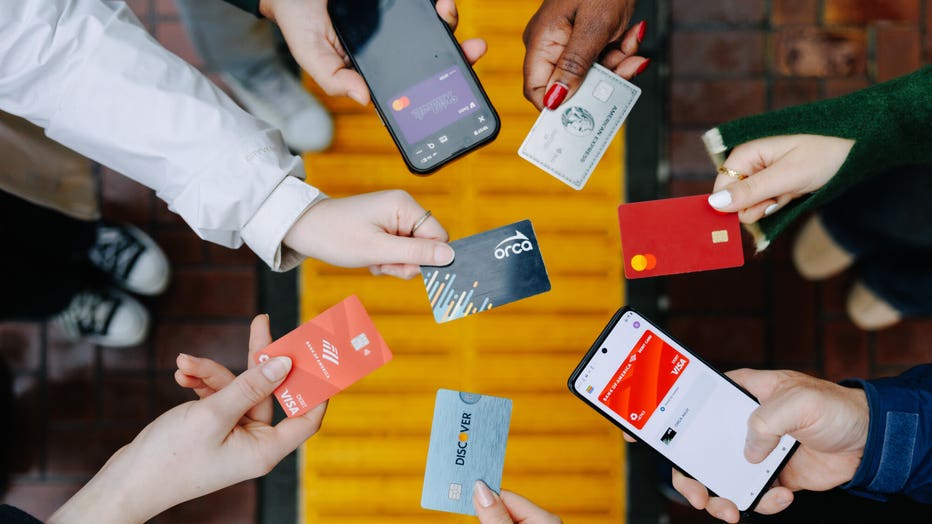 tap to pay on orca card reader photo
fox13seattle.com
tap to pay on orca card reader photo
fox13seattle.com
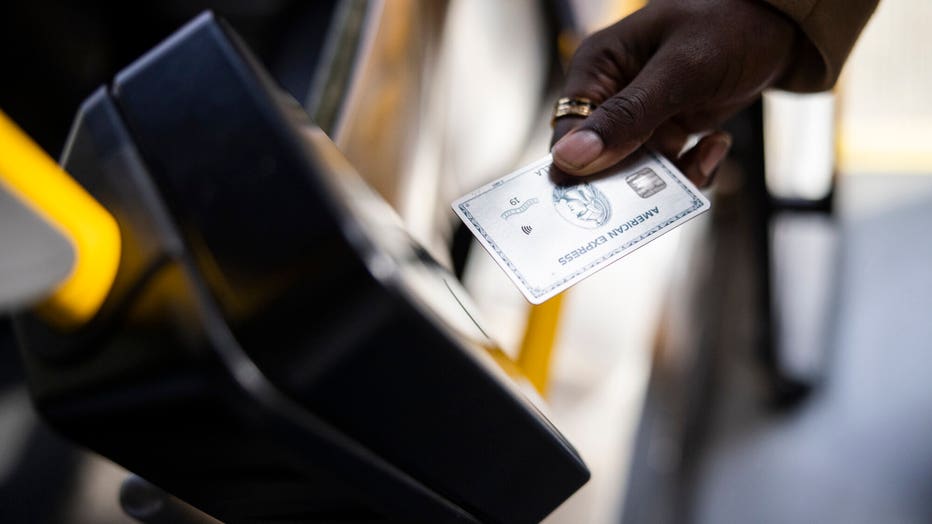 tap to pay on orca card reader photo
fox13seattle.com
tap to pay on orca card reader photo
fox13seattle.com
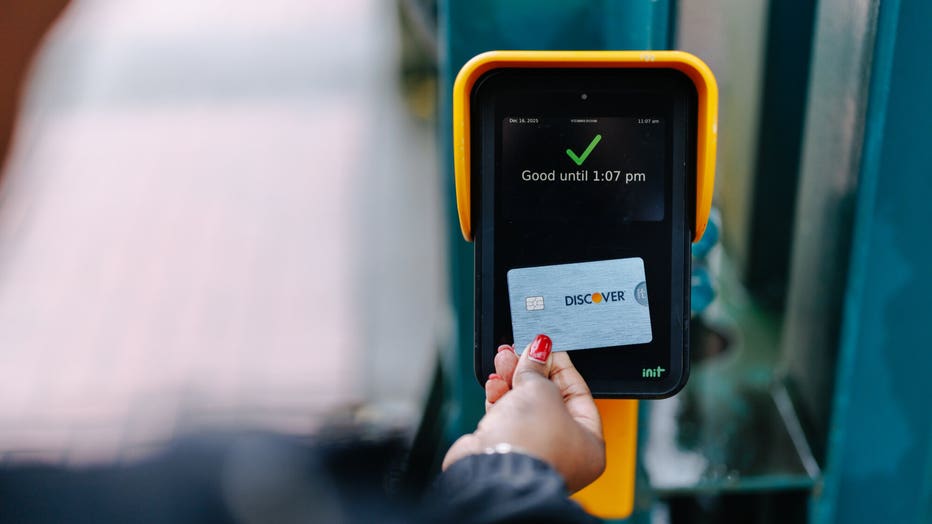 tap to pay on orca card reader photo
fox13seattle.com
tap to pay on orca card reader photo
fox13seattle.com
 tap to pay on orca card reader photo
fox13seattle.com
tap to pay on orca card reader photo
fox13seattle.com
The Puget Sound region’s ORCA transit system will soon let riders pay fares by tapping a contactless bank card or phone—convenient, frictionless, and predictably framed as “modernization.” It’s also the point where public transport quietly becomes a payments-and-identity layer.
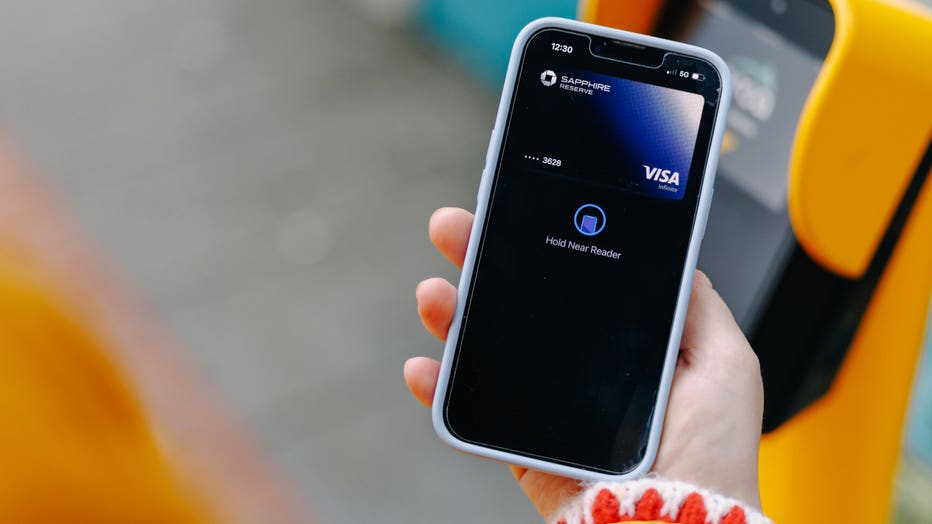
Fox 13 Seattle reports that starting February 23, ORCA and Sound Transit will roll out “Tap to Pay” across buses, trains, and ferries that accept ORCA. Riders will be able to use contactless Visa, Mastercard, Discover, or American Express cards, plus Apple Pay, Google Pay, and Samsung Pay. The pitch is aimed at occasional riders and visitors ahead of major 2026 events including FIFA World Cup matches at Lumen Field.
Technically, this is the easy part. Open-loop payments—charging a fare directly to a bank card—have been commodity infrastructure for years. The hard part is governance: who controls the transaction metadata, how it’s retained, and how quickly “fare collection” becomes behavioral analytics.
In ORCA’s case, the new system preserves some familiar mechanics: a two-hour transfer window still applies, but only if you tap the same card each time, according to Fox 13. One rider per card is enforced—no paying for a group with a single tap. Riders are also warned about “card clash” (multiple contactless cards in a wallet confusing the reader), and that convenience is built on a stack of probabilistic radio interactions and back-end reconciliation.
Then comes enforcement. Fox 13 notes fare inspectors won’t scan the credit/debit card; instead they will ask riders for the last four digits of the card used to verify payment. That’s a small detail with big implications: the system is now designed around proving identity via a financial instrument, even if the verifier only sees a truncated token. Once that workflow exists, expanding what is “needed” for inspection is a policy choice, not a technical constraint.
The feature won’t be universal at launch. Fox 13 lists Washington State Ferries and the Seattle Monorail among services not yet accepting Tap to Pay via ORCA, along with various paratransit and shuttle services. Fragmentation is bad UX—but it also means multiple agencies, vendors, and data-handling regimes will coexist, each with its own retention rules and breach surface.
Cash and anonymous stored-value cards were clunky, but they were privacy-preserving by default. Open-loop payments invert that: the default is traceability, and anonymity becomes a special request—if it’s offered at all.
If the region wants “seamless” transit for tourists, it can have it. The question is whether riders also get a credible promise that a morning commute won’t be repackaged into a lifetime mobility dossier—available to contractors, marketers, or, when the mood shifts, the state.