
CME pushes toward 24/7 crypto futures access
Traditional clearinghouse risk controls meet nonstop crypto price discovery, Always-open markets reward market makers and punish sleepy hedgers
Images
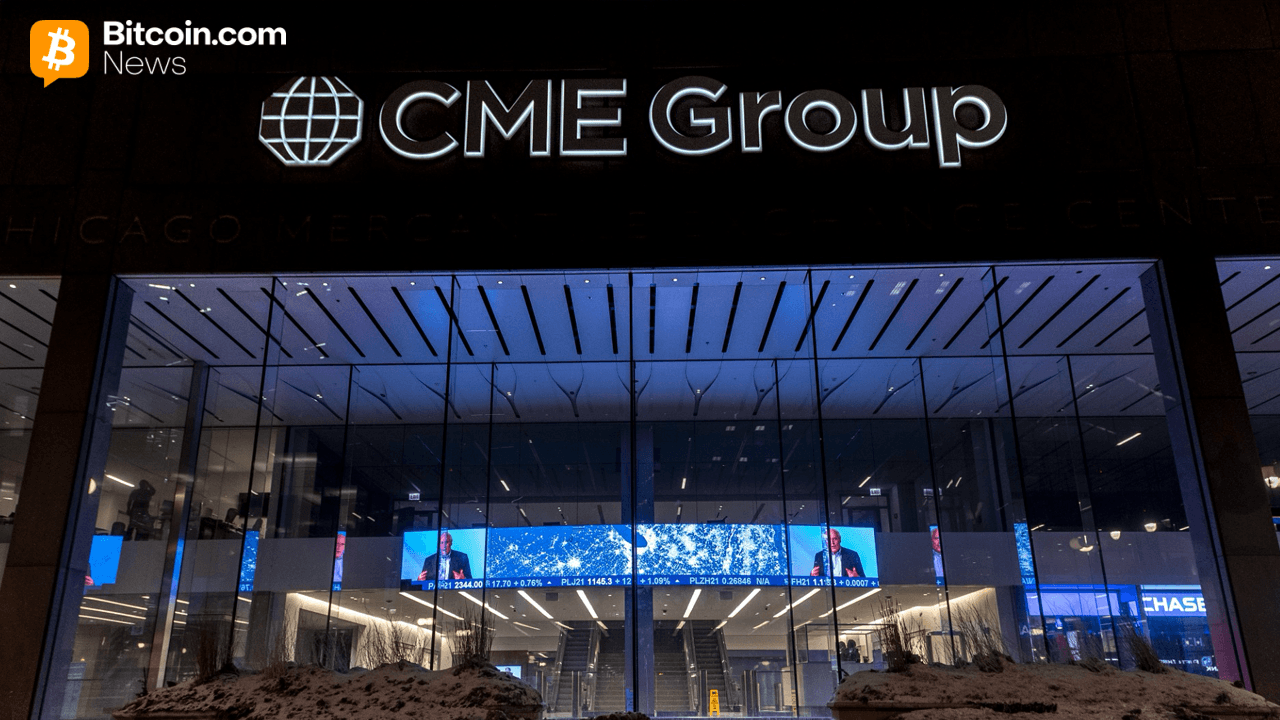 CME Group Bets on Around-the-Clock Crypto Futures Access
news.bitcoin.com
CME Group Bets on Around-the-Clock Crypto Futures Access
news.bitcoin.com
CME Group is exploring a move that would have been unremarkable in crypto but is still culturally disruptive in traditional derivatives: expanding access to crypto futures trading toward a 24/7 model. Bitcoin.com News reports the exchange is betting that institutional clients want round-the-clock trading in products like bitcoin and ether futures—without abandoning CME’s centralized risk controls.
The pitch is simple: crypto spot markets never close, and price discovery happens at 3 a.m. on a Sunday whether compliance departments like it or not. When regulated futures markets close, hedgers and market makers are forced to wear gap risk. A 24/7 futures venue would narrow the mismatch between spot and derivatives, potentially improving hedging precision and reducing the weekend “surprise” premium.
But always-on markets change who wins and who bleeds. The beneficiaries are typically the firms that can staff, automate, and collateralize continuously: high-frequency market makers, large prop shops, and the best-capitalized brokers. The losers are the players whose risk management is tied to human office hours—corporates using futures as a hedge, smaller funds, and anyone whose margin operations assume a nightly reset.
In a 24/7 environment, margin calls don’t politely wait for New York’s opening bell. Volatility clusters when liquidity thins; thin liquidity amplifies volatility; and the feedback loop punishes anyone who can’t post collateral at machine speed. “More access” can mean “more ways to get liquidated,” especially when leverage meets a market that never sleeps.
CME’s brand is built on being the grown-up in the room: centralized clearing, standardized margining, and a rulebook that treats default as an engineering problem rather than a philosophical one. Extending trading hours tests that model. Risk controls must operate continuously, and the exchange’s clearing ecosystem—FCMs, collateral systems, surveillance, and incident response—must also scale to continuous operation.
There’s also a regulatory subtext: if CME and other incumbents can offer near-constant trading, they siphon activity away from offshore venues that sell “freedom” as a synonym for weaker controls. That’s good for U.S. regulators, good for large institutions, and less romantic for the decentralization narrative.
If CME succeeds, crypto derivatives may become less of a parallel universe and more like another asset class absorbed into the existing financial state—complete with the same gatekeepers, the same margin discipline, and the same comforting promise that the system is safe because it is supervised. Markets, after all, can be open 24/7; bureaucracy is the only thing that insists on business hours.