
US retargets Haiti gang manhunt from Vitel’homme to Izo as TPS for 300
000 Haitians faces appeals court, Bureaucracy exports both repression and illegality
Images
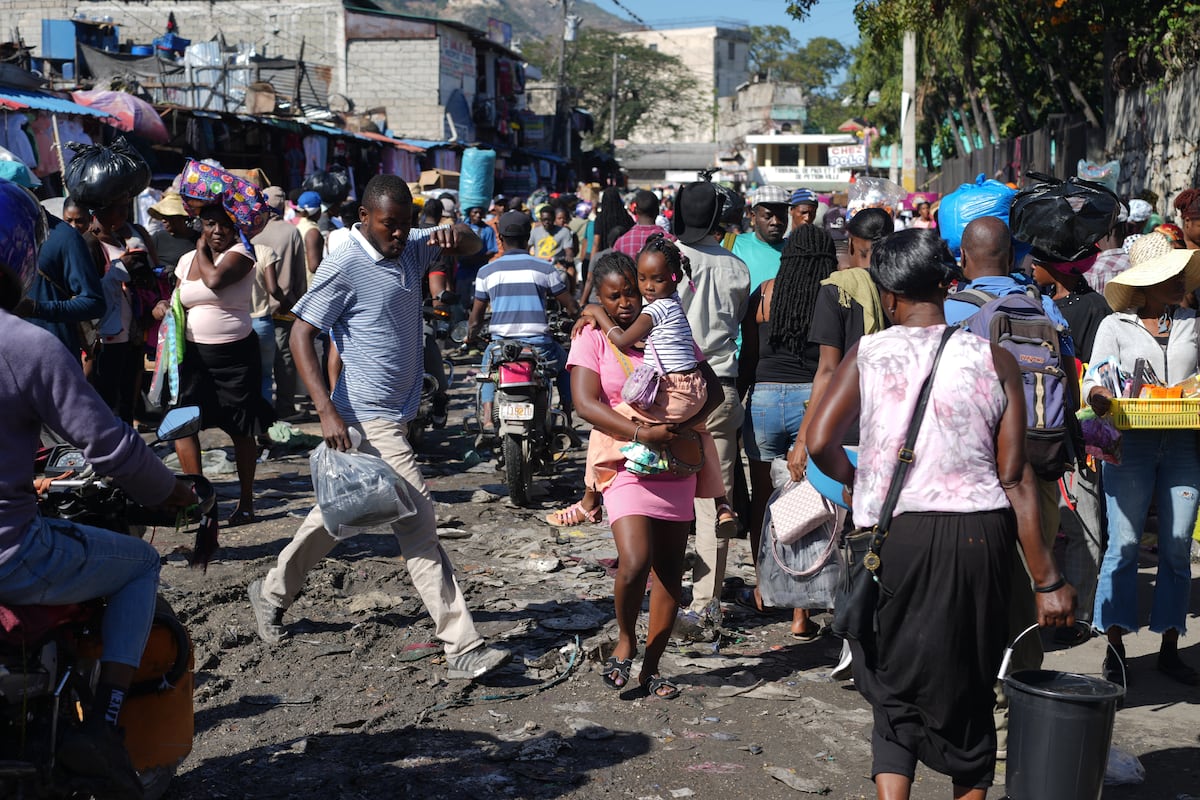 Haiti braces for the possible end of TPS for more than 300,000 citizens in the United States
english.elpais.com
Haiti braces for the possible end of TPS for more than 300,000 citizens in the United States
english.elpais.com
Haiti braces for the possible end of TPS for more than 300,000 citizens in the United States
english.elpais.com
Haiti braces for the possible end of TPS for more than 300,000 citizens in the United States
english.elpais.com
Haiti’s collapse is being managed from abroad with the usual bureaucratic elegance: Washington is simultaneously playing whack-a-mole with gang leaders at home and threatening to turn hundreds of thousands of working Haitians in the US into deportable non-persons.
On the security side, the Miami Herald reports that US authorities are shifting focus to a Haitian gang leader known as “Izo,” while the FBI has removed another figure, Vitel’homme, from its wanted list. The US can retarget its manhunts on a whim, and the paperwork quietly follows.
At the same time, the legal status of more than 300,000 Haitians living in the United States under Temporary Protected Status (TPS) is hanging on a federal appeals court decision, according to El País. Haiti’s TPS, granted after the 2010 earthquake, was set to expire on February 3 but was blocked at the last minute by a district judge on February 2. The Trump administration appealed; the appellate panel is expected to deliberate after the deadline for submissions.
El País notes that the Department of Homeland Security argues Haiti no longer meets TPS conditions, without clearly explaining why—an assertion that collides with public facts about Haiti’s security and humanitarian breakdown. The same reporting describes how deportees already face a logistics-and-extortion gauntlet: with gangs controlling key corridors and the capital’s airport unreliable, returnees often arrive in the north and must travel south through checkpoints run by criminal groups. Many find their homes occupied, become internally displaced, and struggle to find work in an economy where much of the population depends on aid.
TPS is not a statute-level right; it is an executive designation that can be ended administratively, then litigated piecemeal. El País notes the Trump administration has ended TPS for nearly every country previously covered, potentially creating more than 1.5 million new undocumented immigrants. Haitians—nearly a quarter of remaining TPS beneficiaries—could be next.
This produces a neat two-way pipeline of state arbitrariness. In Port-au-Prince, gang leaders are elevated or downgraded as targets by foreign agencies. In Miami, New York, and Boston, long-settled Haitian workers can be reclassified into illegality depending on how a court reads an agency memo.
And the incentives run in one direction. Remittances are Haiti’s economic lifeline; destabilizing the diaspora’s legal status doesn’t reduce gang power so much as it disrupts the lawful channels that compete with it. Meanwhile, deportations increase the pool of desperate people forced to navigate extortion checkpoints—effectively paying tolls to the very armed groups the US says it is hunting.
The state’s pitch is control. The outcome is a market in fear: for protection, for papers, for passage, and for the right to keep living where you already built a life.