
Cees Nooteboom dies at 92
Dutch novelist-travel writer made movement a literary method, Europe celebrates borderless culture while regulating everything else
Images
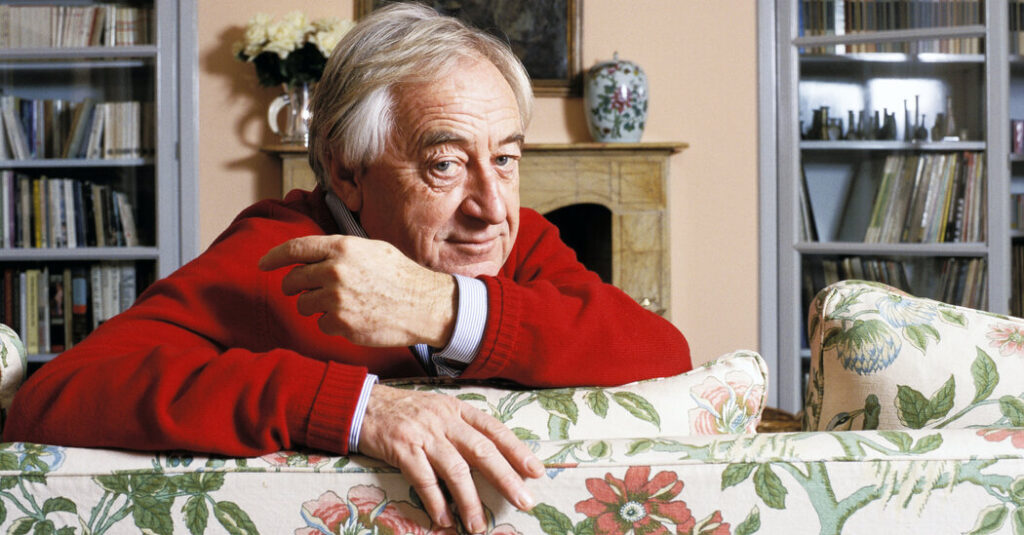 Cees Nooteboom, Voyaging Author of Enigmatic Novels, Dies at 92
dnyuz.com
Cees Nooteboom, Voyaging Author of Enigmatic Novels, Dies at 92
dnyuz.com
Dutch novelist, poet and essayist Cees Nooteboom has died at 92, ending a career built less on “a body of work” than on the stubborn idea that a writer is allowed to be elsewhere. Nooteboom, who spent decades moving between Amsterdam, Spain and whatever city or coastline he felt like interrogating, became one of Europe’s most recognizable literary travelers—an identity that reads quaint in an era when “travel writing” is mostly airline points and Instagram captions.
According to an obituary carried by DNyuz, Nooteboom died at 92 after a long life of writing enigmatic novels, poetry, and essays that treated geography as a method rather than a setting. He broke through early with the novel Philip and the Others (1955), but his reputation settled into a more interesting shape: the author as restless observer, producing fiction and nonfiction that refused to respect the bureaucratic borders of genre any more than the political borders of the continent.
Nooteboom’s best-known work in English is arguably his travel writing—especially Roads to Santiago, his meditative book on Spain and pilgrimage, and his essays and reportage that turned movement into a way of thinking. But he also wrote fiction that plays with time, identity and the unreliability of perception, including later novels that critics often describe as dreamlike or philosophical. Plot was never the product; it was consciousness under motion.
Institutions tend to claim figures like Nooteboom after the fact. The same Europe that regulates everything from rental contracts to kitchen ventilation loves to market “European culture” as a seamless inheritance—preferably one that can be commemorated with a plaque and a funding line. Nooteboom’s life suggests the opposite: culture is often a single individual opting out of the assigned script, leaving home, learning languages, and writing from the margins of comfort.
His temperament also reads as an implicit rebuke to the modern culture industry’s demand for constant, categorized output. Nooteboom published across decades without behaving like a content pipeline. He traveled because he wanted to; he wrote because he had something to say; and he built a readership that followed him without needing a brand refresh every quarter.
Nooteboom’s death closes one of the more quietly defiant European careers: a writer who treated the continent not as a political project but as a lived, walked, argued-with space—best understood by those willing to keep moving.