
Leaked videos show Cuban prisoners protesting hunger
Information-control state springs leaks, Mexico aid and US pressure both route power through ration system
Images
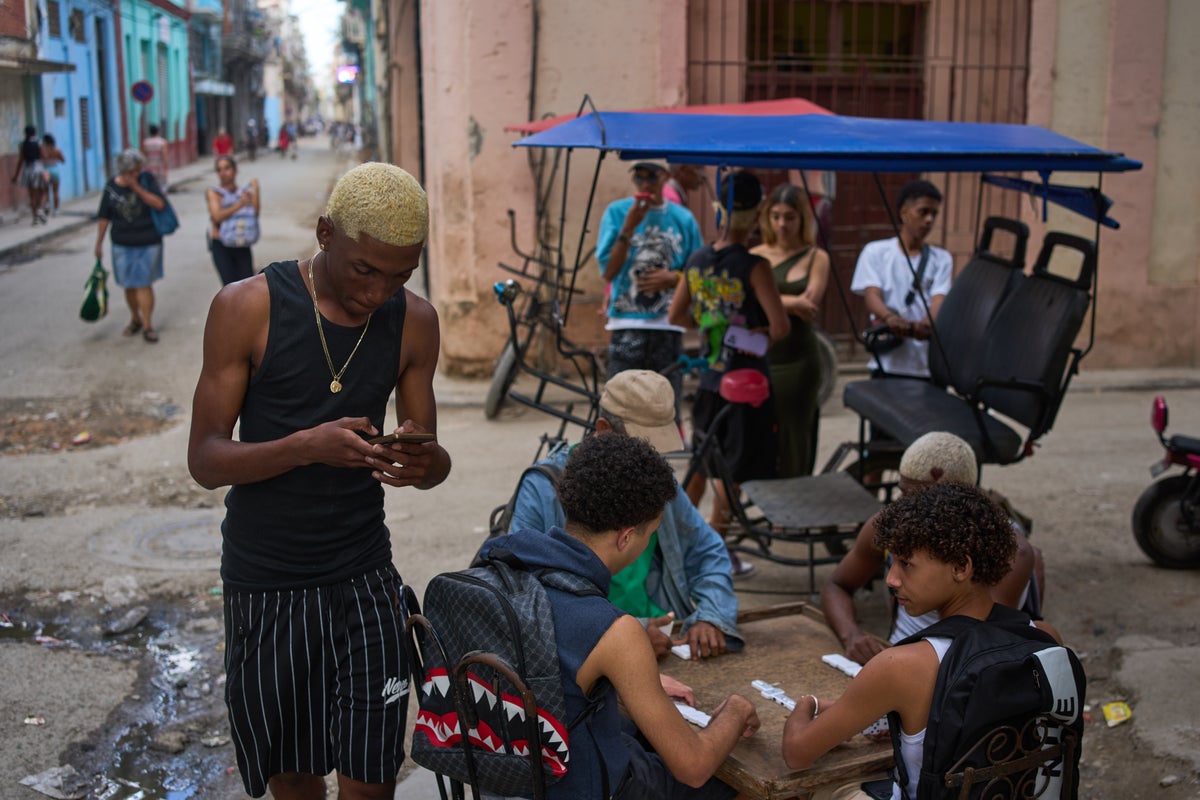 Cuban families receive 'Made in Mexico' essentials as crisis worsens
independent.co.uk
Cuban families receive 'Made in Mexico' essentials as crisis worsens
independent.co.uk
Cuban families receive 'Made in Mexico' essentials as crisis worsens
independent.co.uk
Cuban families receive 'Made in Mexico' essentials as crisis worsens
independent.co.uk
A rare set of prison videos circulating from Cuba is doing what decades of official slogans and carefully curated foreign delegations were designed to prevent: showing the regime’s coercion apparatus in its natural habitat.
According to the Miami Herald, the footage—described as unprecedented—captures inmates protesting hunger and denouncing the dictatorship from inside a Cuban prison. In a system built on information control, the significance is less the specific chant than the fact that it escaped at all. Havana’s model depends on monopolizing not only food and fuel, but also the narrative about why both are scarce.
The leak lands amid an accelerating economic breakdown. The Herald separately reports Cuba’s healthcare system is nearing collapse, with shortages of medicines and staff—an outcome that looks less like an unforeseen shock than the predictable operating condition of a centrally planned state that prices truth at zero and incentives below it.
Into this vacuum steps Mexico with highly visible “humanitarian” deliveries. The Independent, citing Associated Press reporting, describes Mexican Navy ships unloading roughly 800 tons of staples—rice, beans, oil, sardines, canned fruit—branded “Made in Mexico,” distributed through Cuba’s ration-book system and state bodegas to selected “vulnerable” families in Havana and nearby provinces. The optics are meticulous: aid arrives, state TV films it, bodega managers deliver it, gratitude is recorded.
Mexico’s assistance is framed as a response to blackouts and fuel shortages, worsened by U.S. pressure. The AP account notes President Donald Trump threatened tariffs on countries that sell oil to Cuba, tightening an already severe energy squeeze. Cuba reportedly produces only about 40% of its required fuel, leaving the island structurally dependent on external supply and therefore exquisitely sensitive to sanctions, embargoes, and geopolitical tantrums.
The stated aim of U.S. restrictions is to force political change; the practical effect, as Cuban residents have learned over decades, is to make access to scarce goods more valuable—and therefore more political. When normal commerce is criminalized or throttled, the regime does not wither; it becomes the licensing authority for survival. External aid routed through state distribution networks can unintentionally reinforce that same gatekeeping, converting foreign generosity into domestic leverage.
The end-state is visible: when the state controls food, it also controls compliance; when it controls information, it controls blame. Cubans respond the only way rational people do under rationing—by improvising parallel markets and informal supply chains. But the leak suggests even the coercion machine is feeling the strain. A system that must jail people to manage hunger is not “resilient.” It is merely armed.
As long as sanctions and aid alike are filtered through the same centralized bottleneck, the nomenklatura will continue to do what it does best: survive the crisis it created, and bill everyone else for the privilege.