
Venezuela after Jan 3 US raid: Delcy Rodríguez governs under Washington shadow
Chavismo retreats without dissolving, regime change morphs into managed protectorate
Images
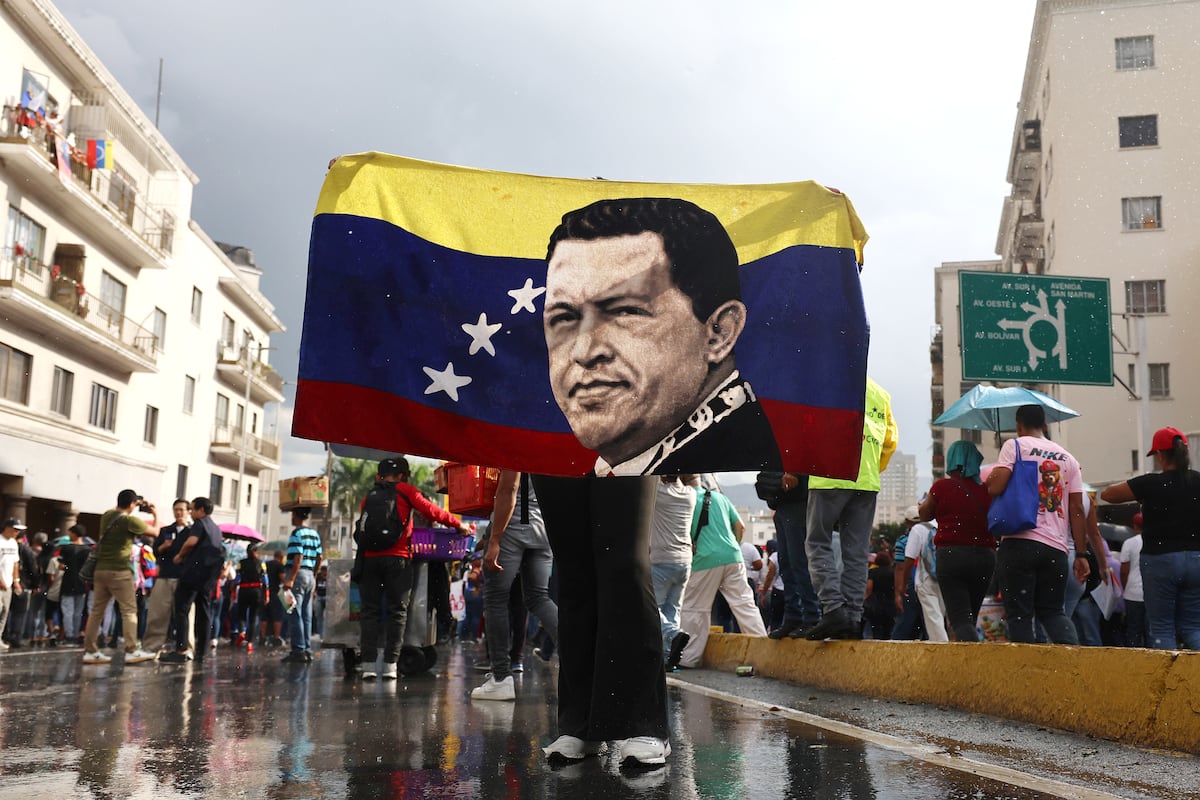 In Venezuela, Chavismo is retreating, but it is not withdrawing
english.elpais.com
In Venezuela, Chavismo is retreating, but it is not withdrawing
english.elpais.com
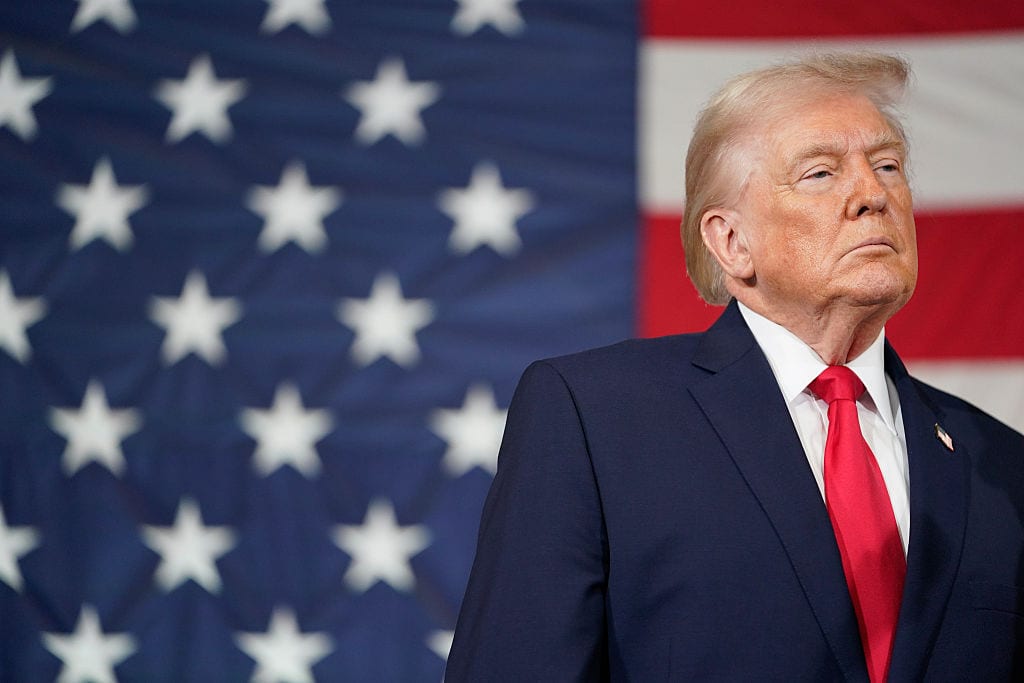 Ensuring That Trump’s Triumph in Venezuela Doesn't End in Tragedy, Pt. I
americanmind.org
Ensuring That Trump’s Triumph in Venezuela Doesn't End in Tragedy, Pt. I
americanmind.org
CARACAS — Venezuela’s post–January 3 reality looks less like “liberation” than a rebranded chain of command.
According to El País, the U.S. military raid that captured Nicolás Maduro produced shockwaves inside Chavismo but did not break the apparatus. Delcy Rodríguez, now interim president, has been publicly reaffirmed by the armed forces and the governing party structure. The regime’s ideological core—years of anti-imperialist theater—has been forced into a humiliating inversion: a government that once justified repression as sovereignty now calibrates policy to satisfy the occupying power’s demands.
El País reports that U.S. envoys have treated opposition leader María Corina Machado’s proposed nine-month timeline for general elections as “reasonable” in talks with local authorities. An amnesty law is expected, civil society is again calling for protests, and some opposition figures are emerging from hiding. Meanwhile, the economy shows tentative improvement and official rhetoric has softened—even hardliners like Diosdado Cabello and Iris Varela reportedly adopting a less confrontational tone.
This is being marketed as an opening. It is also a survival strategy. Political scientist Marisela Betancourt tells El País that Chavismo is executing an “orderly retreat” designed to appease external pressure while containing internal dissent. Concessions where they are cheap, coercion where it matters.
The American Mind, in a Trump-friendly warning shot, argues that Washington’s “triumph” risks turning into tragedy if the U.S. confuses tactical success with institutional reconstruction. That critique lands because the incentives are obvious: when a foreign power can decapitate a presidency but leaves the security services intact, the predictable outcome is not a free society; it is a security partnership—semi-occupied, heavily monitored, and permanently dependent.
The central question is not whether Chavismo “withdraws.” It won’t. The question is what gets rebuilt and who gets paid to rebuild it. In a procurement-state equilibrium, “transition” becomes a contracting opportunity: surveillance systems upgraded, counterinsurgency units retrained, intelligence sharing formalized, and the same bureaucrats—now speaking the language of stabilization—administering permits, licenses, and property seizures.
For ordinary Venezuelans, the risk is that the bill arrives before rights do. Elections on a timetable are easy to promise; dismantling the machinery that makes elections irrelevant—party-controlled courts, politicized prosecutors, and a military that owns the veto—is the hard part. If Washington’s objective is merely a quieter Caracas and a friendlier press release, then Rodríguez’s government can deliver compliance while preserving the internal cartel.
Maduro is gone. The state is still there. And the state, as usual, has found a way to survive by selling its own captivity as a new kind of legitimacy.