
Guatemalan journalist José Rubén Zamora freed to house arrest after 800+ days
Prosecutors appeal to return him to prison, due process becomes punishment without verdict
Images
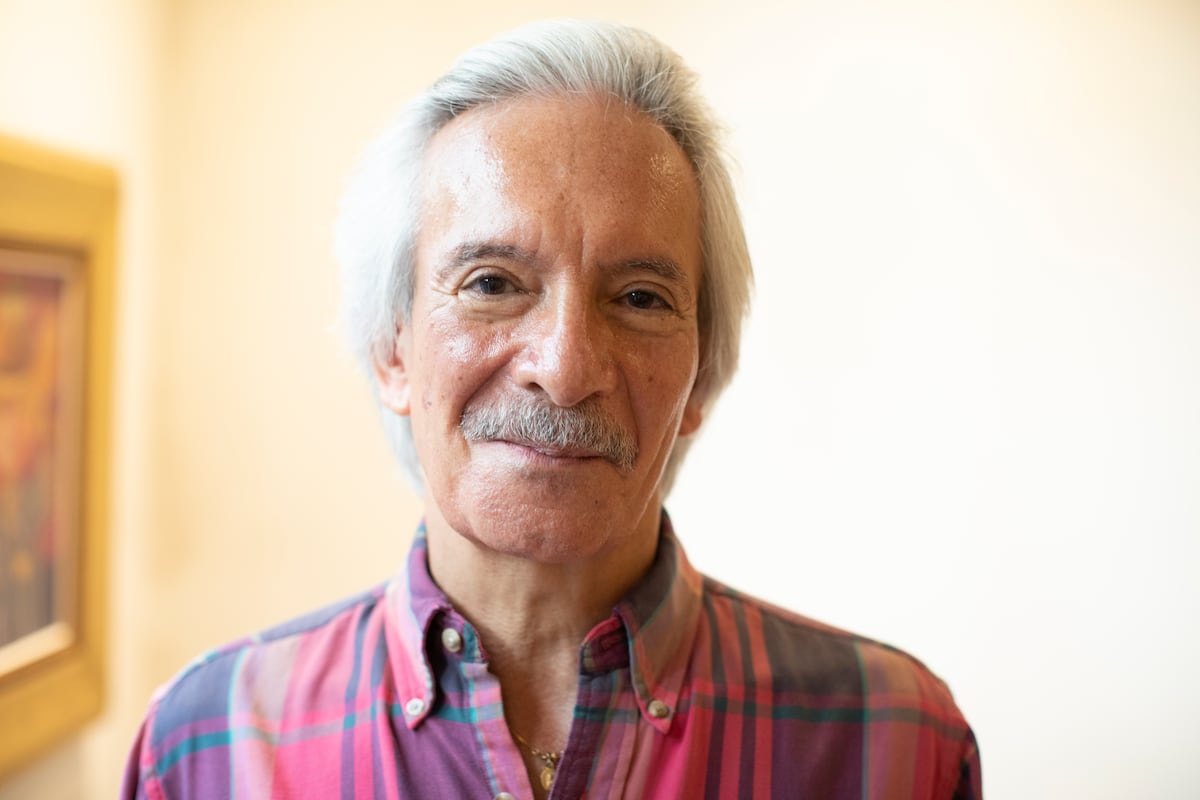 José Rubén Zamora: ‘I have essentially been kidnapped’
english.elpais.com
José Rubén Zamora: ‘I have essentially been kidnapped’
english.elpais.com
Guatemalan journalist José Rubén Zamora, founder of the now-shuttered newspaper elPeriódico, has been placed under house arrest after spending more than 800 days in detention—but prosecutors are already trying to send him back to prison.
In an interview with El País, Zamora describes his case as political persecution carried out through the slow violence of procedure: arrest first, adjudication later, and retrials as a lifestyle. He was detained in July 2022 on accusations of blackmail, influence peddling, and money laundering. In June 2023 he was sentenced to six years for money laundering and fined 300,000 quetzales (about $37,500), while being acquitted on the other charges. Both sides appealed.
Four months later, an appeals court overturned the conviction and ordered a retrial. Zamora was granted house arrest in 2024 while proceedings continued—then that relief was revoked after five months when another court accepted an appeal citing procedural flaws, again ordering a new trial that has yet to begin, El País reports. Now, after a new judge again granted house arrest, the Public Prosecutor’s Office has appealed, seeking his return to Mariscal Zavala military prison.
When the state wants to punish without the inconvenience of a final judgment, the result can be endless process, reversible decisions, and the permanent threat of re-incarceration. The punishment is not only confinement. It is legal cost, uncertainty, reputational damage, and the message to every other journalist: you don’t need to be convicted to be neutralized.
Zamora points directly at Attorney General Consuelo Porras and the Foundation Against Terrorism, which he characterizes as a network linked to military factions. He argues they reframed Guatemala’s post-corruption-crackdown conflict as “far left vs far right,” polarizing society and turning his prosecution into something personal, El País reports.
The economic logic is straightforward. When independent media becomes a prosecutable activity, information production doesn’t disappear—it relocates. It moves to exile, encrypted channels, and small outlets that price in legal risk. The result is a higher risk premium for truth-telling and a market advantage for compliant media that can operate without fear of asset freezes, raids, or pretrial detention.
Zamora says he will return to prison if forced, but calls the prospect “mentally difficult.” In Guatemala, the system’s point is to make the process itself the sentence.