
Zimbabwe beat Sri Lanka to stay unbeaten in T20 World Cup
Short-format variance rewards tactics and individual nerve over cricket bureaucracies, Rich boards watch underfunded teams rewrite odds
Images
 Zimbabwe shock Sri Lanka to upset the T20 World Cup odds again
aljazeera.com
Zimbabwe shock Sri Lanka to upset the T20 World Cup odds again
aljazeera.com
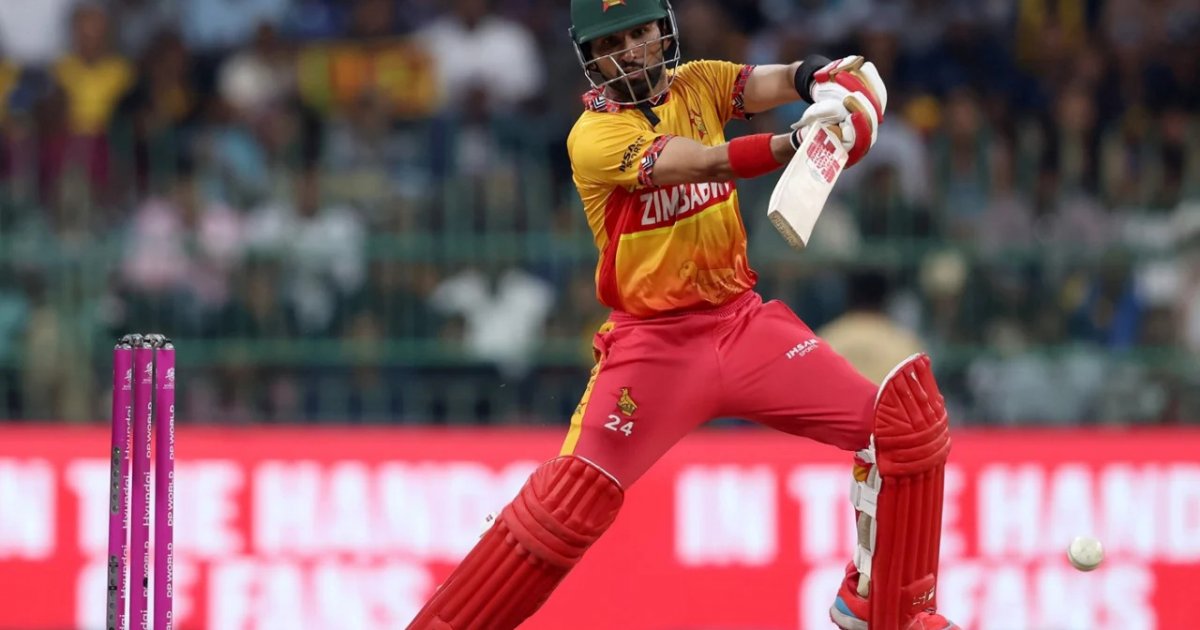 Zimbabwe unbeaten in T20 World Cup after six-wicket Sri Lanka win
dhakatribune.com
Zimbabwe unbeaten in T20 World Cup after six-wicket Sri Lanka win
dhakatribune.com
Zimbabwe’s men have beaten Sri Lanka in the T20 World Cup, extending an unbeaten run that is turning into the tournament’s most inconvenient storyline for cricket’s bureaucratic aristocracy.
Al Jazeera reports Zimbabwe upset Sri Lanka again, while the Dhaka Tribune describes a six-wicket win that keeps Zimbabwe perfect in the competition. The match details matter less than the point: in T20, variance is a feature, not a bug—and smaller teams that can identify matchups, hold their nerve, and get one or two standout performances can puncture the mythology that money and administrative heft equal sporting destiny.
Cricket’s establishment prefers to talk about “programs”: centralized pipelines, national academies, strategic plans, and the usual grant-funded jargon that makes administrators sound like venture capitalists without the downside risk. Zimbabwe’s recent results show that the decisive unit in a short-format contest is not a ministry of sport; it’s the individual player executing under pressure.
T20 compresses the game into a high-leverage sequence of decisions—bowling changes, field placements, risk management in the chase—where a single over can flip expected outcomes. That compression penalizes slow, status-quo institutions that optimize for long, predictable formats and rewards teams that can exploit information and momentum.
There is also a diaspora subtext. Smaller cricket nations routinely depend on players developed through cross-border leagues, foreign coaching influences, and professional opportunities that exist despite, not because of, domestic sporting bureaucracies. In a global sport, talent arbitrages geography: players and know-how travel, and centralized “national projects” often arrive late to claim credit.
Sri Lanka, by contrast, is a legacy cricket power with deeper resources and a larger institutional footprint. Losing to Zimbabwe is not supposed to happen—at least not in the narratives sold to sponsors and boards. Yet T20 keeps producing these outcomes because it is closer to a market than a five-year plan: rapid feedback, high competition, and harsh punishment for complacency.
Zimbabwe’s run will not prove that institutions never matter. It will, however, challenge the idea that institutions matter most. In the most volatile format, the edge belongs to teams that can move faster than committees—and to players who are willing to take the shots that administrators would rather regulate out of existence.