
DP World and APM Terminals deepen Jeddah hub
Saudi launches Zid Marine with Zodiac Milpro, Red Sea logistics turns private operators into strategic power
Images
 DP World, APM Terminals Partner at Jeddah to Strengthen Red Sea Hub
gcaptain.com
DP World, APM Terminals Partner at Jeddah to Strengthen Red Sea Hub
gcaptain.com
 Zodiac Milpro announces the creation of Zid Marine in Saudi Arabia - Naval News
navalnews.com
Zodiac Milpro announces the creation of Zid Marine in Saudi Arabia - Naval News
navalnews.com
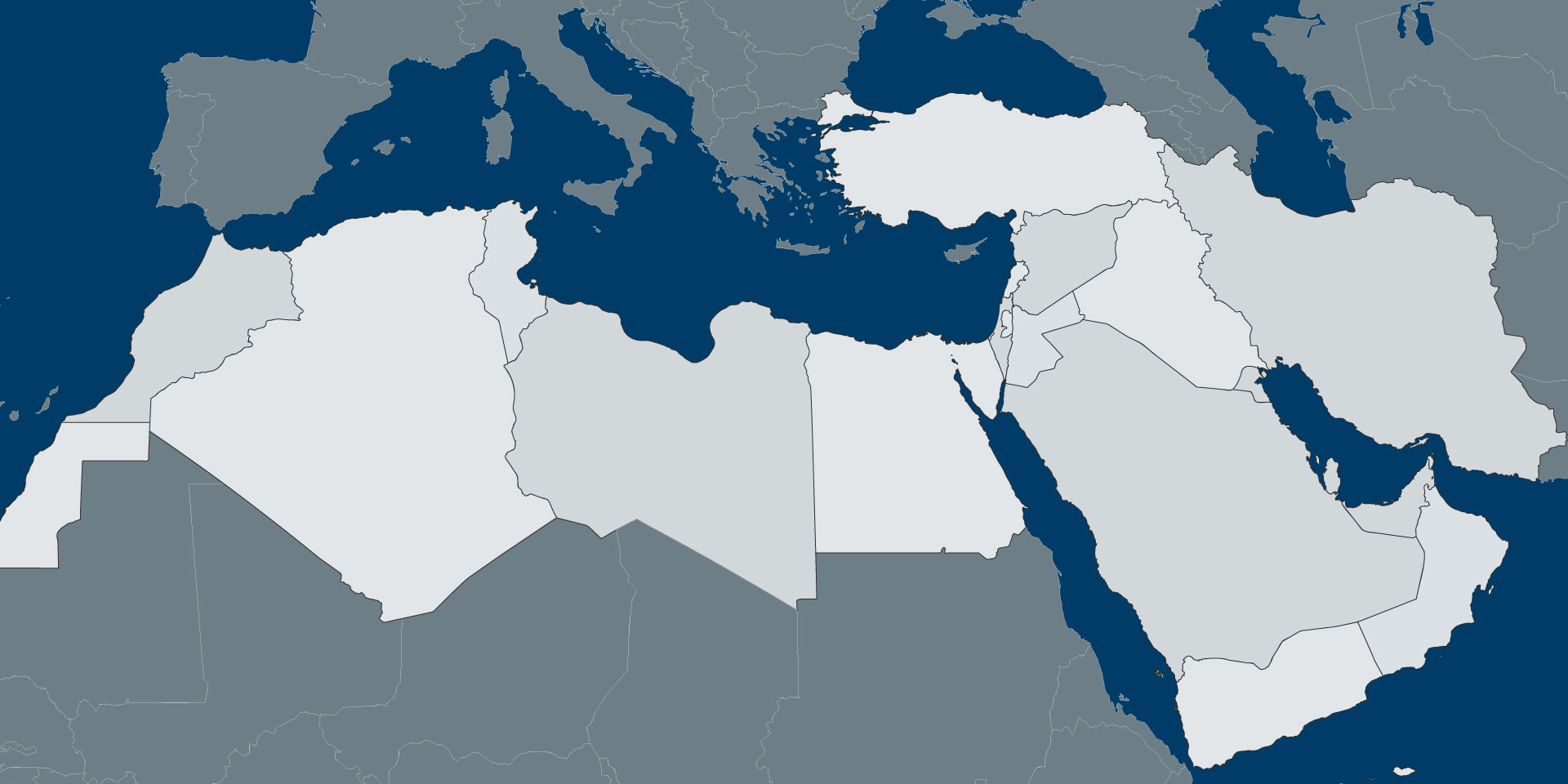 Turkey’s Expanding Influence Around the Mediterranean and Red Sea - Geopolitical Futures
geopoliticalfutures.com
Turkey’s Expanding Influence Around the Mediterranean and Red Sea - Geopolitical Futures
geopoliticalfutures.com
Ports do not merely move containers; they move leverage.
Two developments around the Red Sea underline how infrastructure that is nominally commercial becomes “dual use” the moment shipping lanes are contested and naval escorts become routine.
First, gCaptain reports that DP World and APM Terminals have partnered at Jeddah to strengthen Saudi Arabia’s Red Sea hub. The alliance links two of the world’s most influential port operators—DP World (Dubai) and APM Terminals (Maersk’s port arm)—inside one of the region’s most strategically exposed corridors, where rerouting, insurance premiums, and security costs have already turned logistics into geopolitics.
Second, Naval News reports that Zodiac Milpro has announced the creation of Zid Marine in Saudi Arabia. The move points to a broader Saudi industrial push into maritime capabilities—small combatants, patrol craft, and support vessels—precisely the kind of assets that sit at the seam between civilian maritime administration and state coercion.
On paper, these are business stories: operational efficiency, capacity upgrades, industrial localization. In practice, they are about who controls the valves of global trade when the Red Sea is treated as a contested zone.
The third piece is strategic context. Geopolitical Futures argues Turkey is expanding influence around the Mediterranean and Red Sea, using a mix of naval presence, defense exports, basing relationships, and political positioning. Taken together with the Jeddah port partnership and Saudi shipbuilding ambitions, the regional pattern is clear: states and quasi-state corporate actors are building a logistics architecture that can be repurposed quickly—from “trade facilitation” to blockade resilience, sanctions evasion, and wartime sustainment.
The uncomfortable lesson is that “private” port operators are rarely private in the way markets are private. They are regulated, subsidized, security-cleared, and politically entangled—especially when they operate chokepoints. When DP World and APM Terminals coordinate at Jeddah, they are not just optimizing crane moves; they are shaping routing choices and bargaining power for shipping lines, insurers, and governments.
And when a defense-adjacent firm like Zodiac Milpro helps stand up a Saudi marine entity, it is not merely creating jobs; it is deepening the state’s capacity to police (and, when convenient, coerce) the very maritime flows that commercial actors depend on.
Globalization was sold as a decentralizing force: supply chains would discipline states by making them interdependent. The Red Sea is demonstrating the inverse. Interdependence concentrates power in the hands of whoever owns—or can commandeer—the ports, the shipyards, and the security perimeter.
In 2026, “free trade” increasingly means paying rent to a layered stack of actors: port monopolies, state-backed operators, and naval forces that promise protection while quietly writing the rules of passage. The container is still sealed; the politics around it are not.