
Santiago LPG truck overturns and explodes
4 dead and about 50 vehicles damaged, Hazmat transport rules look strong on paper until the highway becomes the test lab
Images
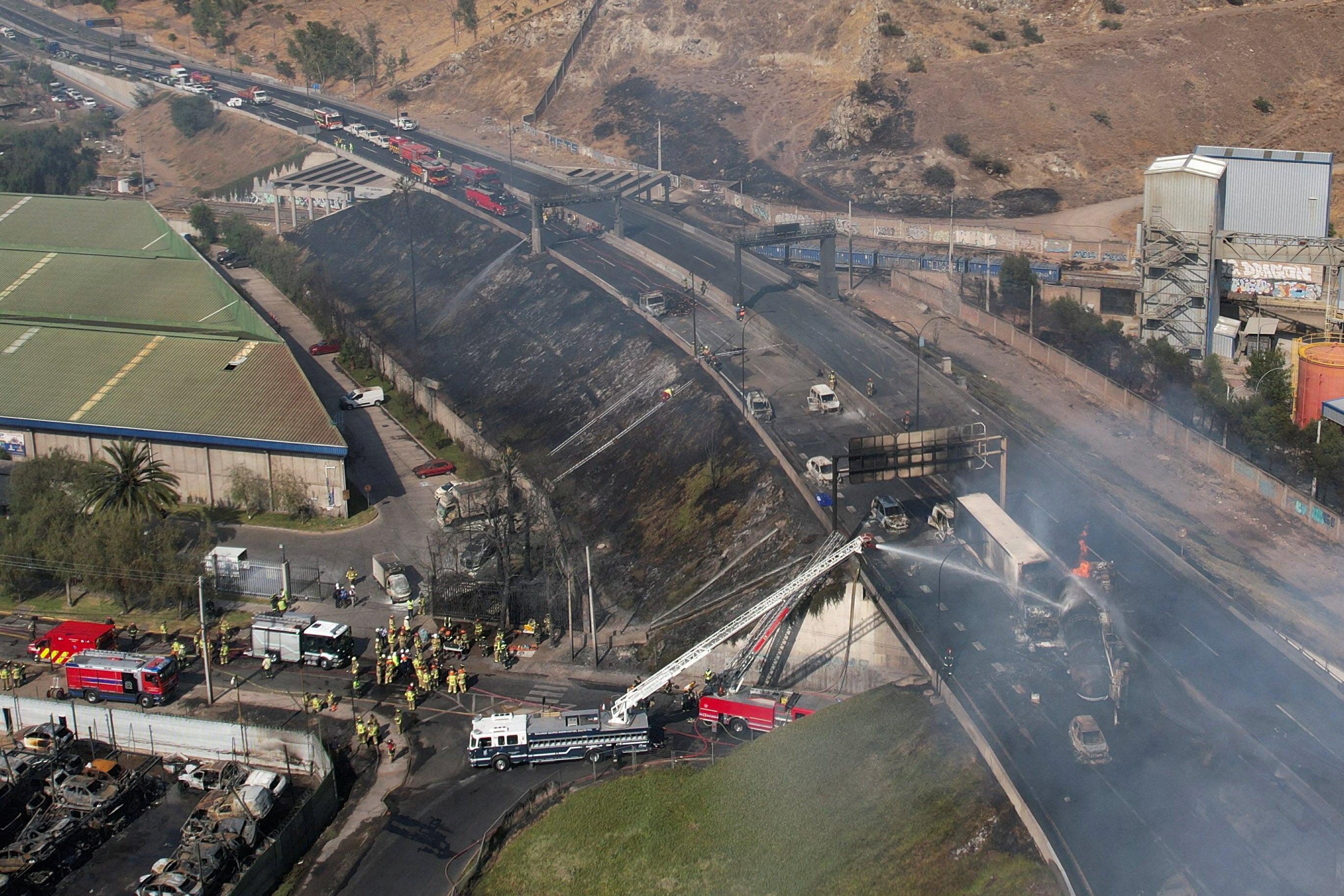 The driver of the vehicle, who reportedly lost control before the crash, is among the fatalities, a police chief stated (REUTERS)
REUTERS
The driver of the vehicle, who reportedly lost control before the crash, is among the fatalities, a police chief stated (REUTERS)
REUTERS
 Fox News Flash top headlines for February 19
foxnews.com
Fox News Flash top headlines for February 19
foxnews.com
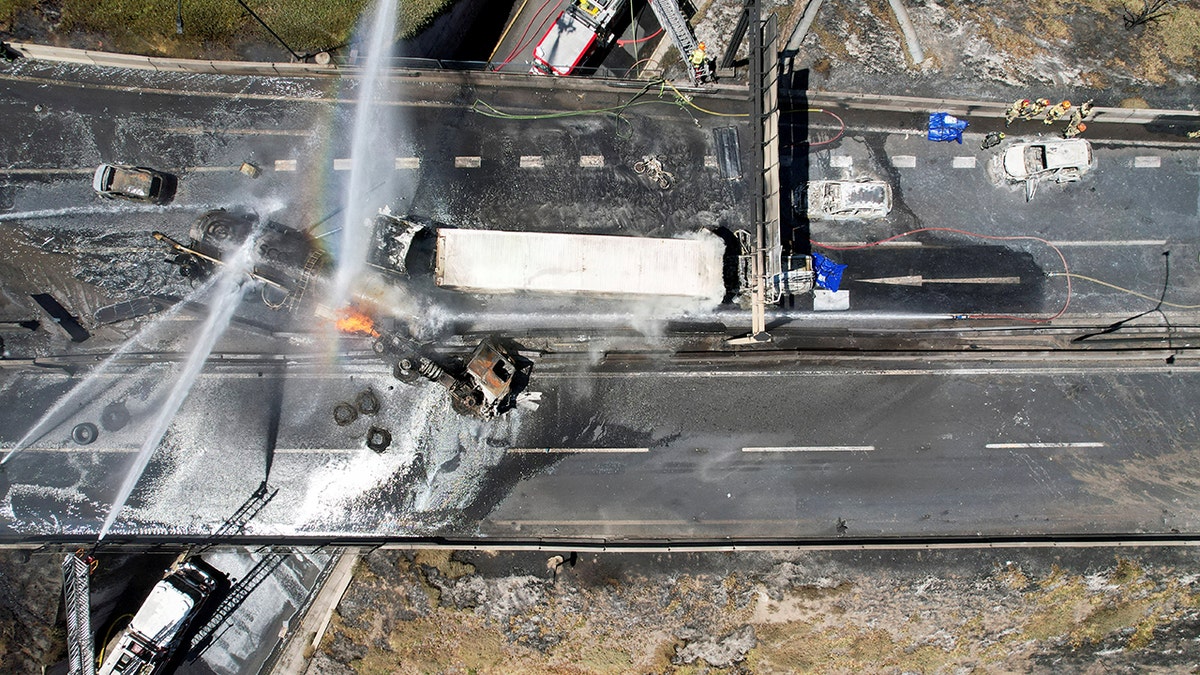 Firefighters put out fire following truck explosion in Chile
foxnews.com
Firefighters put out fire following truck explosion in Chile
foxnews.com
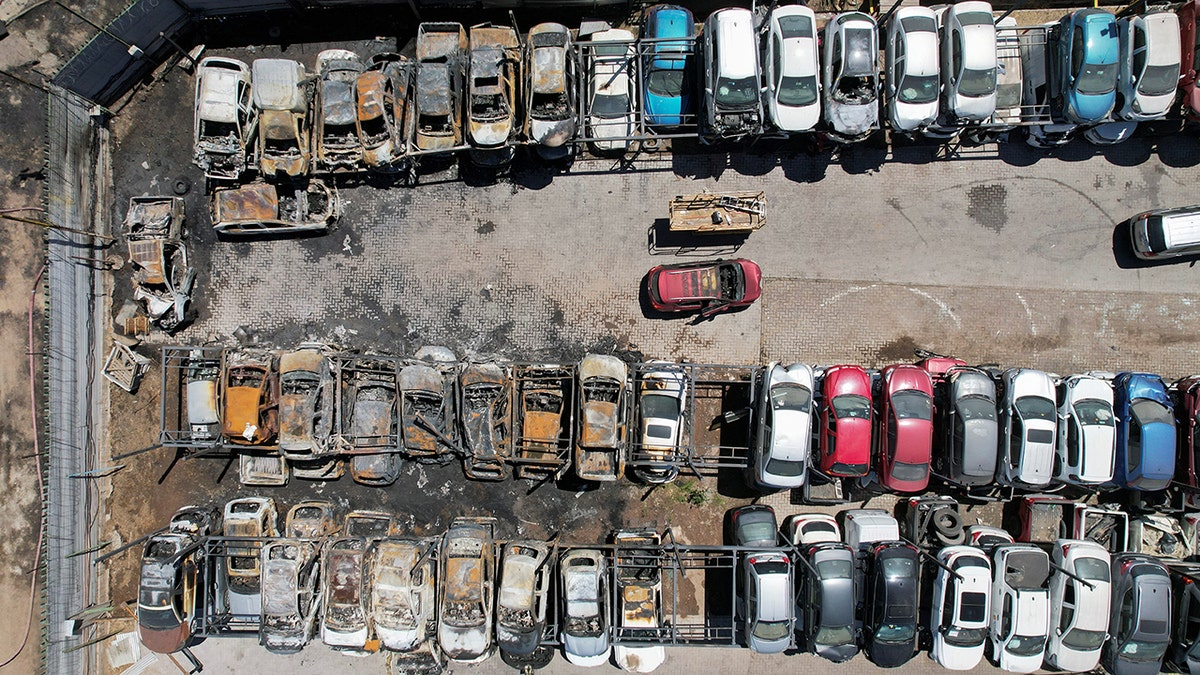 Vehicles burned in Chile following deadly truck explosion
foxnews.com
Vehicles burned in Chile following deadly truck explosion
foxnews.com
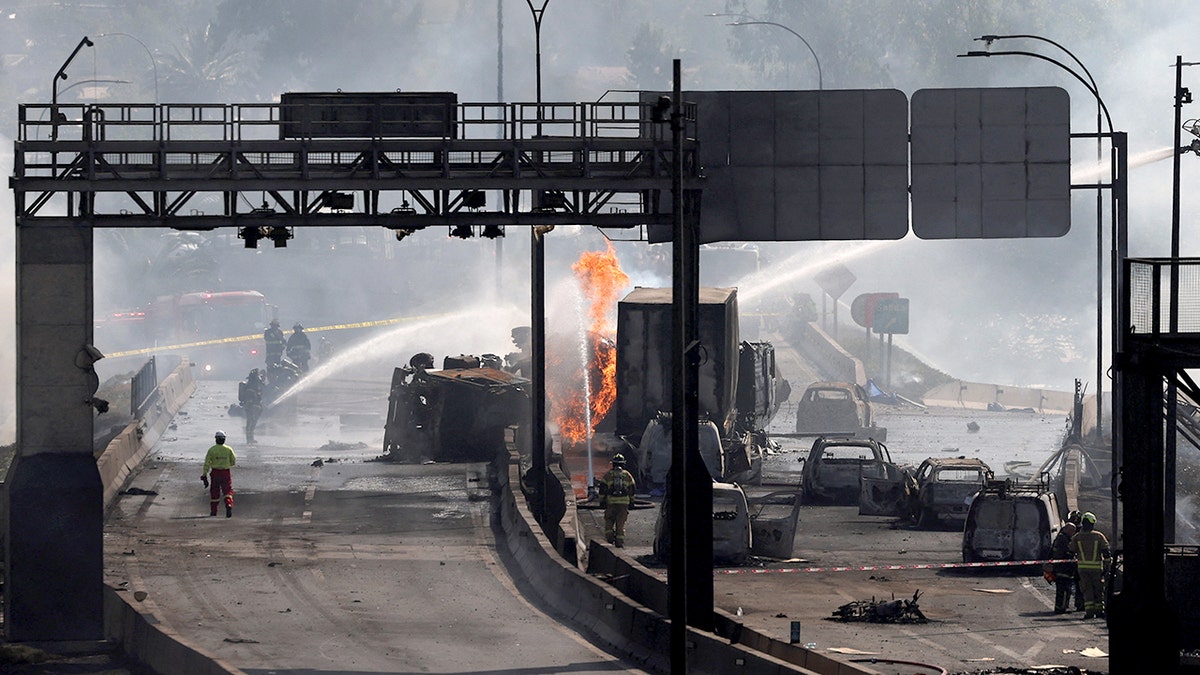 Firefighters put out blaze following truck explosion in Chile
foxnews.com
Firefighters put out blaze following truck explosion in Chile
foxnews.com
A liquefied gas truck flipped on a Santiago highway and turned a routine logistics run into a mass-casualty event.
At least four people were killed and 17 injured after a truck carrying liquid gas overturned and exploded in Renca, a northern commune of Chile’s capital, according to The Independent, citing local authorities. Reuters photos and reporting carried by Fox News show extensive damage: firefighters said the blast was felt within roughly 150–200 meters, and at least 50 vehicles were damaged—many apparently burned in place.
The driver, who reportedly lost control, was among the dead, police said. Prosecutors are investigating the cause. The truck was affiliated with Chilean gas company Gasco, which, per The Independent, had not responded to requests for comment.
Chile’s President Gabriel Boric said debris hit three local businesses, and authorities warned about smoke in the area, Fox News reports.
What safety regime governs hazardous materials transport when the state’s enforcement model is optimized for paperwork rather than outcomes?
Transporting liquefied petroleum gas (LPG) is not exotic. It is a mature industry with well-known failure modes: rollover risk, tank integrity under impact, valve and pressure-relief performance, driver fatigue, route planning, speed control, and emergency response coordination. A single point of failure can produce a fireball large enough to ignite dozens of nearby cars.
Yet modern regulatory systems often measure compliance through documentation—permits, checklists, inspection stamps—while the real-world risk is shaped by incentives: delivery schedules, contractor chains, maintenance budgets, and whether liability is actually borne by decision-makers rather than diffused across insurers and subcontractors.
This is where the state’s role becomes quietly perverse. If enforcement is sporadic and penalties are socialized (or litigated into oblivion), firms rationally treat safety as a cost center. If enforcement is heavy but formalistic, firms optimize for passing inspections rather than preventing rollovers.
The Santiago explosion also highlights a structural vulnerability: hazardous cargo routinely moves through dense urban infrastructure because cities are where demand is. When a major highway runs beside industrial zones and parking lots packed with vehicles, the blast radius becomes a multiplier.
Chile’s prosecutors will likely focus on immediate causality—speed, mechanical failure, driver error. But the deeper accountability question is whether the system prices the risk correctly. A regulatory state that can mandate forms but cannot reliably align incentives will keep producing the same headline, just with different wreckage.