
UN fact-finding mission: RSF siege of El Fasher shows hallmarks of genocide
Darfur atrocities documented as drone war and foreign backing continue
Images
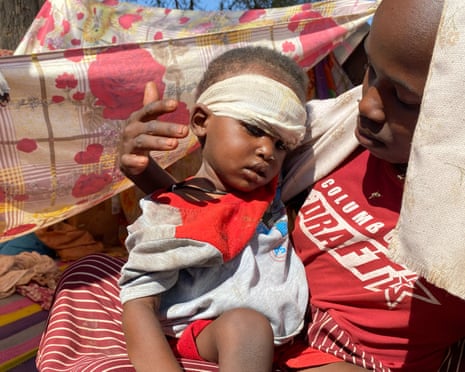 A Sudanese child who fled El Fasher with their family after the RSF attacked the western Darfur region receives treatment at a camp in Tawila. Photograph: Mohammed Abaker/AP
theguardian.com
A Sudanese child who fled El Fasher with their family after the RSF attacked the western Darfur region receives treatment at a camp in Tawila. Photograph: Mohammed Abaker/AP
theguardian.com
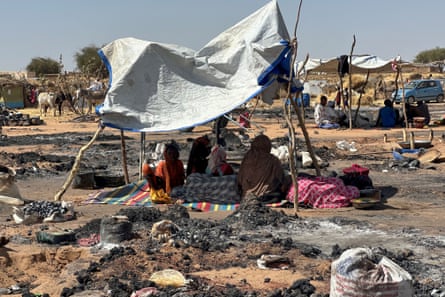 A massive fire at a displacement camp in Sudan killed one child, injured other people and left homeless hundreds who had already had to flee to escape the fighting ravaging the country. Photograph: AFP/Getty Images
theguardian.com
A massive fire at a displacement camp in Sudan killed one child, injured other people and left homeless hundreds who had already had to flee to escape the fighting ravaging the country. Photograph: AFP/Getty Images
theguardian.com
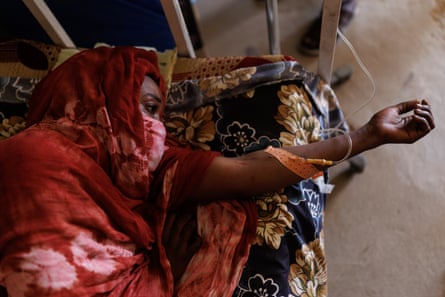 Sudanese refugee Jeda Abdullah is placed on a drip by a doctor at the Sudanese-run Hope and Haven for Refugees Association clinic in Adre, Chad. Photograph: Dan Kitwood/Getty Images
theguardian.com
Sudanese refugee Jeda Abdullah is placed on a drip by a doctor at the Sudanese-run Hope and Haven for Refugees Association clinic in Adre, Chad. Photograph: Dan Kitwood/Getty Images
theguardian.com
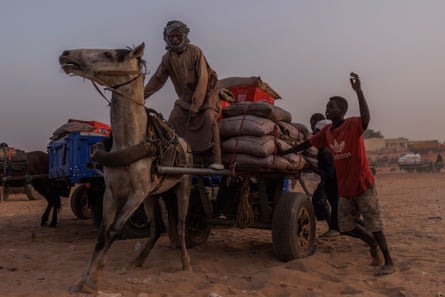 Goods being transported between a Sudanese border town and Adre in Chad. Photograph: Dan Kitwood/Getty Images
theguardian.com
Goods being transported between a Sudanese border town and Adre in Chad. Photograph: Dan Kitwood/Getty Images
theguardian.com
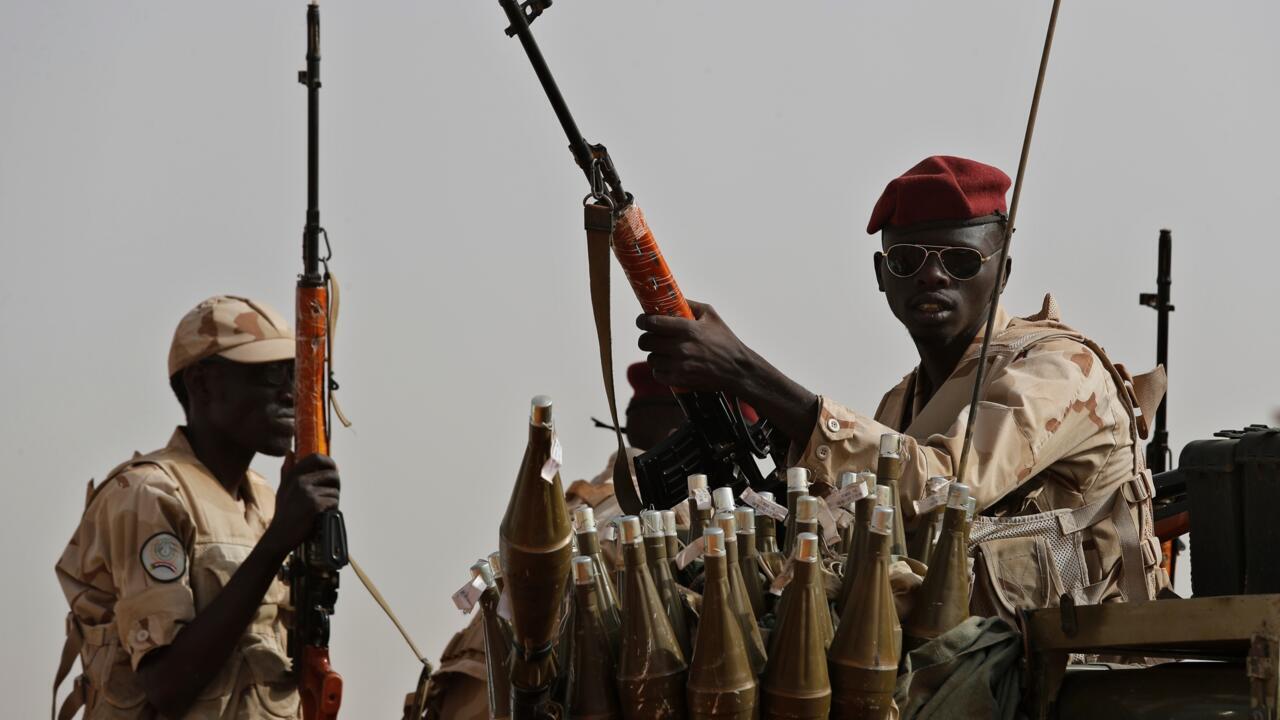 Mass killings of non-Arab civilians by RSF in Sudan's El-Fasher point to 'genocide', UN report says
france24.com
Mass killings of non-Arab civilians by RSF in Sudan's El-Fasher point to 'genocide', UN report says
france24.com
A UN-backed fact-finding mission says the Rapid Support Forces’ siege and capture of El Fasher, the capital of Sudan’s North Darfur state, bore “the hallmarks of genocide.”
According to The Guardian, the mission’s report concludes that the RSF and allied militias deliberately imposed conditions “calculated to bring about the physical destruction” of the Zaghawa and Fur communities. The chair of the mission, Mohamed Chande Othman, said the scale, coordination and public endorsement by senior RSF leadership show the atrocities were “not random excesses of war” but part of a planned operation.
France 24, citing the same UN findings, reports “mass killings of non-Arab civilians” in El Fasher pointing to genocide. The report describes an 18‑month ordeal culminating in the city’s fall last October and, after the takeover, “three days of absolute horror” in which thousands—particularly Zaghawa—were killed, raped, or disappeared, The Guardian writes.
The context is the collapse of a power-sharing cartel. Since April 2023, the RSF—commanded by Muhammad Hamdan Dagalo—has fought the Sudanese army under Abdel Fattah al‑Burhan, former allies who rose after the 2019 revolution that removed Omar al‑Bashir, per The Guardian. The RSF itself grew out of the Janjaweed militias, infamous for the early‑2000s Darfur campaign that killed hundreds of thousands and displaced millions.
The Guardian notes the RSF has been backed by the United Arab Emirates, which denies the allegation despite evidence compiled by the UN, independent experts and journalists. The Telegraph similarly reports the UN investigators’ genocide warning and details the siege’s targeting of ethnic communities.
Meanwhile, the war’s body count keeps compounding. The conflict has displaced about 11 million people and killed tens of thousands, triggering what the UN calls one of the world’s worst humanitarian crises, according to The Guardian.
The report’s release coincides with a new wave of drone strikes in Kordofan. UNICEF said at least 15 children were killed when a drone hit a displacement camp in West Kordofan; local rights defenders reported 28 more deaths in a market strike in North Kordofan, per The Guardian. Competing accusations follow: blame for the West Kordofan attack has been directed at the Sudanese army, while the RSF has been accused of the North Kordofan strike.
The UN mission calls for thorough investigation. The missing piece is what the mission cannot supply: a credible threat to those doing the killing and those financing it.