
Mysterious liver-failure deaths in Haryana village Chhainsa
Officials cite limited hepatitis positives amid higher local toll claims, state response defaults to screenings and plausible deniability
Images
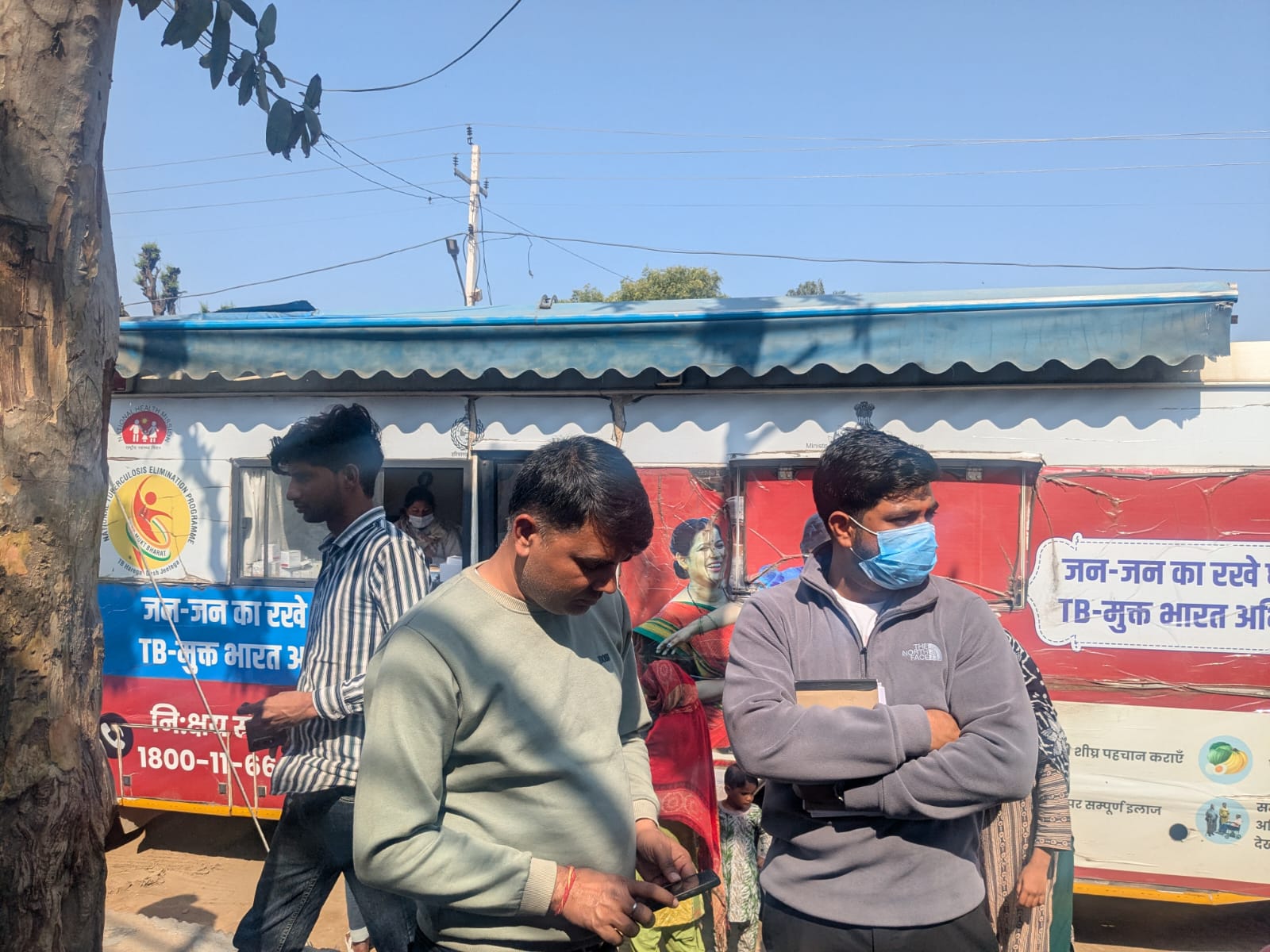 Chhainsa villagers line up to get their blood tests done amid a surge in sudden deaths (Namita Singh/The Independent)
Namita Singh/The Independent
Chhainsa villagers line up to get their blood tests done amid a surge in sudden deaths (Namita Singh/The Independent)
Namita Singh/The Independent
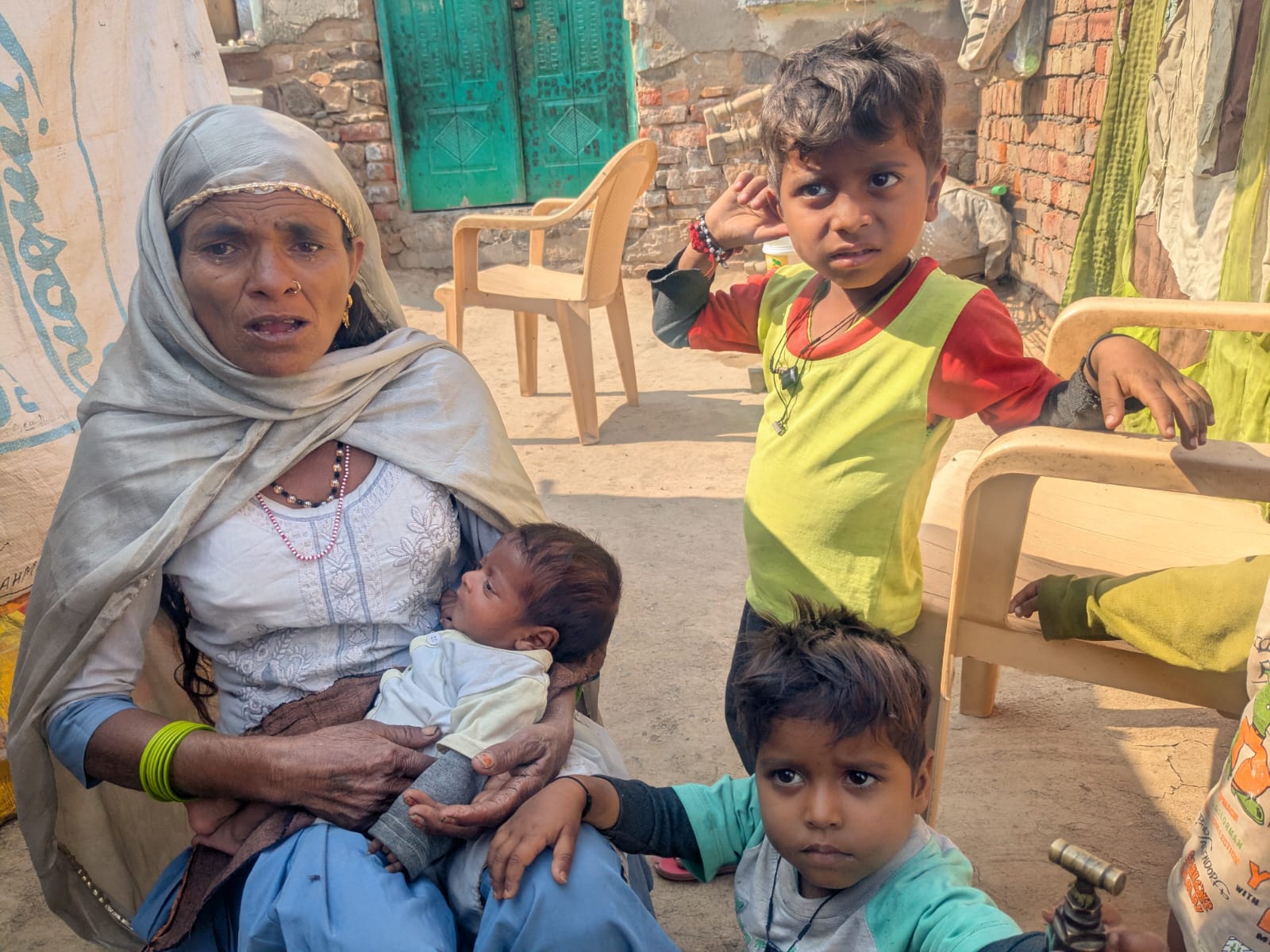 Mahendri, 60, with her grandchildren as she grieves the sudden death of her granddaughter Payal (Namita Singh/The Independent)
Namita Singh/The Independent
Mahendri, 60, with her grandchildren as she grieves the sudden death of her granddaughter Payal (Namita Singh/The Independent)
Namita Singh/The Independent
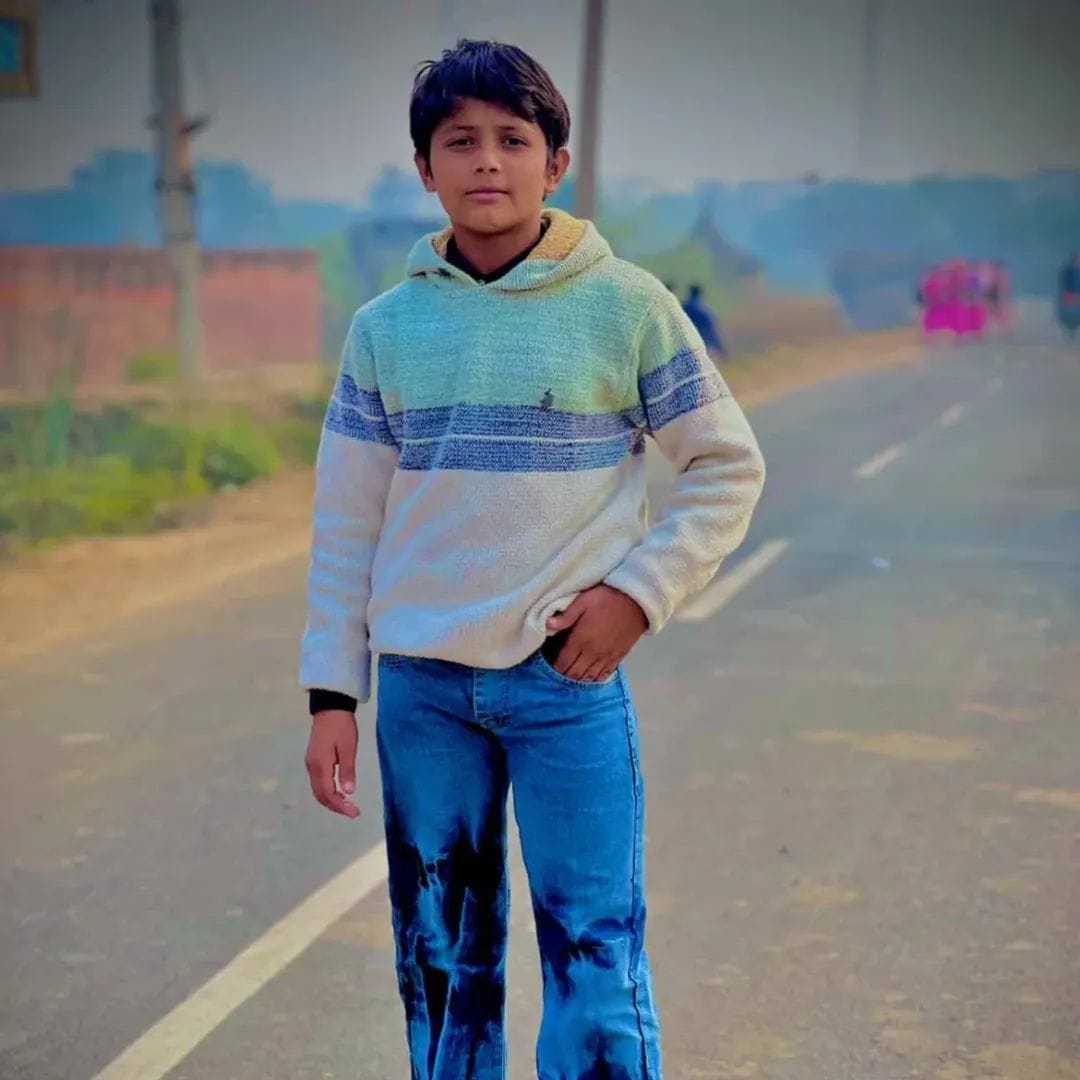 Sarik Khan, 14, died in January after complaining of sudden stomach ache (Supplied)
Supplied
Sarik Khan, 14, died in January after complaining of sudden stomach ache (Supplied)
Supplied
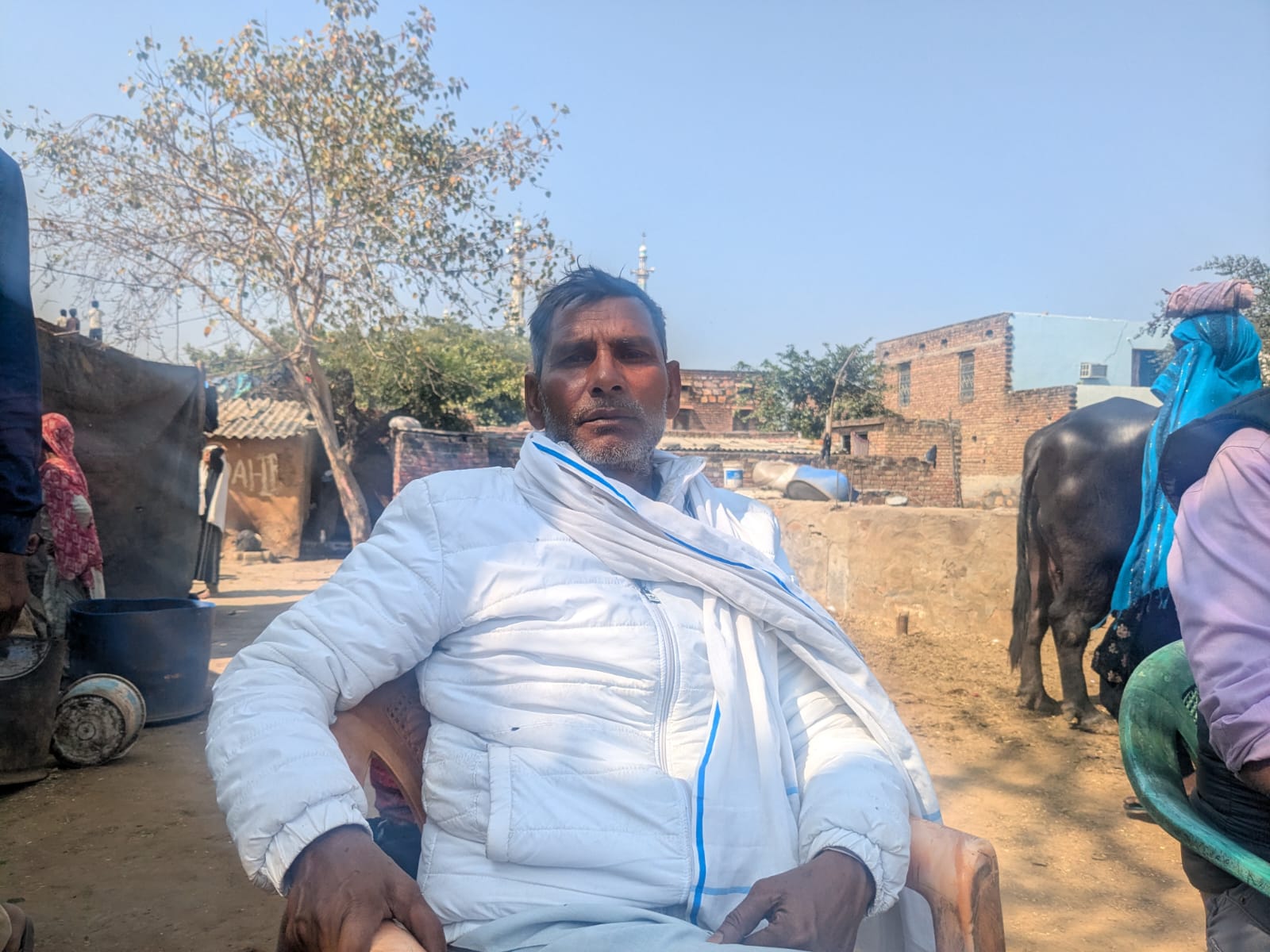 Arshad Hussain, 50, spoke of the suddenness of losing his nephew Sarik Khan, a day after the boy complained of fever and stomach ache (Namita Singh/The Independent)
Namita Singh/The Independent
Arshad Hussain, 50, spoke of the suddenness of losing his nephew Sarik Khan, a day after the boy complained of fever and stomach ache (Namita Singh/The Independent)
Namita Singh/The Independent
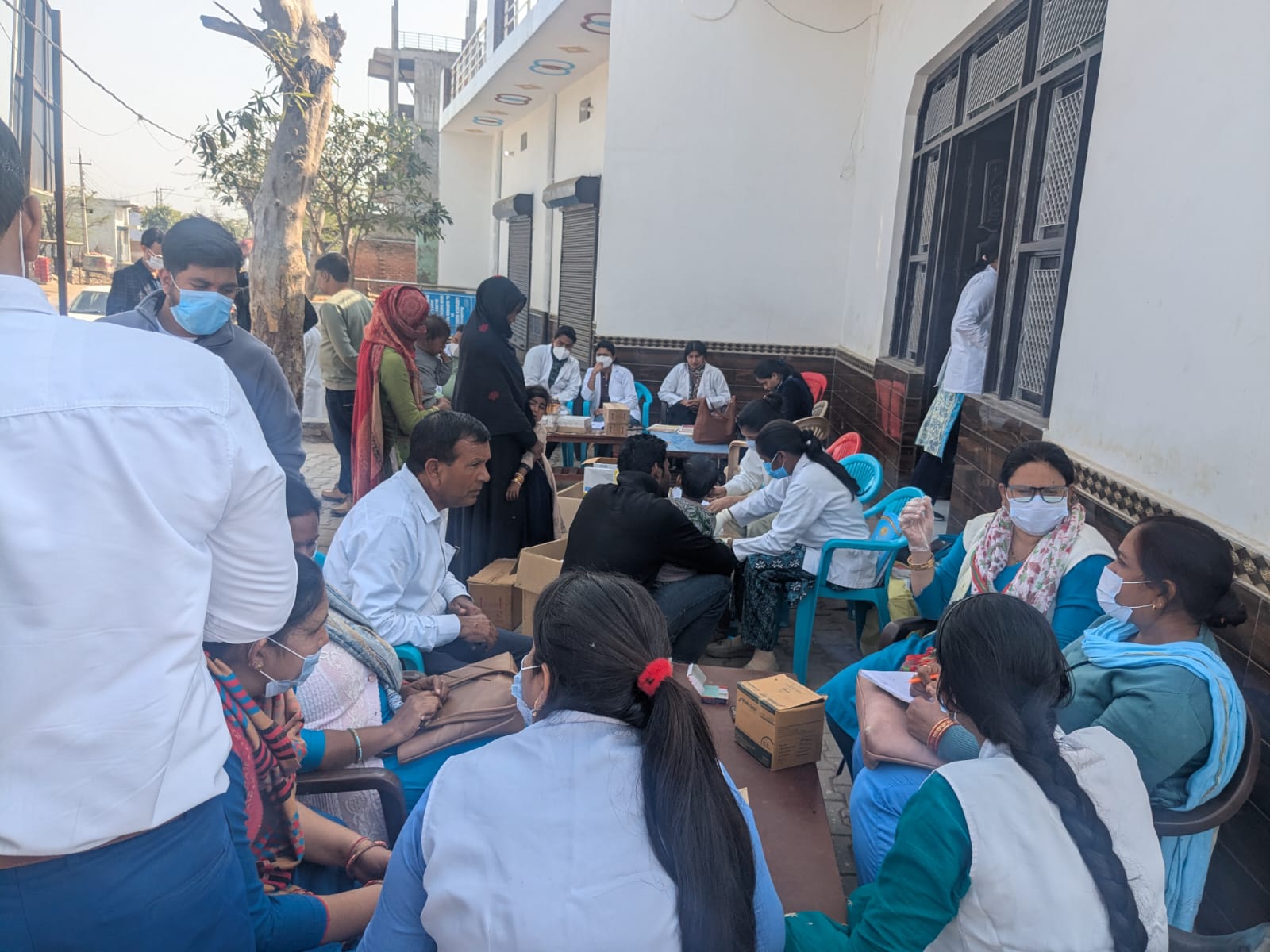 Healthcare workers screen villagers for hepatitis B and C at a medical camp in Chhainsa (Namita Singh/The Independent)
Namita Singh/The Independent
Healthcare workers screen villagers for hepatitis B and C at a medical camp in Chhainsa (Namita Singh/The Independent)
Namita Singh/The Independent
A cluster of sudden deaths in Chhainsa, a village in India’s Haryana state about 100 km from Delhi, is exposing the usual gap between what citizens experience and what the state is prepared to acknowledge. The Independent reports that villagers describe a string of fatalities—often children and young adults—following a rapid pattern: fever, abdominal pain and vomiting, then death from liver failure within roughly 36 to 48 hours.
Families interviewed by The Independent recount cases such as 11-year-old Huzzaifa, who developed a fever and died the next evening after being moved between facilities in Palwal and Faridabad. Another child, 10-year-old Payal, fell ill on February 3 and died early the next day. Locals repeatedly use the term “kalapeeliya,” a catch-all label that can refer to hepatitis B or C and jaundice.
Public health officials, however, have offered a narrower accounting. They put the number of deaths from liver disease at seven and say only four tested positive for hepatitis B, according to The Independent. Screening efforts have reportedly identified suspected hepatitis C cases as well, but the clinical picture described by residents—extremely rapid deterioration—does not neatly fit the slow-burn progression most people associate with viral hepatitis.
In the absence of a definitive cause, suspicion has turned to water quality. Across India, waterborne contamination events repeatedly surface as “mysteries” until a committee is formed, samples are taken, and responsibility diffuses into the administrative ether.
The state response so far looks like a focus on containment: door-to-door screening, medical camps, and competing numbers. Even the village’s primary health center is described as often lacking a doctor, pushing residents toward ad hoc camps and distant hospitals. That matters because the first question in any outbreak is not biomedical but institutional: who owns and maintains the water system, who tests it, how often, and what happens when results are bad?
Those questions point directly at liability—and at the legal insulation that public agencies typically enjoy. If contaminated water is the vector, the chain runs through procurement, chlorination, pipeline integrity, and testing regimes. Each link is a potential failure point, and each is usually managed by overlapping departments designed to ensure no single office can be held accountable.
Until authorities publish transparent toxicology and water-testing data with clear timelines and sampling methodology, the episode will remain unresolved—while families bury children and the bureaucracy collects forms.