
NASA flags Boeing Starliner as Type A mishap
Investigation blames NASA decision-making culture, safety process produces paralysis while SpaceX iterates hardware
Images
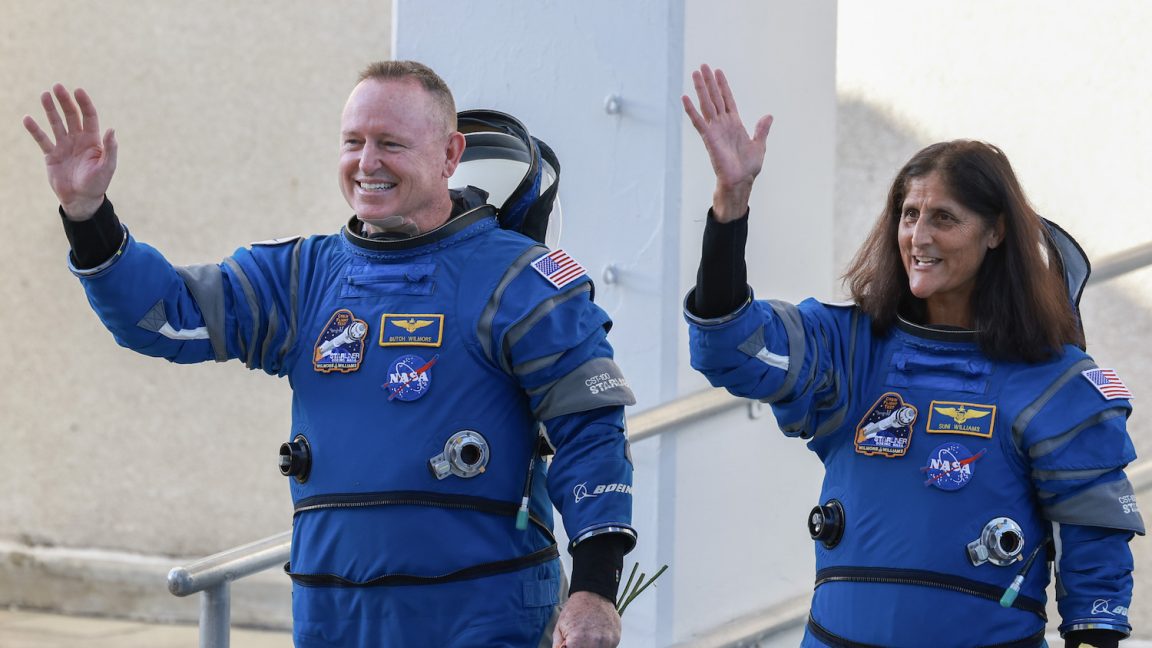 NASA chief classifies Starliner flight as "Type A" mishap, says agency made mistakes
arstechnica.com
NASA chief classifies Starliner flight as "Type A" mishap, says agency made mistakes
arstechnica.com
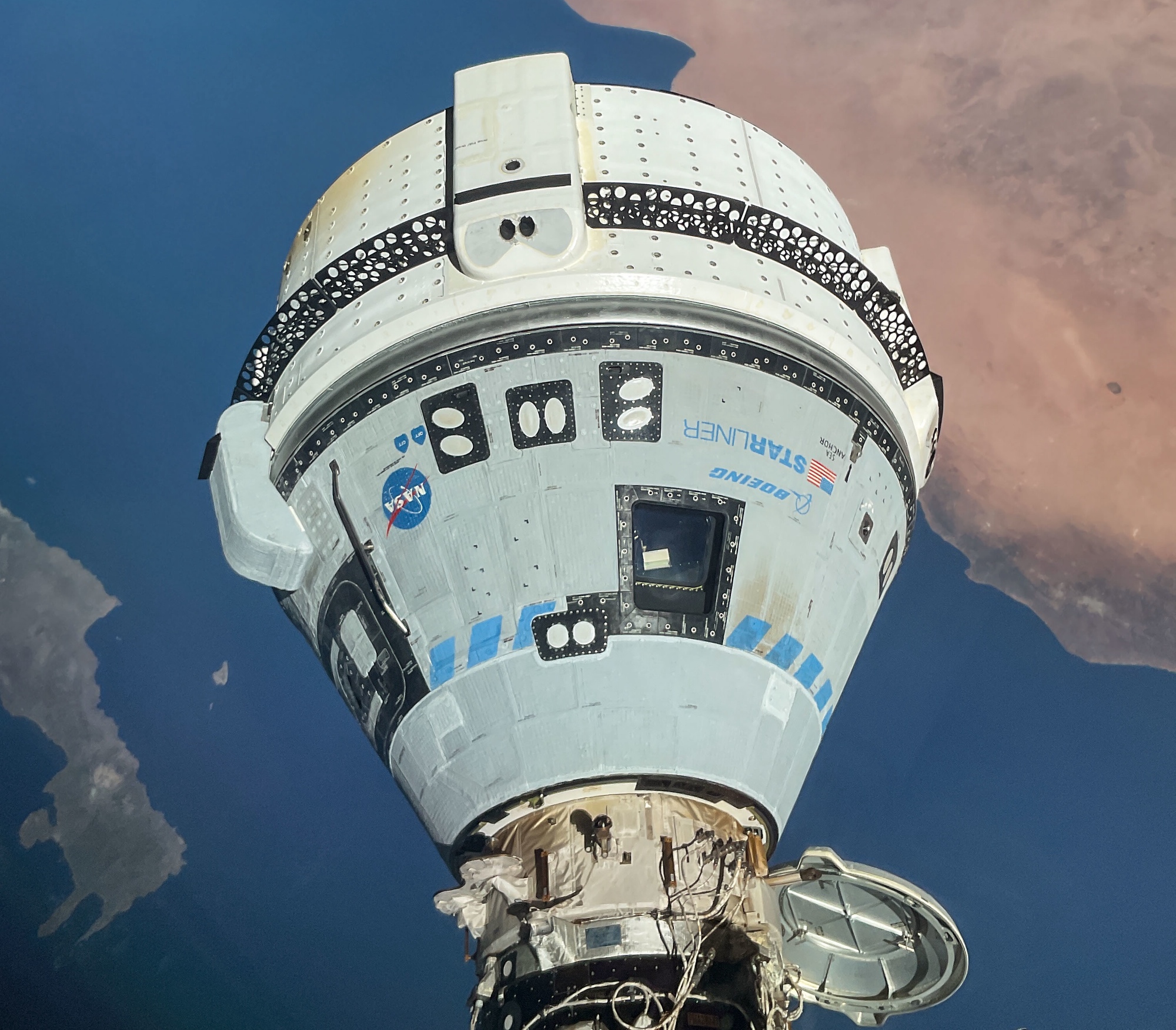 Starliner investigation identifies flawed NASA decision making
spacenews.com
Starliner investigation identifies flawed NASA decision making
spacenews.com
NASA has classified Boeing’s troubled Starliner crewed flight as a “Type A mishap,” the agency’s most serious internal category, and—rarely for a bureaucracy—has admitted it made mistakes. According to Ars Technica, NASA administrator Bill Nelson said the agency’s own decisions contributed to the failure, while SpaceNews reports the investigation pointed to “flawed NASA decision making” as a core factor.
The details read less like a single technical defect and more like how modern safety culture can mutate into institutional paralysis. Starliner’s problems—thruster anomalies, helium leaks, and a cascade of risk calls—were not merely engineering surprises. The investigation, per SpaceNews, highlighted decision pathways that were unclear, overly layered, and prone to late-stage reversals. The system optimized for process compliance over timely accountability.
NASA’s “Type A” label signals high stakes, but the more revealing admission is that the agency itself helped create the conditions for a high-profile failure. When responsibility is diffused across boards, panels, and sign-off chains, the safest personal move for any individual is to escalate and document. That produces exactly what Starliner has become famous for: PowerPoints, meetings, and “additional analysis” that arrives just in time to delay the next milestone.
Contrast this with SpaceX’s approach to human spaceflight, where iteration is fast, hardware is plentiful, and failure is treated as data—up to the point where humans are actually onboard. NASA’s Commercial Crew program was supposed to buy redundancy by funding two providers. Instead, it has bought a split-screen demonstration of two governance models: one where engineering is subordinate to contracting and risk committees, and another where engineering is the product.
The consequence is strategic, not just embarrassing. US crew access to low Earth orbit is now functionally tied to the provider that can execute, not the provider that can win procurement cycles. Starliner’s repeated delays and high-cost rework risk turning Boeing into a permanent “second option” that exists mostly to satisfy congressional geography and the comforting fiction of competition.
NASA can call the incident a “Type A mishap,” but the diagnosis is broader: the agency has built a safety bureaucracy so elaborate that it can’t reliably decide what it believes in time to fly. If the agency responds by adding another layer, the next mishap will be Type A too—only with better documentation.