
Trump administration subsidizes coal plant life extension
DOE directs $175 million to six facilities amid AI-driven load growth, Energy scarcity answered with political favoritism
Images
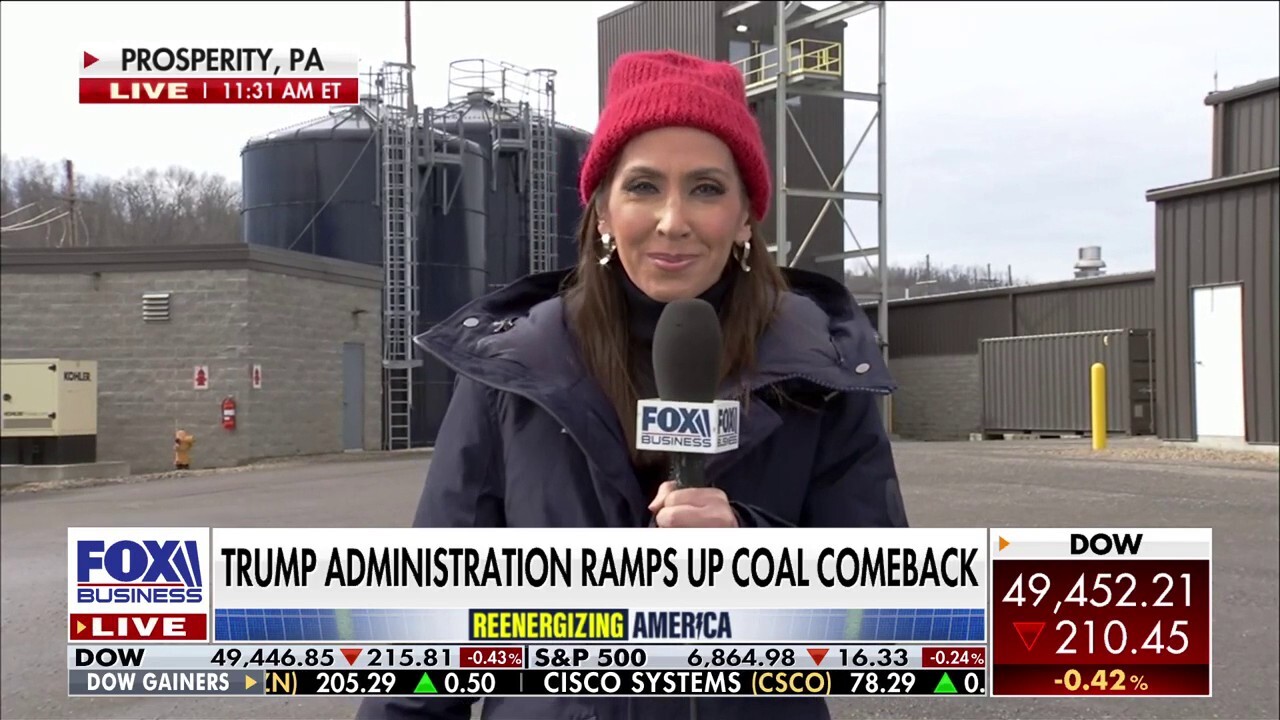 FOX Business' Lauren Simonetti takes viewers deep inside a working coal mine as officials push to expand production to meet surging electricity demand driven by data centers, EVs and electrification.
foxbusiness.com
FOX Business' Lauren Simonetti takes viewers deep inside a working coal mine as officials push to expand production to meet surging electricity demand driven by data centers, EVs and electrification.
foxbusiness.com
 Coal power plant from a city street
foxbusiness.com
Coal power plant from a city street
foxbusiness.com
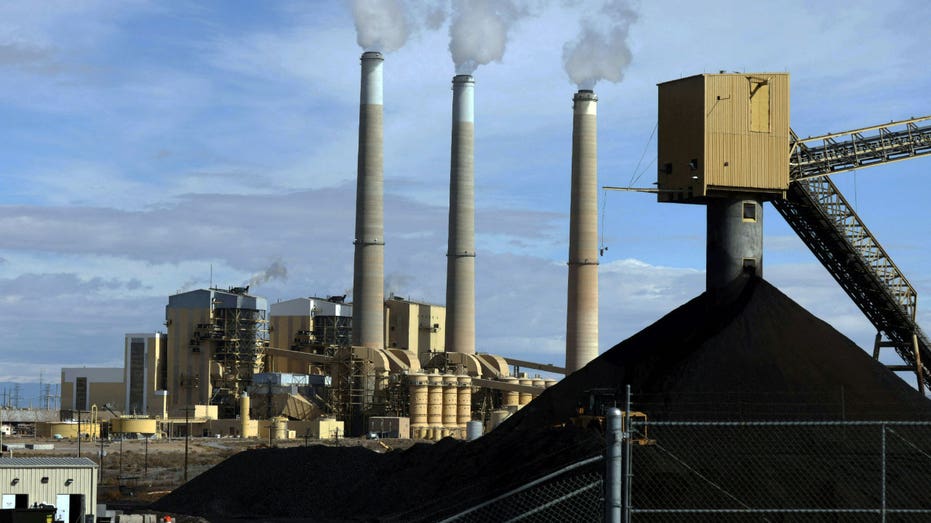 A view of a coal-powered energy station.
foxbusiness.com
A view of a coal-powered energy station.
foxbusiness.com
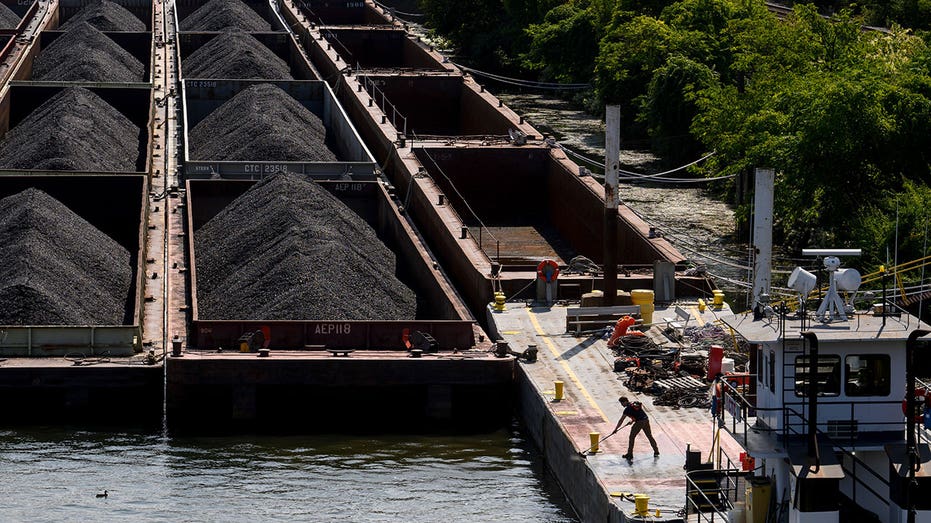 Coal on barges in Pittsburgh, US, on Monday, Sept. 9, 2024. Weekly US coal production was down 13.8% year-to-date for the week ending on August 31 according to the Department of Energy. Photographer: Justin Merriman/Bloomberg via Getty Images
foxbusiness.com
Coal on barges in Pittsburgh, US, on Monday, Sept. 9, 2024. Weekly US coal production was down 13.8% year-to-date for the week ending on August 31 according to the Department of Energy. Photographer: Justin Merriman/Bloomberg via Getty Images
foxbusiness.com
The Trump administration is escalating its attempt to keep coal plants running, marketing it as “energy security” for an economy suddenly discovering that AI data centers draw real electricity, not vibes. Fox Business reports the Department of Energy will provide $175 million to modernize, retrofit and extend the life of six coal-fired power plants — part of a broader $525 million effort.
The plants listed are in West Virginia (Letart, Winfield, Maidsville), Ohio (Brilliant, Cheshire), North Carolina (a Duke Energy facility in Stokes County’s Sauaratown Township), and Kentucky (Ghent). The official line, per Energy Secretary Chris Wright, is that prior administrations waged a “war on coal,” closed “reliable” plants, and raised prices — and that the fix is to subsidize life-extension projects to keep “dependable” capacity online.
Coal’s decline is not a mystery requiring a federal rescue mission. Fox cites EIA data showing coal generation peaked in 2007 at 2,016 billion kWh and fell to 675 billion kWh by 2023, when coal’s share of electricity generation was 16.2%. Natural gas surpassed coal in 2016 and generated 43.1% of US electricity in 2023.
What’s new is the political opportunity: the AI boom provides a convenient justification to convert grid stress into targeted favors. If interconnection queues are long and transmission is constrained, the market response would normally be higher prices, new generation, storage, and faster permitting for whatever can clear. Washington’s response is to pick a legacy technology and write checks.
Subsidizing coal plant life extension is not just about electrons; it is about rents. Retrofits, efficiency upgrades, and “modernization” contracts flow to specific utilities and vendors. The costs are socialized, while the benefits — continued operation, reduced competitive pressure, and political credit for “saving jobs” — are concentrated.
The uncomfortable part is that the policy implicitly admits the regulatory state helped manufacture scarcity. If it truly takes “five-plus years” to connect large loads and generation to the grid in many regions, the bottleneck is not physics alone; it is permitting, planning, and monopoly utility governance. Instead of deregulating buildout and letting entrepreneurs compete to supply power, the state reaches for executive-branch industrial policy.
Coal may well remain part of the mix in some regions. But doing it through DOE-directed subsidies and political messaging about an “AI race” is a predictable pattern: when planning fails, the answer is more planning — plus a transfer to whoever has the best access to the planners.