
US trade deficit widens in December despite tariff escalation
Imports surge as firms front-run duties, Mercantilism collides with balance-of-payments arithmetic
Images
 US trade deficit swells in December as imports surge
aljazeera.com
US trade deficit swells in December as imports surge
aljazeera.com
 globalnews.ca
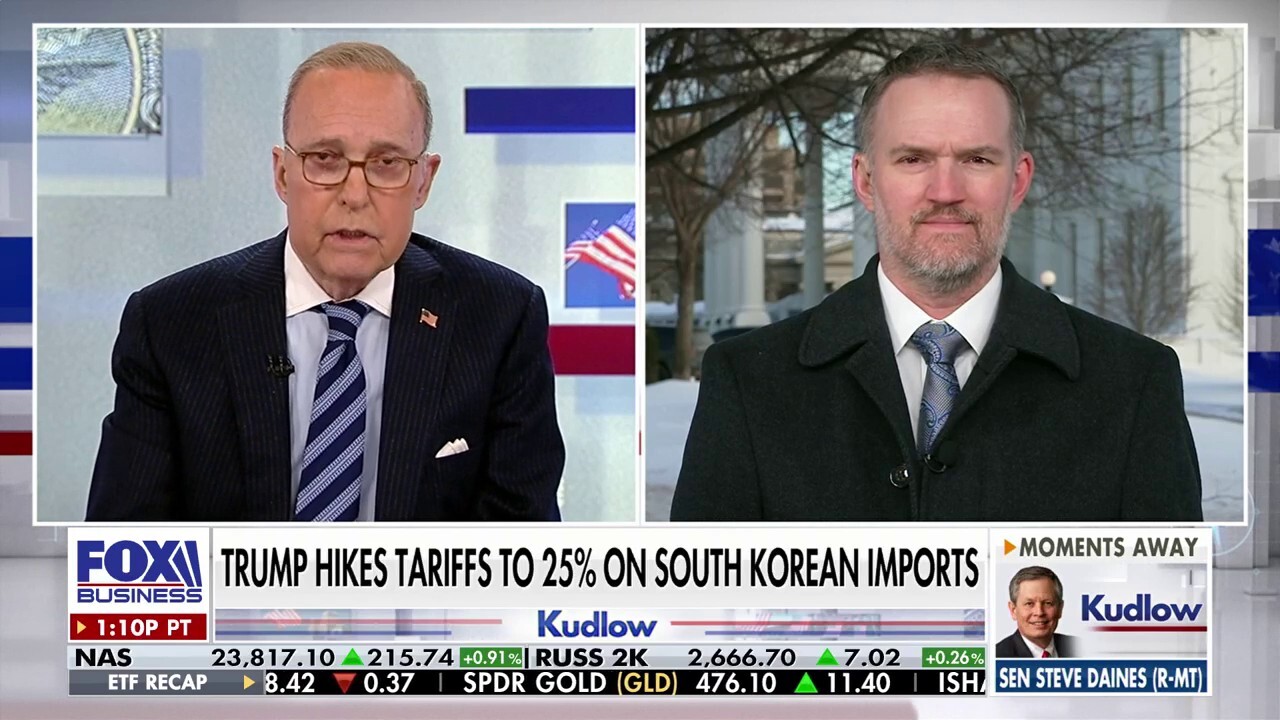 U.S. Trade Representative Jamieson Greer discusses President Donald Trump’s decision to raise tariffs on South Korea and a trade agreement between India and the EU on ‘Kudlow.’
foxbusiness.com
U.S. Trade Representative Jamieson Greer discusses President Donald Trump’s decision to raise tariffs on South Korea and a trade agreement between India and the EU on ‘Kudlow.’
foxbusiness.com
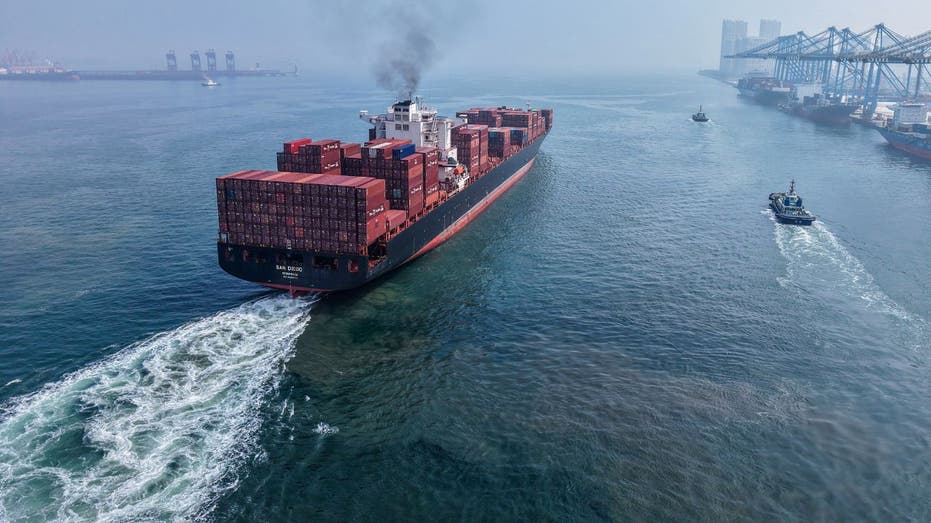 A container ship leaves a Chinese port.
foxbusiness.com
A container ship leaves a Chinese port.
foxbusiness.com
 Click to play video: 'American customer on the hook for hefty tariff bill after buying a shirt from an Alberta store'
globalnews.ca
Click to play video: 'American customer on the hook for hefty tariff bill after buying a shirt from an Alberta store'
globalnews.ca
 globalnews.ca
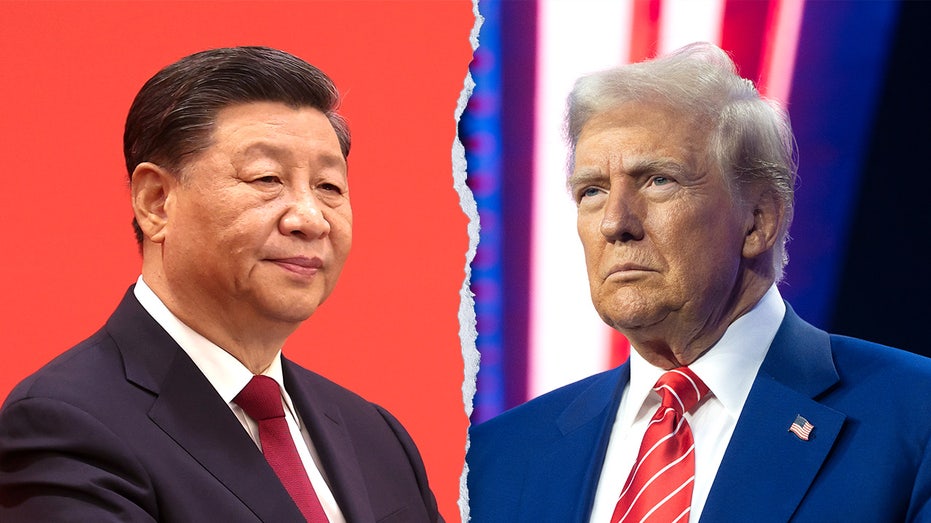 Split image of Chinese President Xi Jinping, left, and President Donald Trump, right.
foxbusiness.com
Split image of Chinese President Xi Jinping, left, and President Donald Trump, right.
foxbusiness.com
 globalnews.ca
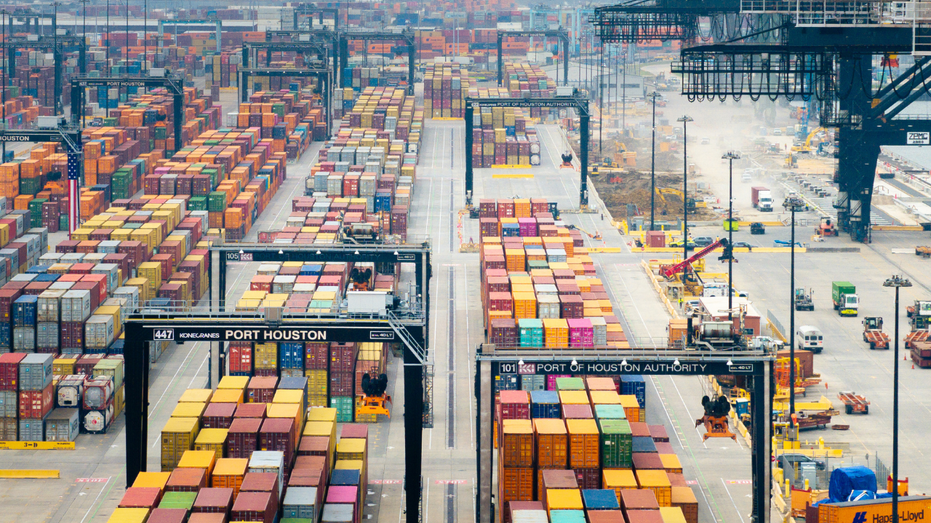 An aerial view of shipping containers at the Port of Houston
foxbusiness.com
An aerial view of shipping containers at the Port of Houston
foxbusiness.com
Al Jazeera reports the US trade deficit widened in December as imports surged — a neat punchline to Washington’s latest tariff binge. The political sales pitch is always the same: slap duties on foreigners, watch factories roar back, and enjoy a smaller deficit. The accounting identity is always the same too: a country running large capital inflows and large fiscal deficits runs a trade deficit, regardless of how many times politicians rediscover mercantilism.
The December deterioration was driven by a jump in imports rather than a collapse in exports, according to the Al Jazeera summary of the data. That detail matters. When tariffs are announced, companies don’t wait around to see how Customs interprets the fine print; they front‑run. Importers accelerate shipments to beat effective dates, manufacturers stockpile components, and retailers pull forward inventories. The result is a short-term spike in measured imports that can make the deficit look “worse” precisely because tariffs are being “tough.”
Even when the front‑running fades, tariffs mostly reshuffle supply chains. A tariff on Country A rarely produces a one-for-one substitution into domestic production; it reroutes sourcing through Country B, change invoice classifications, or push final assembly across borders to exploit rules of origin. The deficit can shift across partners and product categories, while the macro balance barely budges.
The deeper driver is that the trade balance is the mirror image of national saving and investment. If the US government runs persistent deficits while the private sector consumes strongly and global capital continues to treat dollar assets as the world’s default parking lot, the current account will remain negative. Tariffs can change relative prices at the margin; they cannot repeal the fact that foreigners are willing to finance American consumption and American fiscal policy.
The deficit widening is often interpreted in Washington as proof that tariffs should be higher, broader, and administered by more agencies with more discretion. Meanwhile, firms respond rationally: they spend money on compliance staff, customs lawyers, and supply-chain gymnastics — deadweight costs that don’t build anything except an industry devoted to navigating political risk.
If policymakers actually wanted a smaller trade deficit, they would have to confront the sources of excess domestic demand and capital inflows: fiscal looseness, monetary stance, and the US role as issuer of the reserve currency. That conversation is politically painful. It’s much easier to pretend the problem is foreigners shipping too many goods — and then act surprised when the deficit grows after everyone rushes to import before the next round of “tough” measures.