
Denmark detains Iran-flagged container ship over registry doubts
Western escalation shifts from declarations to port paperwork, coercion scales quietly when law becomes logistics
Images
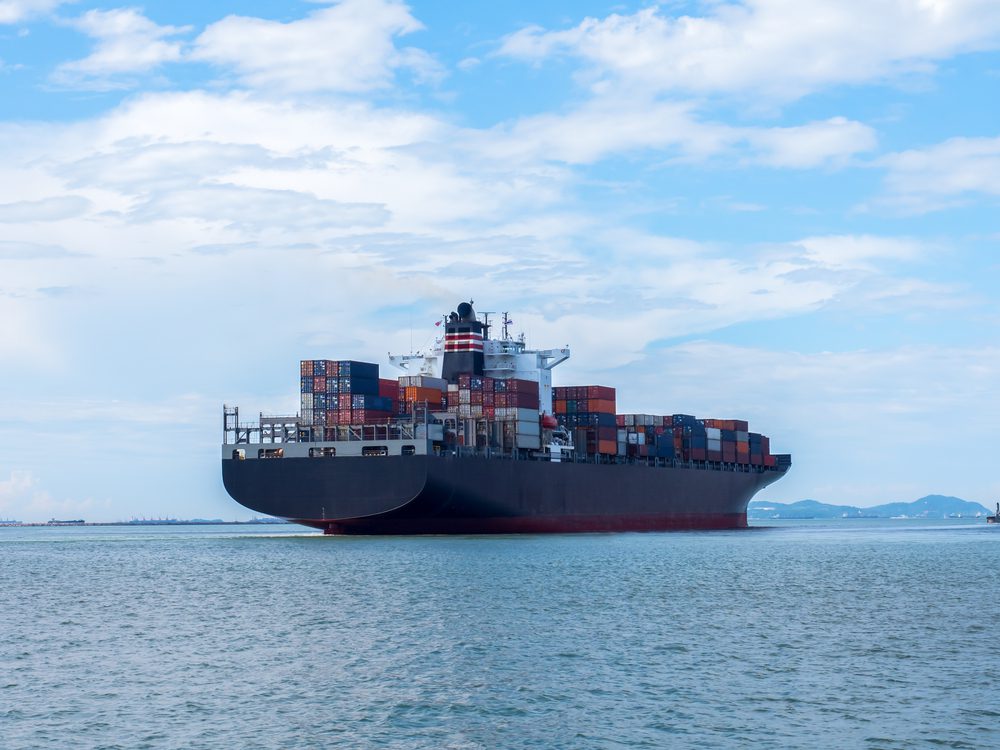 Denmark Holds Iran-Flagged Containership Over Registration Concerns
gcaptain.com
Denmark Holds Iran-Flagged Containership Over Registration Concerns
gcaptain.com
The West’s Iran escalation is increasingly being waged with clipboards, not cannons.
Denmark has held an Iran-flagged container ship on “registration concerns,” according to gCaptain, a move that sounds like maritime bureaucracy until you remember that flags, registries, and port-state control are the arteries of global trade. If you can interrupt a ship’s legal status, you can interrupt its insurance, financing, cargo handling, and onward routing—without ever needing to say the word “blockade.”
Copenhagen has not framed the detention as a geopolitical act; that is the point. Modern coercion is most effective when it can be described as compliance. Port authorities and regulators can freeze a vessel’s movement by questioning paperwork, ownership structures, or registry validity—tools designed for safety and fraud prevention that also happen to be exquisitely useful for sanctions-era power projection.
At the same time, the UK is reportedly refusing to allow the Trump administration to use RAF Fairford in Gloucestershire or the joint UK-US base on Diego Garcia for strikes on Iran. The Evening Standard, citing the Times, reports that the Starmer government’s position is tied to concerns about international law: that a state providing support with knowledge of an internationally wrongful act may share responsibility. The limiting factor on bombing is not aircraft availability but legal exposure—and the UK’s signature on the permission slip.
That legalistic friction is colliding with an overt US military buildup. The Japan Times reports the US has surged warships, fighter jets, and refueling aircraft into the Middle East, creating the conditions for a sustained campaign against Iran if President Donald Trump gives the order. Analysts quoted by the paper warn that “so much firepower” can create “momentum of its own”—a polite way of saying that once you’ve paid to position the assets, the political threshold for using them drops.
Put these threads together and you get the real structure of contemporary state power: war-by-default through prepositioned force, and pressure-by-design through administrative choke points. One side of the escalation ladder is a carrier strike group; the other is a port inspector with a question about a flag-state registry.
The state’s most dangerous feature is not its rhetoric but its capacity to reclassify ordinary life as regulated terrain. Shipping, basing rights, and “routine” compliance regimes become the infrastructure of coercion. No formal declaration is required; the machinery is already built.
Governments insist these are rules-based systems—even as they demonstrate how easily “rules” can be dialed up into quasi-war measures. If the next phase of the Iran confrontation arrives, it may begin not with a missile launch, but with a detention notice at a European quay.