
AI-generated headshots boom as career signaling product
McConaughey warns actors to control likeness rights, Cheap replication pushes institutions toward more identity control
Images
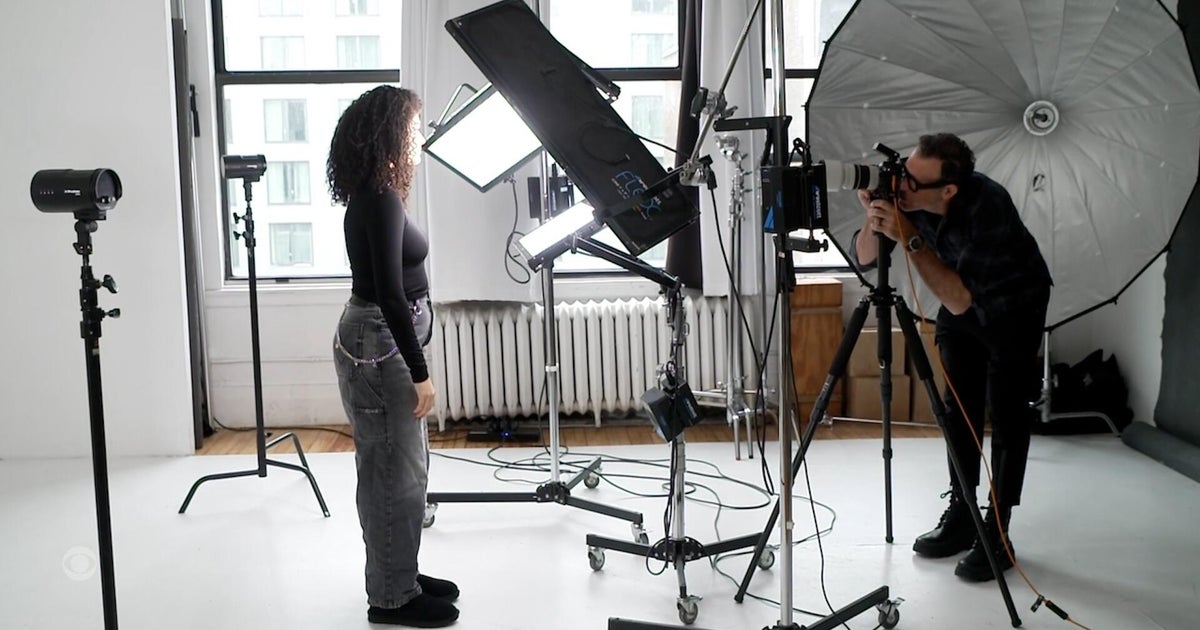 AI-generated headshot market is booming
cbsnews.com
AI-generated headshot market is booming
cbsnews.com
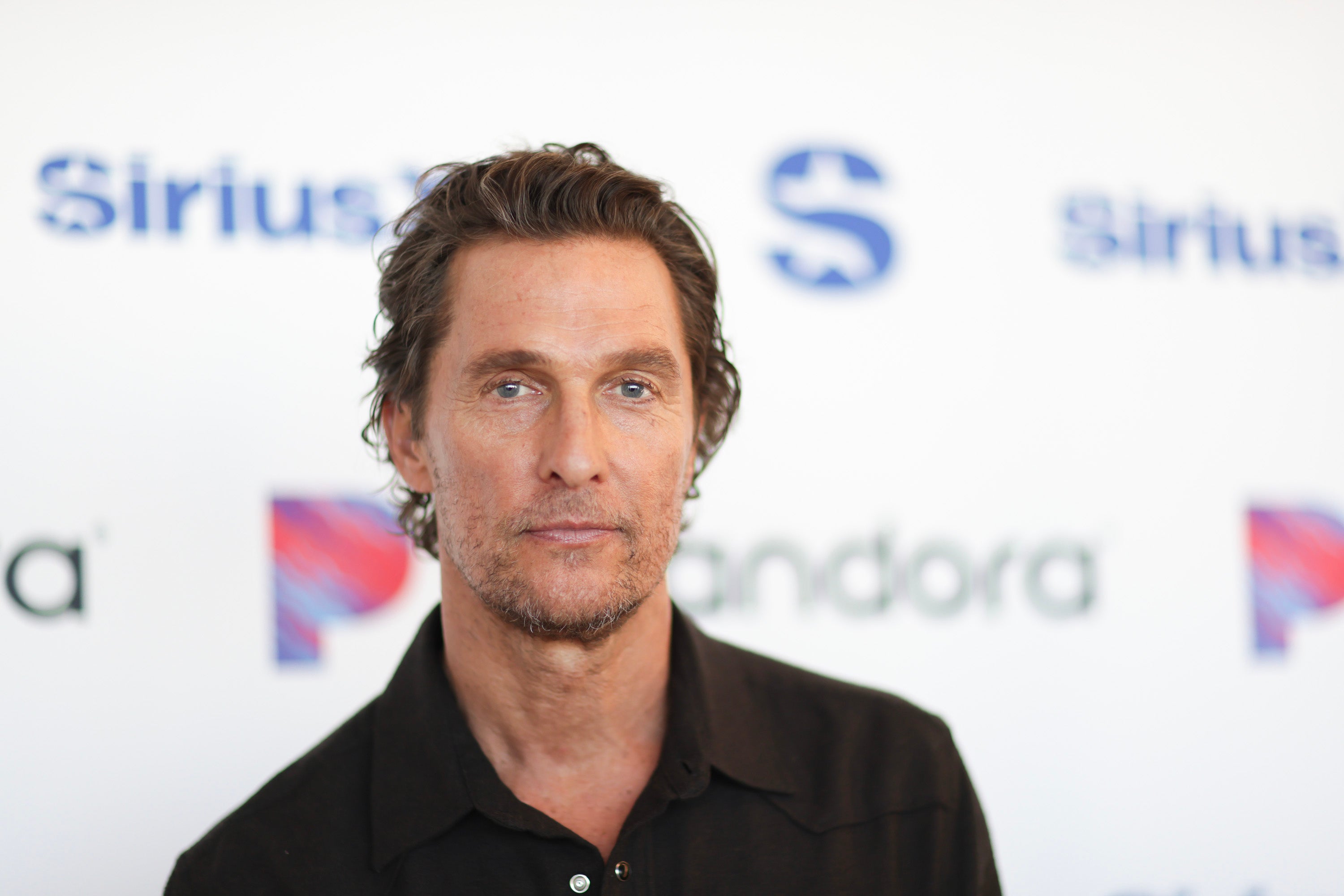 Matthew McConaughey says AI will ‘infiltrate’ different categories during awards season (Getty)
Getty
Matthew McConaughey says AI will ‘infiltrate’ different categories during awards season (Getty)
Getty
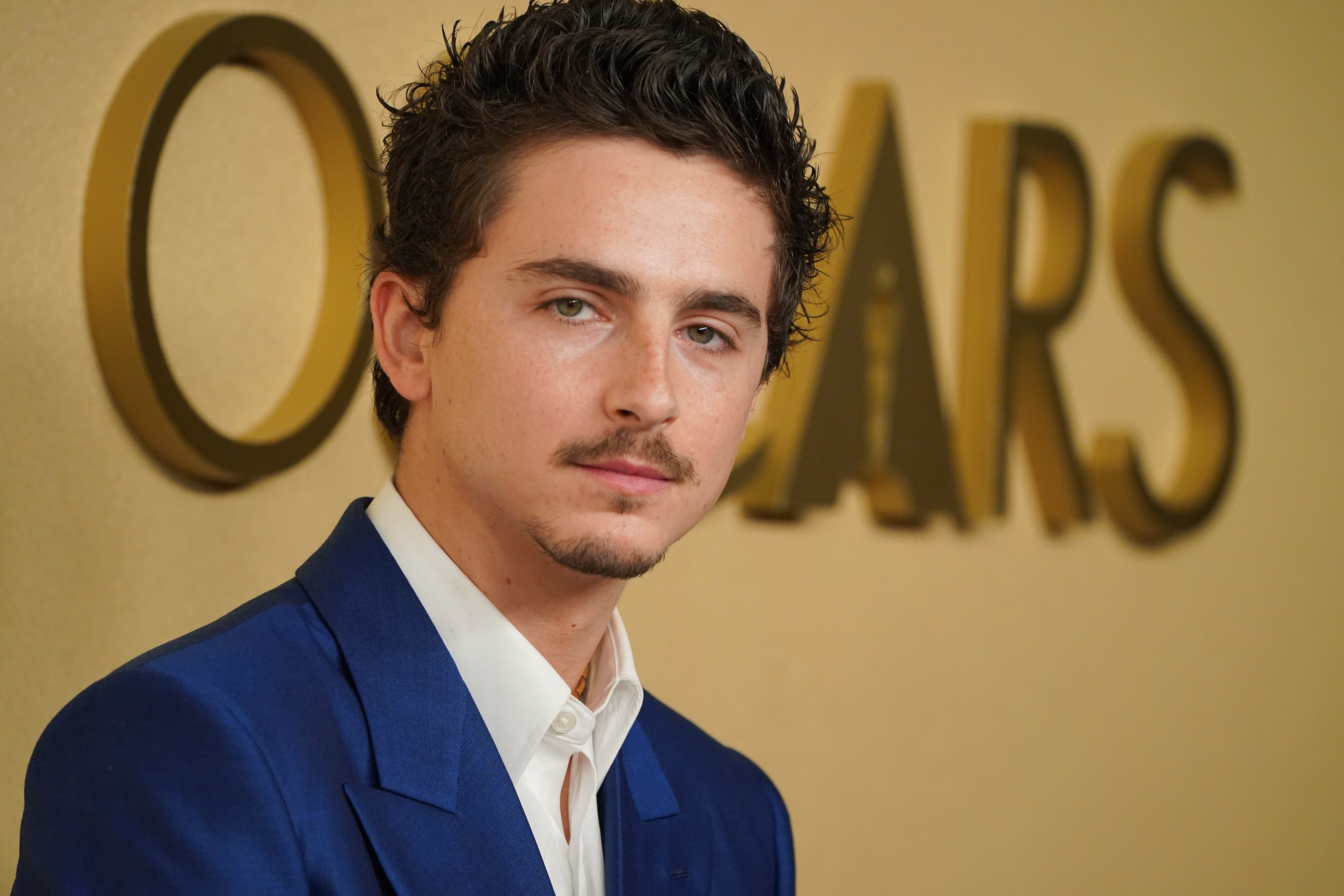 McConaughey spoke to Timothée Chalamet about the impacts of AI on Hollywood (Invision)
Invision
McConaughey spoke to Timothée Chalamet about the impacts of AI on Hollywood (Invision)
Invision
A booming market for AI-generated headshots is colliding with a more old-fashioned problem: who owns your face when it becomes a reusable asset.
CBS News reports that AI headshot services are surging as professionals buy new portraits for LinkedIn profiles, job applications, and general career “signaling.” The product is essentially a bundle of synthetic images generated from a user’s uploaded photos, often sold as cheaper and faster than a traditional photographer. The demand makes sense: headshots are the modern résumé watermark — a small, recurring purchase that is irrationally important in a status economy.
But this convenience is also a quiet transfer of rights and leverage. The user supplies training material (their own likeness) to a vendor whose incentives are not aligned with the user’s long-term control. Even when vendors promise deletion or limited use, the enforcement mechanism is typically contractual and opaque; the model is not a physical negative you can lock in a drawer.
That tension is now being articulated publicly by people whose livelihoods depend on monetizing their image. The Independent reports that actor Matthew McConaughey warned that AI will “infiltrate” entertainment categories and that performers need to “own your own lane” — meaning, in practice, control over voice and likeness licensing. McConaughey has also pursued trademark protection for his catchphrase “alright, alright, alright,” framing the broader issue as consent and attribution in an AI world.
His hypothetical is telling: a client wants a celebrity “beamed in” to a private event as a character, and the question becomes whether the client must ask permission — or whether the celebrity becomes just another texture pack available on the open internet. McConaughey’s point is not anti-technology; it is pro-property rights. If AI makes replication cheap, the only scarce thing left is legal permission.
The headshot boom shows the same logic moving down-market. Today it’s corporate professionals buying flattering portraits; tomorrow it’s employers using synthetic “professionalism” filters, recruiters screening faces that never existed, and platforms demanding ever more biometric proof that you are “real.” As AI makes images less trustworthy, institutions respond by demanding more verification — which typically means more data collection.
The solution is not a new licensing bureaucracy or a government-approved identity layer. It is enforceable consent, clear contracts, and competitive pressure on vendors — plus tools that let individuals watermark, audit, and revoke use of their likeness. If you can’t say “no” in a way that bites, you don’t own your lane; you’re renting it from whoever runs the model.
AI headshots are marketed as a shortcut around photographers. They may end up as a tutorial in why ownership still matters when the product is you.