
New York bartender builds $3m premium-ice business
Michelin-starred restaurants pay for logistics and consistency, Market prices friction better than hospitality bureaucracies
Images
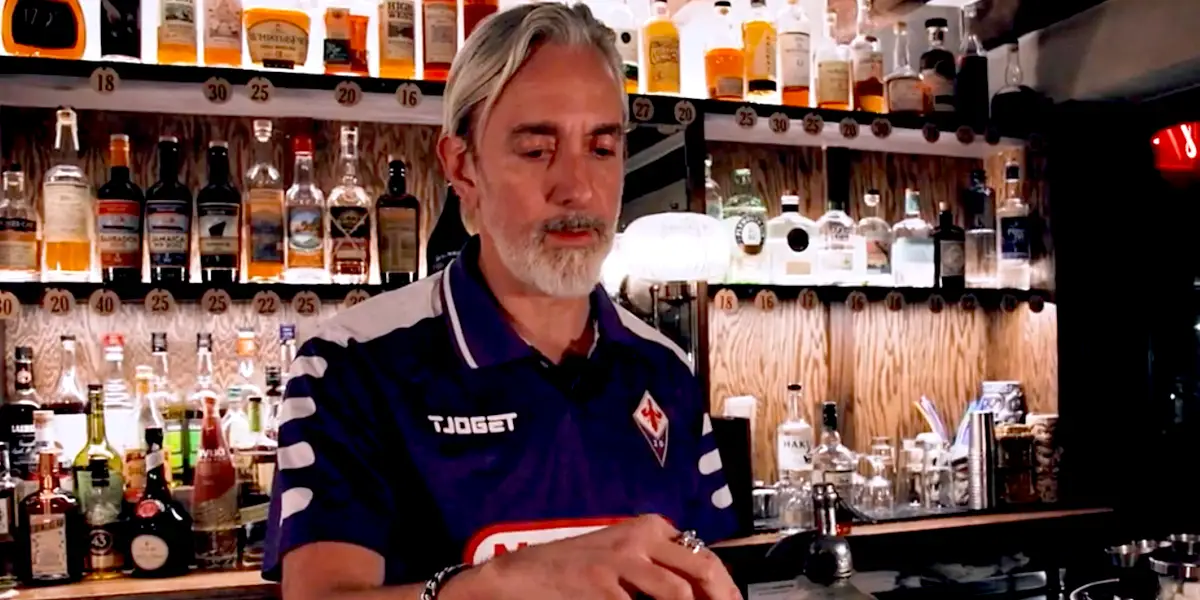 I stopped bartending full-time to sell ice. My company now makes nearly $3 million a year, catering to Michelin-starred restaura
dnyuz.com
I stopped bartending full-time to sell ice. My company now makes nearly $3 million a year, catering to Michelin-starred restaura
dnyuz.com
A small New York City company is proving, once again, that the most lucrative “innovation” is often not a new molecule or a new app, but a stubborn refusal to treat a mundane input as a commodity.
According to a first-person account published by dnyuz, a former bartender left full-time bar work to build a business around “premium ice” — large, clear cubes and other formats designed for high-end cocktails. The company now generates close to $3 million a year supplying Michelin-starred restaurants and other upscale venues.
The pitch is not that water has changed. The pitch is that everything around water is expensive when you’re selling a $24 Old Fashioned to a customer who expects the drink to look like a product photo. Clear ice requires filtration, controlled freezing, and handling that avoids clouding and cracking. Then comes the part customers actually pay for: reliability. Ice is heavy, melts, chips, absorbs odors, and punishes sloppy logistics. The business is monetizing friction — the unglamorous constraints of physics and distribution.
This cuts against the standard “startup” mythology in which every margin is supposedly created by software and every operational problem can be outsourced to someone else’s balance sheet. Here, the moat is not patents or venture capital burn; it is disciplined process control, predictable delivery, and a reputation that survives the Friday-night rush.
Markets are capable of producing “standards” without a standards authority. If a restaurant wants ice that is optically clear, uniform in size, and delivered on time, it can pay for it. If it doesn’t, it can buy a bag at the corner store and accept the aesthetic downgrade. No subsidies, no compliance regime, no ritualized consultations — just price signals and consequences.
In much of Europe, including Sweden, the hospitality sector is increasingly treated as a policy instrument: regulated, inspected, “certified,” and periodically rescued, while the actual craft and operational excellence are treated as secondary to paperwork. The New York ice business is the opposite: a voluntary chain of contracts where quality is enforced by customers who can switch suppliers and by entrepreneurs who can go broke.
It’s not that everyone should sell ice. When institutions get obsessed with managing symbols, the openings for independent operators multiply — especially for those willing to do the hard, boring work that bureaucracies can’t incentive-align.
In the end, the most honest part of the story may be the simplest: even frozen water can be a premium product — provided someone is willing to own the ugly details.