
ByteDance deepfake Pitt vs Cruise clip rattles Hollywood
SAG-AFTRA warns of synthetic likeness abuse, Likeness-rights regime risks becoming DRM for faces and lawyers
Images
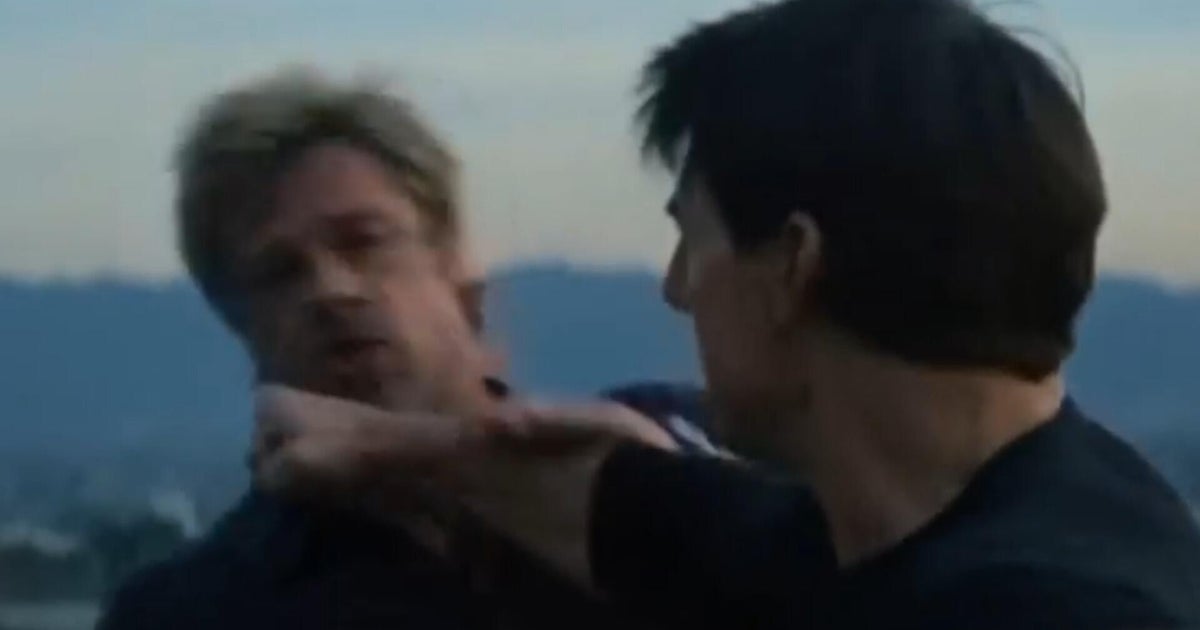 AI video of Brad Pitt and Tom Cruise alarms Hollywood actors and creators
cbsnews.com
AI video of Brad Pitt and Tom Cruise alarms Hollywood actors and creators
cbsnews.com
Hollywood has a new jump scare: a ByteDance-made AI video that appears to show Brad Pitt and Tom Cruise in a fight scene. CBS News reports the clip has alarmed actors and creators, and SAG-AFTRA president Sean Astin joined CBS to discuss the implications.
The clip itself is not the point; the industrialization is. Deepfakes are moving from bespoke hoaxes to mass-produced, platform-native commodities. Once generation becomes cheap, the scarce resource flips: not compute, but permission — the right to look like someone.
That is where the next regulatory gold rush is forming. “Likeness rights” and licensing markets are being positioned as the coming enforcement layer for generative media: a kind of DRM for faces, voices, and bodies. In theory, this could protect individuals. It is tailor-made to be captured by incumbents (major studios, major unions, major platforms) and administered by the usual intermediary caste: rights-management firms and lawyers billing by the hour.
The predictable result is a two-track internet. Big names get automated takedown pipelines, watermark registries, and contractual enforcement across platforms. Everyone else gets to file forms into the void — or accept that their identity is now training data.
Meanwhile, the censorship machinery won’t be purely governmental. Platforms already run private speech regimes through policy and moderation; adding “unauthorized likeness” as a content category gives them a clean, PR-friendly reason to remove material at scale. Governments then arrive afterward to ‘standardize’ the rules — conveniently cementing whatever enforcement stack the largest players have already built.
The same institutions warning about deepfakes often want the solution to be centralized and permissioned. That may protect celebrity brands, but it also creates a system where speech about powerful people becomes conditional on licensing. The deepfake panic can easily become a pretext to turn the open web into a gated media clearance house.
The ByteDance clip is a flashy demo, but the real story is the emerging deal: synthetic media for everyone, enforcement only for the well-lawyered — and a new regulatory excuse for platforms and states to tighten control over what gets seen.