
Lake Tahoe avalanche kills eight backcountry skiers
California deadliest slide on record near Castle Peak, Public safety rhetoric arrives after physics and risk tolerance did the work
Images
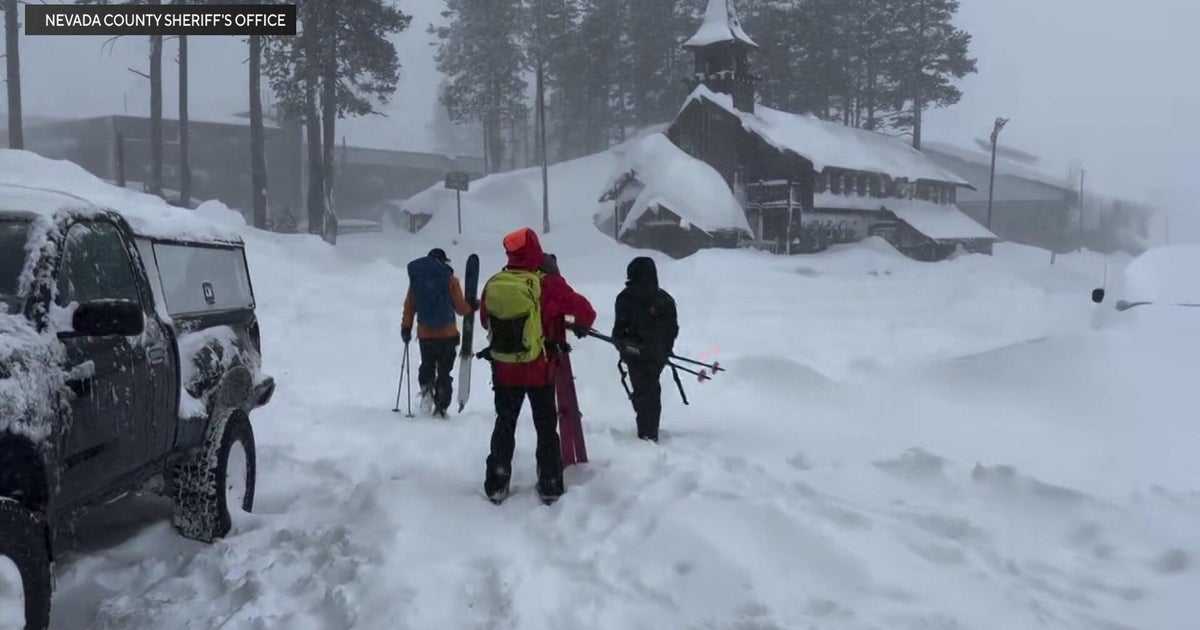 8 skiers dead after avalanche near California's Lake Tahoe; 9th still missing
cbsnews.com
8 skiers dead after avalanche near California's Lake Tahoe; 9th still missing
cbsnews.com
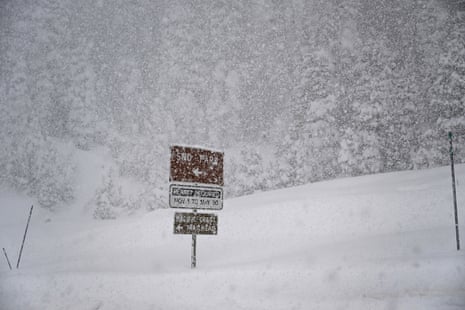 Crews found the bodies of eight backcountry skiers near California's Lake Tahoe and were searching for one more. Photograph: Héctor Amezcua/Sacramento Bee/Zuma Press Wire/Shutterstock
theguardian.com
Crews found the bodies of eight backcountry skiers near California's Lake Tahoe and were searching for one more. Photograph: Héctor Amezcua/Sacramento Bee/Zuma Press Wire/Shutterstock
theguardian.com
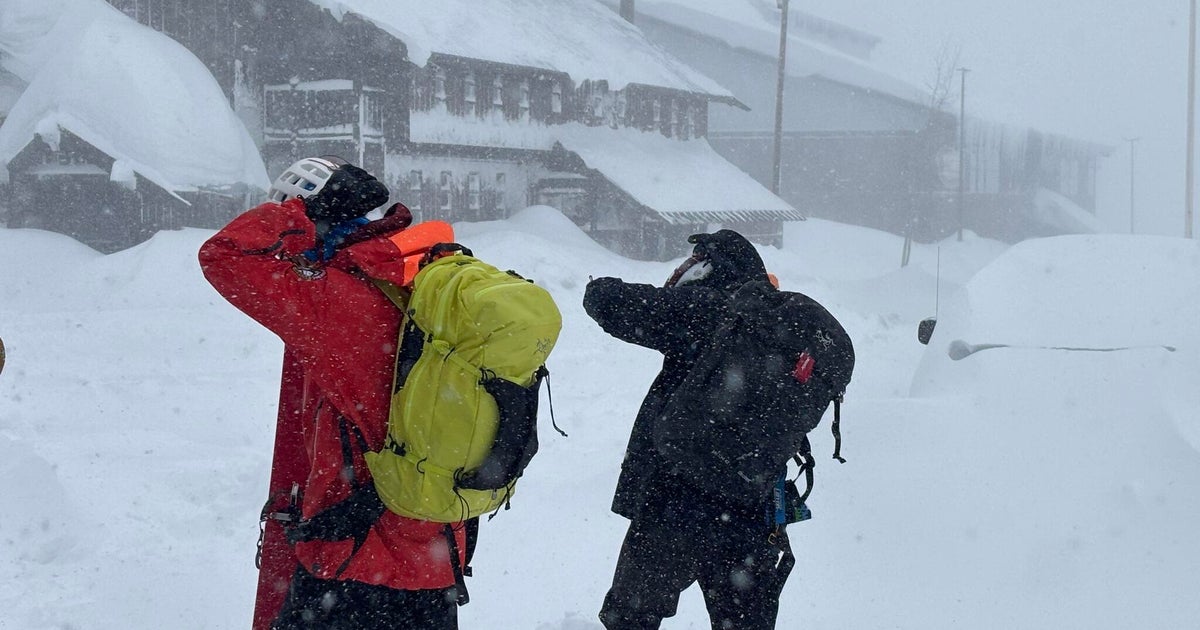 California avalanche survivors tried to unbury their friends, official says
cbsnews.com
California avalanche survivors tried to unbury their friends, official says
cbsnews.com
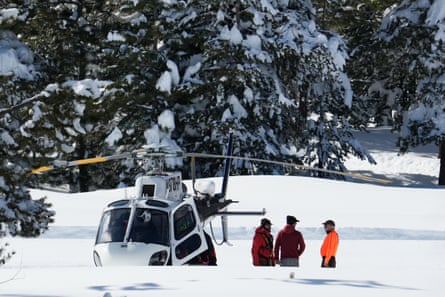 A search crew next to a California highway patrol helicopter on 20 February, in Truckee, California. Photograph: Godofredo A Vásquez/AP
theguardian.com
A search crew next to a California highway patrol helicopter on 20 February, in Truckee, California. Photograph: Godofredo A Vásquez/AP
theguardian.com
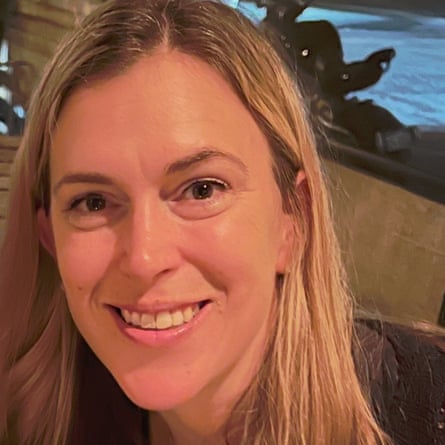 Danielle Keatley, in an undated photo. Photograph: Courtesy of the Keatley family/AP
theguardian.com
Danielle Keatley, in an undated photo. Photograph: Courtesy of the Keatley family/AP
theguardian.com
 A Nevada county sheriff's deputy walks outside the Truckee substation, on Thursday. Photograph: Héctor Amezcua/TNS/Zuma Press Wire/Shutterstock
theguardian.com
A Nevada county sheriff's deputy walks outside the Truckee substation, on Thursday. Photograph: Héctor Amezcua/TNS/Zuma Press Wire/Shutterstock
theguardian.com
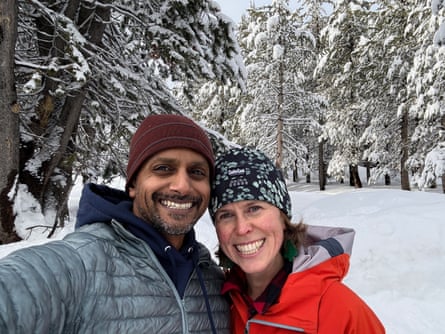 Kiren Sekar and Caroline Sekar, a victim of the deadly avalanche, in an undated photo. Photograph: Courtesy of Kiren Sekar/AP
theguardian.com
Kiren Sekar and Caroline Sekar, a victim of the deadly avalanche, in an undated photo. Photograph: Courtesy of Kiren Sekar/AP
theguardian.com
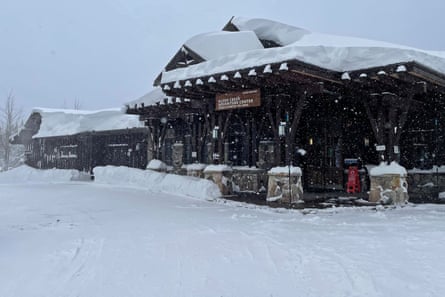 Alder Creek Adventure Center, one of two sites where search crews were launched to try to locate the missing skiers, in Truckee, California, on 18 February. Photograph: Jenna Greene/Reuters
theguardian.com
Alder Creek Adventure Center, one of two sites where search crews were launched to try to locate the missing skiers, in Truckee, California, on 18 February. Photograph: Jenna Greene/Reuters
theguardian.com
An avalanche near Lake Tahoe has killed eight backcountry skiers and left a ninth missing, in what CBS News describes as California’s deadliest avalanche on record. The slide struck near Castle Peak, a popular area for skiers looking to escape resort crowds and rules.
The tragedy is real; the policy reflex that follows is predictable. After every headline-grabbing incident outdoors, officials and advocacy groups rediscover “public safety” as a reason to tighten access, expand permitting, or push people into officially sanctioned corridors. But avalanches are not a bureaucratic failure. They are a fact of physics, weather, and terrain—plus the human choice to enter that terrain.
Backcountry skiing is, by design, decentralized. Individuals decide whether the snowpack, slope angle, wind loading, and recent storm history justify proceeding. They choose their gear—beacon, probe, shovel—and whether they have the competence to use it under stress. They choose their partners and their turnaround points. None of that is made safer by a new sign at the trailhead, or a rule that transforms a mountain into a regulated facility.
What does matter, and what is often glossed over in the post-incident scramble for control, is rescue capacity and information quality. Avalanche forecasting is a public good; so is reliable communication infrastructure; so is rapid response capability. Yet these are areas where centralized systems can become brittle: funding cycles shift, agencies prioritize optics, and liability concerns encourage risk-avoidance rather than capability-building.
A response could treat the backcountry like what it is: a space where adults bear the consequences of their decisions, and where the best interventions are those that improve information and response without turning voluntary risk into a permissioned activity. If you want fewer deaths, the boring work is better forecasting, better training culture, and better private and volunteer rescue coordination—not the comforting theater of restricting access after the fact.
The avalanche will be used to argue that freedom is the problem. The variable that changes outcomes is competence—plus the speed at which people can dig a buried partner out before minutes become fatal. Nature does not negotiate with regulators, and it certainly doesn’t read the new rules posted after the funerals.