
HUD proposes citizenship-proof mandate for public housing
Mixed-status families face eviction or separation, Welfare state turns shelter into immigration enforcement lever
Images
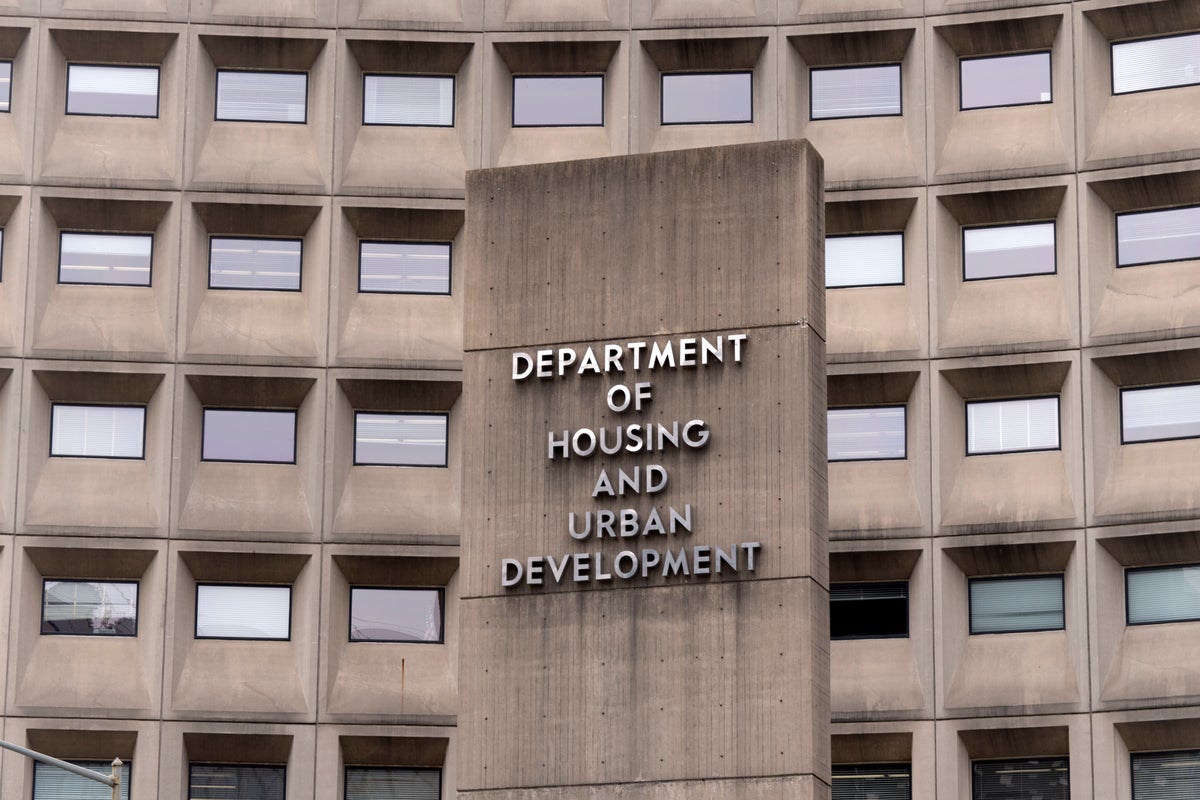 HUD proposes rule that would force noncitizens from public housing
independent.co.uk
HUD proposes rule that would force noncitizens from public housing
independent.co.uk
 HUD proposes rule that would force noncitizens from public housing
latimes.com
HUD proposes rule that would force noncitizens from public housing
latimes.com
The U.S. Department of Housing and Urban Development is proposing a rule that would effectively bar most noncitizens from public housing — and force mixed-status families to choose between eviction and family separation — under the banner of protecting taxpayers from “loopholes,” according to The Independent.
HUD’s proposal would restrict eligibility for public housing and other HUD-funded housing assistance to U.S. citizens and “eligible noncitizens.” Crucially, it would also require every resident in HUD-assisted housing to provide proof of citizenship or eligible immigration status — including residents aged 62 and older who previously only had to show proof of age.
That bureaucratic tweak is not a footnote; it is the point. When the state wants leverage, it does not need a new police force — it can simply turn paperwork into a deportation-adjacent instrument. A housing authority becomes an immigration screener. A landlord becomes a compliance officer. Families become case files.
The policy would hit “mixed status” households: families where some members are eligible for assistance and others are not. Under the current framework, assistance can be prorated so eligible members are not punished for the legal status of others. The new rule would end that accommodation, turning a housing subsidy into collective punishment.
The Independent reports that the proposal is framed as part of the Trump administration’s broader immigration crackdown. HUD Secretary Scott Turner said the “days of illegal aliens, ineligibles, and fraudsters gaming the system and riding the coattails of American taxpayers are over,” adding that HUD has “zero tolerance” for “pushing aside hardworking U.S. citizens.” The rhetoric is familiar: the state first builds a rationed system, then uses scarcity it created as moral justification for harsher policing.
Housing advocates warn the rule could lead to tens of thousands of evictions. The Independent cites the Center on Budget and Policy Priorities estimating that up to 20,000 families — as many as 80,000 people — could lose assistance if longstanding eligibility rules are overturned. The same report notes a practical problem that rarely troubles Washington: documentation. Millions of U.S. citizens lack ready proof of citizenship, and many more have difficulty obtaining it. The rule’s enforcement logic is not “citizens first,” but “papers first.”
This is the predictable end state of subsidy regimes. Public housing is sold as compassion; it becomes an administrative choke point. Once government owns the gate, it can redefine the terms of entry — and exit — by memo. If policymakers actually cared about housing security, they would stop turning shelter into a controlled benefit and start removing barriers that make housing scarce: zoning constraints, permitting bottlenecks, and cartel-like restrictions on building.
Instead, HUD is proposing to expand surveillance-by-eligibility — converting a housing program into a residency test — while pretending this is merely about fairness. The state does not just provide housing; it manufactures dependency and then calls the dependency “accountability.”