
Panera Bread confirms 5.1M-customer data breach
ShinyHunters leak turns loyalty accounts into phishing fuel, Consent banners do not patch centralized databases
Images
 Fox News Flash top headlines for February 17
foxnews.com
Fox News Flash top headlines for February 17
foxnews.com
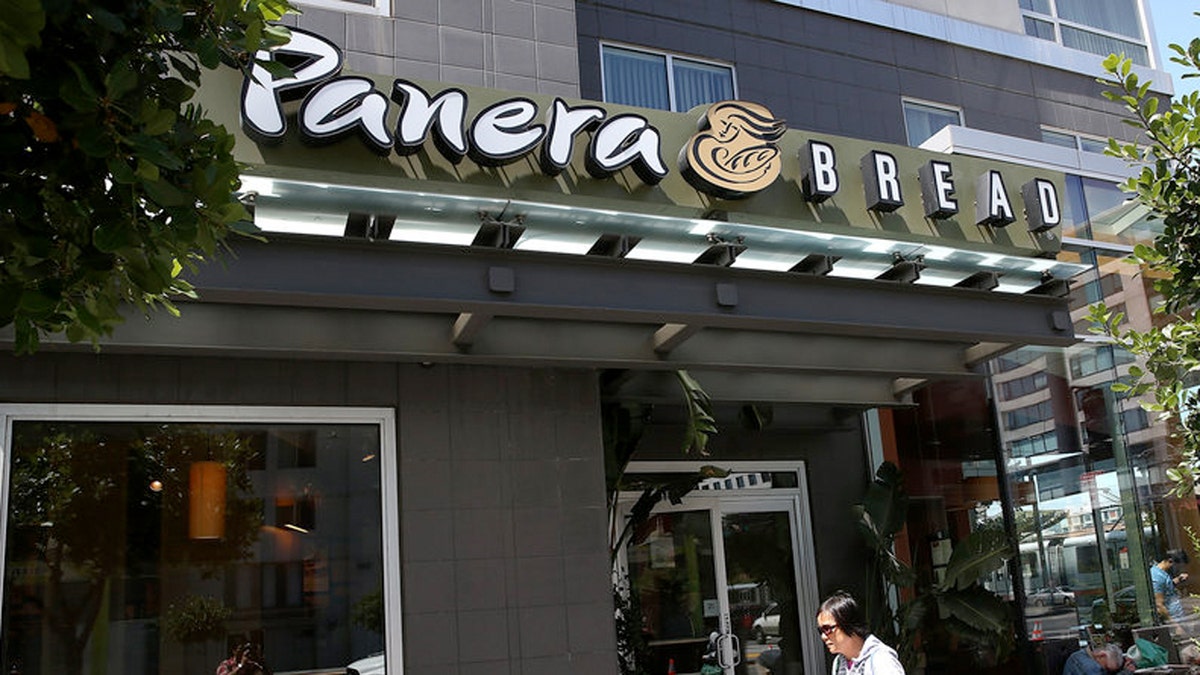 Exterior of a Panera Bread store
foxnews.com
Exterior of a Panera Bread store
foxnews.com
 The hacking group ShinyHunters leaked stolen Panera customer data online after an attempted extortion failed.
foxnews.com
The hacking group ShinyHunters leaked stolen Panera customer data online after an attempted extortion failed.
foxnews.com
 Person typing on their laptop.
foxnews.com
Person typing on their laptop.
foxnews.com
Panera Bread has confirmed a cybersecurity incident after the hacking group ShinyHunters claimed it stole customer data and, after an extortion attempt failed, published an archive of the material online, according to Fox News.
The numbers are a reminder that breach headlines are often marketing copy for criminals. ShinyHunters initially touted “more than 14 million” customer records, but researchers at Have I Been Pwned concluded the dump represented roughly 5.1 million unique individuals—still a large enough corpus to industrialize targeted scams. The exposed fields include names, email addresses, phone numbers and physical addresses, Fox News reports. Panera has described the exposed data as customer “contact information” and says it contacted law enforcement and took steps to address the incident, while declining to share technical details.
Calling it “contact information” is the corporate equivalent of calling a loaded handgun “metal.” A clean mapping of name + email + phone + address is exactly what criminals need for high-conversion social engineering: account-takeover attempts, SIM swap pretexting, fake delivery notices, and “support” calls that already know where you live. It also enables credential-stuffing campaigns to be tuned to specific victims and makes “verify your identity” scripts far more convincing.
ShinyHunters claimed it accessed Panera systems via Microsoft Entra single sign-on (SSO). Panera has not confirmed the vector, but the alleged method fits a broader pattern: attackers increasingly bypass technical defenses by pressuring humans. Fox News notes Okta has warned about a surge in voice-phishing attacks aimed at SSO platforms, where criminals impersonate helpdesk staff and coerce employees into approving authentication prompts or entering credentials on fake login pages. Once session tokens or credentials are captured, multi-factor authentication can become a speed bump rather than a barrier.
The more interesting question is why Panera had so much customer data concentrated and retained in the first place. Loyalty programs and app-based ordering are sold as “personalization,” but functionally they are CRM pipelines: a centralized dossier of who you are, where you are, and how to reach you—built for marketing and then repurposed by criminals at breach-time.
The post-breach ritual is also predictable: customers are told to be vigilant, maybe offered identity monitoring, and the brand moves on. That “identity protection” aftercare has become a default secondary industry—profitable, recurring, and conveniently downstream from the decision to hoard data.
The takeaway is dull but correct: stop collecting and retaining personal data you cannot defend, especially when the marginal business value is a coupon and a push notification. And stop pretending that cookie banners and “consent” flows change the physics of databases: if you centralize it, you will eventually leak it.