
University of Iowa fraternity hazing exposed by bodycam after fire alarm call
56 blindfolded pledges found in basement, campus micro-sovereignties collapse when state shows up with a flashlight
Images
 Bodycam video shows apparent hazing incident at University of Iowa fraternity house
foxnews.com
Bodycam video shows apparent hazing incident at University of Iowa fraternity house
foxnews.com
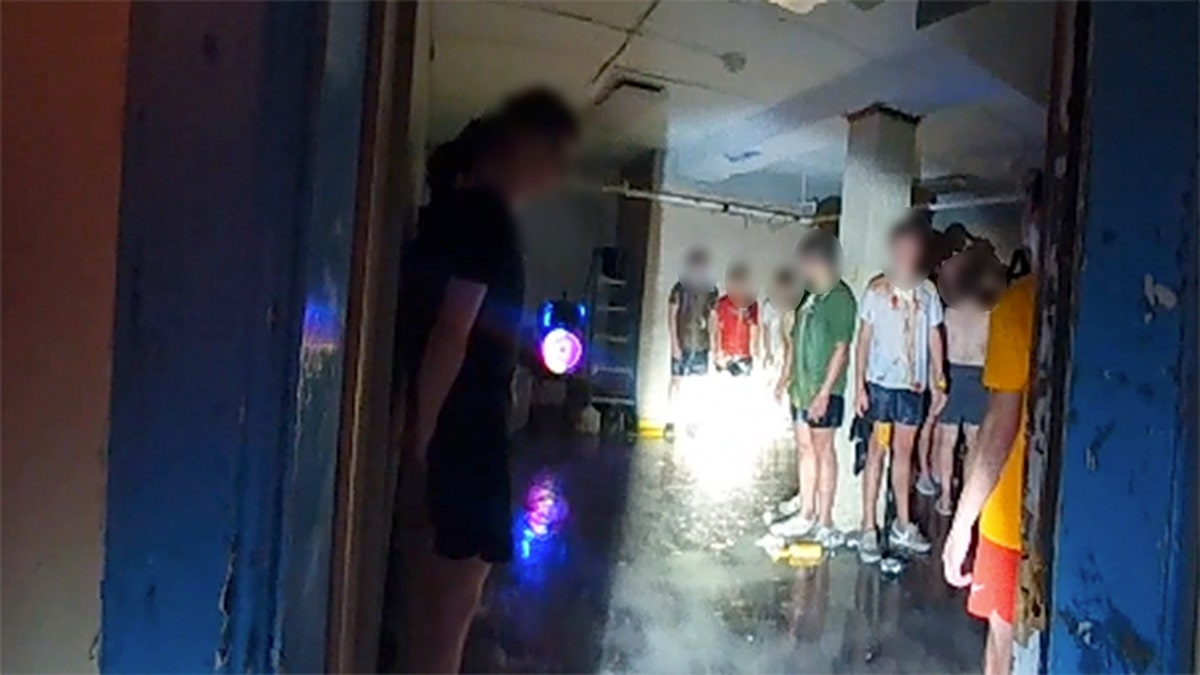 Body camera footage shows an alleged fraternity hazing incident at the University of Iowa
foxnews.com
Body camera footage shows an alleged fraternity hazing incident at the University of Iowa
foxnews.com
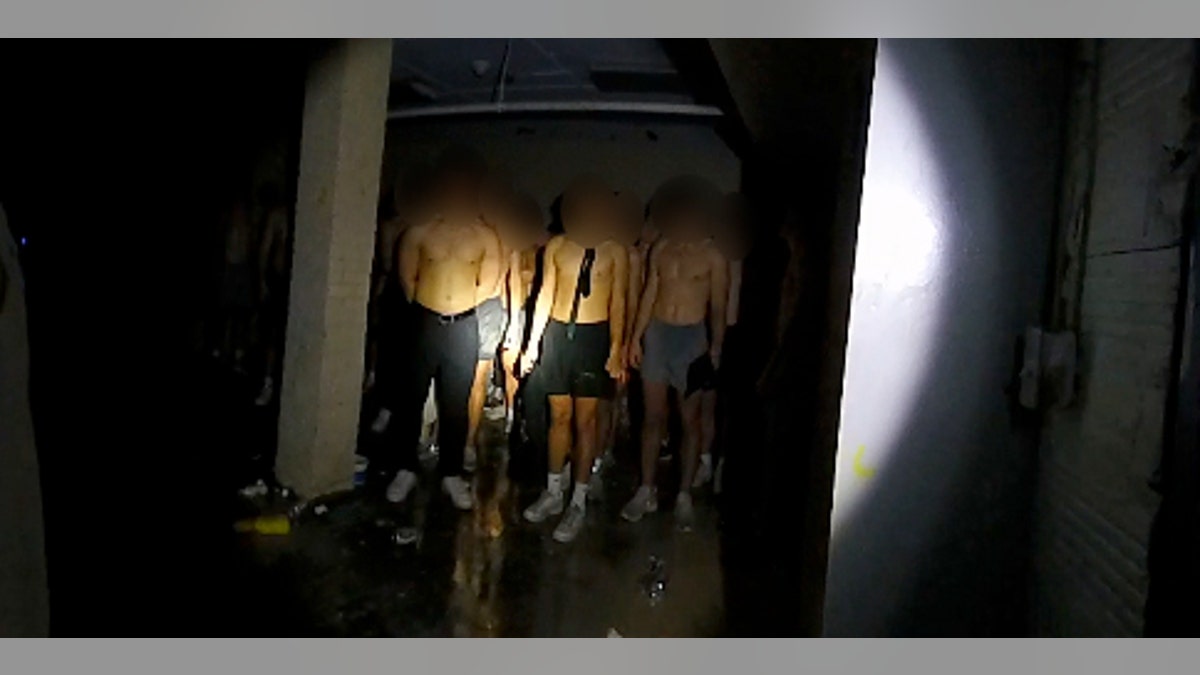 Body camera video shows an alleged fraternity hazing incident at the University of Iowa.
foxnews.com
Body camera video shows an alleged fraternity hazing incident at the University of Iowa.
foxnews.com
 University of Iowa campus in the spring.
foxnews.com
University of Iowa campus in the spring.
foxnews.com
A viral bodycam clip from Iowa City is an unusually literal illustration of what universities mean by “student life”: a closed-world jurisdiction with its own rituals, incentives, and enforcement—until the state arrives with a flashlight.
According to Fox News, officers from the Iowa City Police Department, fire services, and the University of Iowa police responded to a fire alarm at the Alpha Delta Phi fraternity house on Nov. 15, 2024. In the basement they found 56 college-aged men, blindfolded, many shirtless, and covered in various substances described as brown, white, and red.
The bodycam footage shows police trying to establish basic control—ordering evacuation due to the alarm and repeatedly asking who is “in charge.” The pledges remain silent and motionless. An officer notes that multiple commands to clear the room went ignored, and that the group appeared to be taking the situation “pretty serious.”
Outside, a man identifying himself as the fraternity president told officers it was a “lead-up to initiation,” described as a ritual where pledges are blindfolded and “get messed with.” In the footage, when police ask what is on the pledges, one person responds: “It’s just water.”
The officer’s frustration is not hard to understand. A fire alarm is not a suggestion, and the state’s monopoly on emergency response depends on people treating alarms as real even when they inconveniently interrupt private theater. Yet the pledges’ noncompliance is also revealing: hazing works by manufacturing a parallel chain of command. You obey the fraternity’s internal sovereignty first, even when the outside world is literally announcing itself through sirens.
Universities like to pretend they are purely educational institutions, not miniature city-states with disciplinary codes, quasi-judicial offices, and a thick layer of “student conduct” administration. Fraternities, in turn, often operate as micro-states inside the micro-state, complete with initiation rites that resemble a loyalty test: will you follow internal norms when external authority appears?
The question for the University of Iowa is not merely whether this was hazing (the officer in the video calls it that), but why the institution’s own governance structures so routinely fail to prevent predictable escalation. The modern university is excellent at regulating speech, posters, and pronouns; it is less impressive at preventing large groups of young men from being blindfolded in basements while a fire alarm blares.
The bodycam video went viral because it collides two legal orders in one frame: the informal, coercive hierarchy that produces conformity without paperwork, and the formal state apparatus that arrives with cameras and reports. One of them has better branding. The other has handcuffs.