
Gordon Ramsay attacks Ozempic and Mounjaro menus
GLP-1 drugs reshape restaurant ordering and portion economics, celebration rhetoric meets pharmacology and margin math
Images
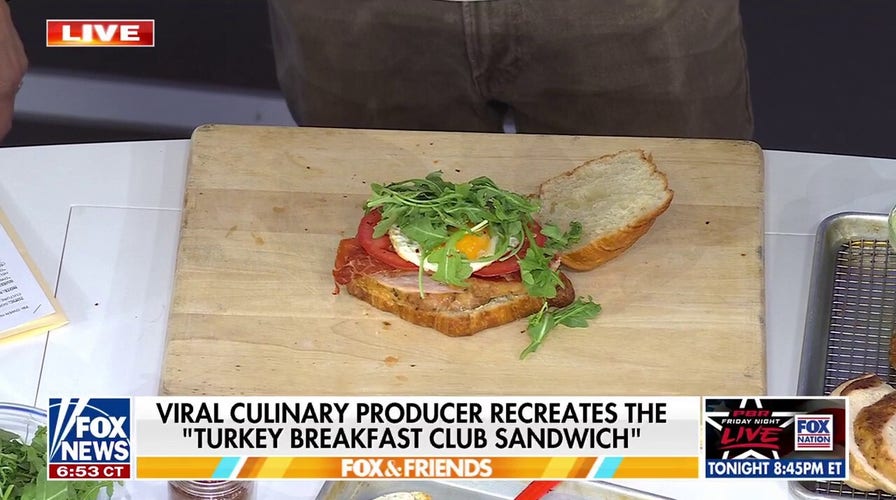 Gordon Ramsay releases 'Idiot Sandwich' cookbook
foxnews.com
Gordon Ramsay releases 'Idiot Sandwich' cookbook
foxnews.com
 Gordon Ramsay attends Esquire's "Men of the Year" awards in Madrid.
foxnews.com
Gordon Ramsay attends Esquire's "Men of the Year" awards in Madrid.
foxnews.com
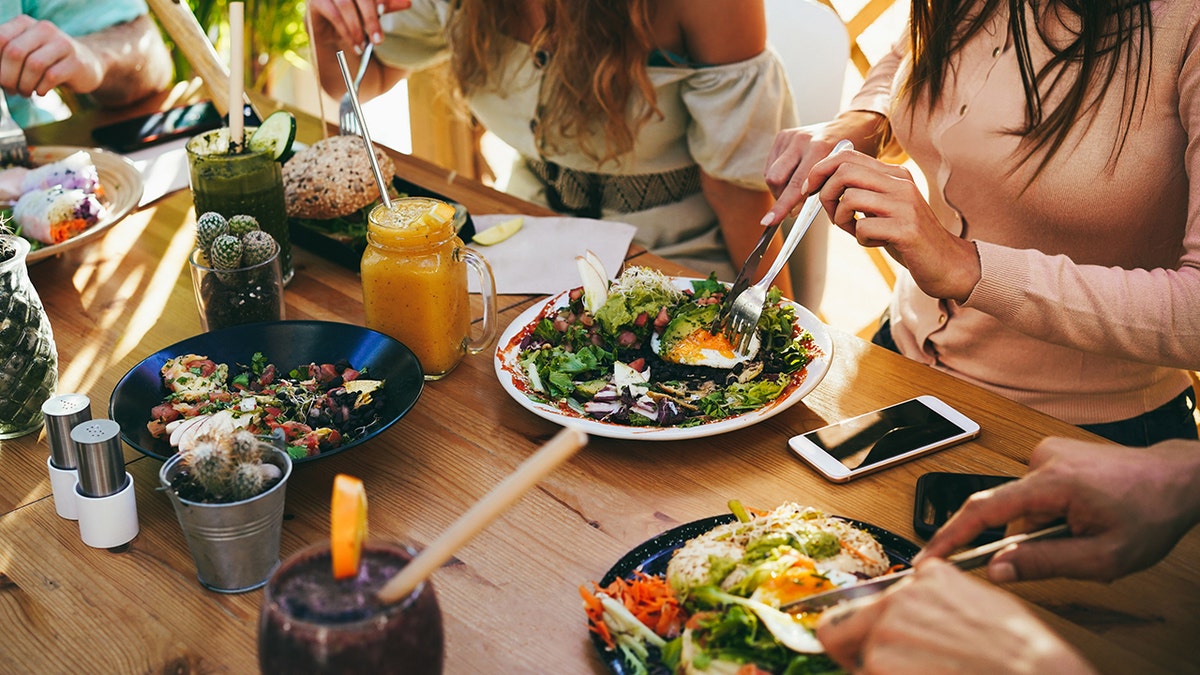 Young friends having fun eating brunch at healthy food restaurant, salads, veggie burgers, fried eggs and smoothies and juices seen on table.
foxnews.com
Young friends having fun eating brunch at healthy food restaurant, salads, veggie burgers, fried eggs and smoothies and juices seen on table.
foxnews.com
 Gordon Ramsay smiles while sitting on a couch during a recording of "The Jennifer Hudson Show."
foxnews.com
Gordon Ramsay smiles while sitting on a couch during a recording of "The Jennifer Hudson Show."
foxnews.com
Gordon Ramsay has discovered that the food business, like gravity, does not care about anyone’s feelings.
In an interview cited by Fox News, the celebrity chef blasted the emerging trend of “Ozempic” or “Mounjaro” restaurant menus—smaller-portion, high-protein, “GLP-1-friendly” offerings designed for diners using appetite-suppressing weight-loss drugs. Ramsay called the concept “stupid” and “embarrassing,” arguing that dining out is supposed to be “a celebration” rather than a pharmacologically constrained logistics exercise.
The market, however, is not obliged to share Ramsay’s romanticism. GLP-1 drugs such as Novo Nordisk’s Ozempic and Eli Lilly’s Mounjaro (and their obesity-indicated variants) are changing how a growing cohort eats—less volume, fewer add-ons, more protein and vegetables. A January study from Circana, referenced by Fox News, suggests GLP-1 users are not abandoning restaurants en masse; instead they’re ordering slightly fewer items per visit (down about 1% on average), shifting away from sides and toward main dishes.
That’s enough to force menu engineering. Restaurants live and die on attachment rates—sides, desserts, drinks—where margins are often better than on the entrée. If customers show up “medicated” against impulse ordering, operators will try to rebuild margin elsewhere: smaller tasting menus, protein-forward plates, and “nutrient-dense” positioning that makes portion shrinkage look like virtue rather than cost control.
Public health authorities and regulators spent decades scolding restaurants for serving too much food. Now that a blockbuster class of drugs suppresses demand for those calories, the same cultural ecosystem appears ready to scold restaurants for acknowledging the new reality too explicitly. Ramsay’s outrage is less about economics than aesthetics: he wants the ritual of abundance, even if the customer’s stomach has been chemically downsized.
Medicine—often subsidized, regulated, and politically promoted—has become an upstream force shaping private consumer behavior. Once the state-sanctioned pharmaceutical pipeline changes the customer, the supposedly decadent restaurant sector reacts with the speed that bureaucracies only promise in press releases.
Ramsay, for his part, lumped “Mounjaro menus” in with other culinary fads he dislikes, from “smashed avocado” to plate “foams” that, in his view, quickly resemble “your cat’s puked up on it.” The insults are entertaining; the business lesson is clearer: when incentives shift, menus follow—whether chefs find it tasteful or not.