
Mistral CEO warns AI power concentrates in US
Europe’s sovereignty talk depends on US compute and models, strategic autonomy drifts toward subsidies and mandates
Images
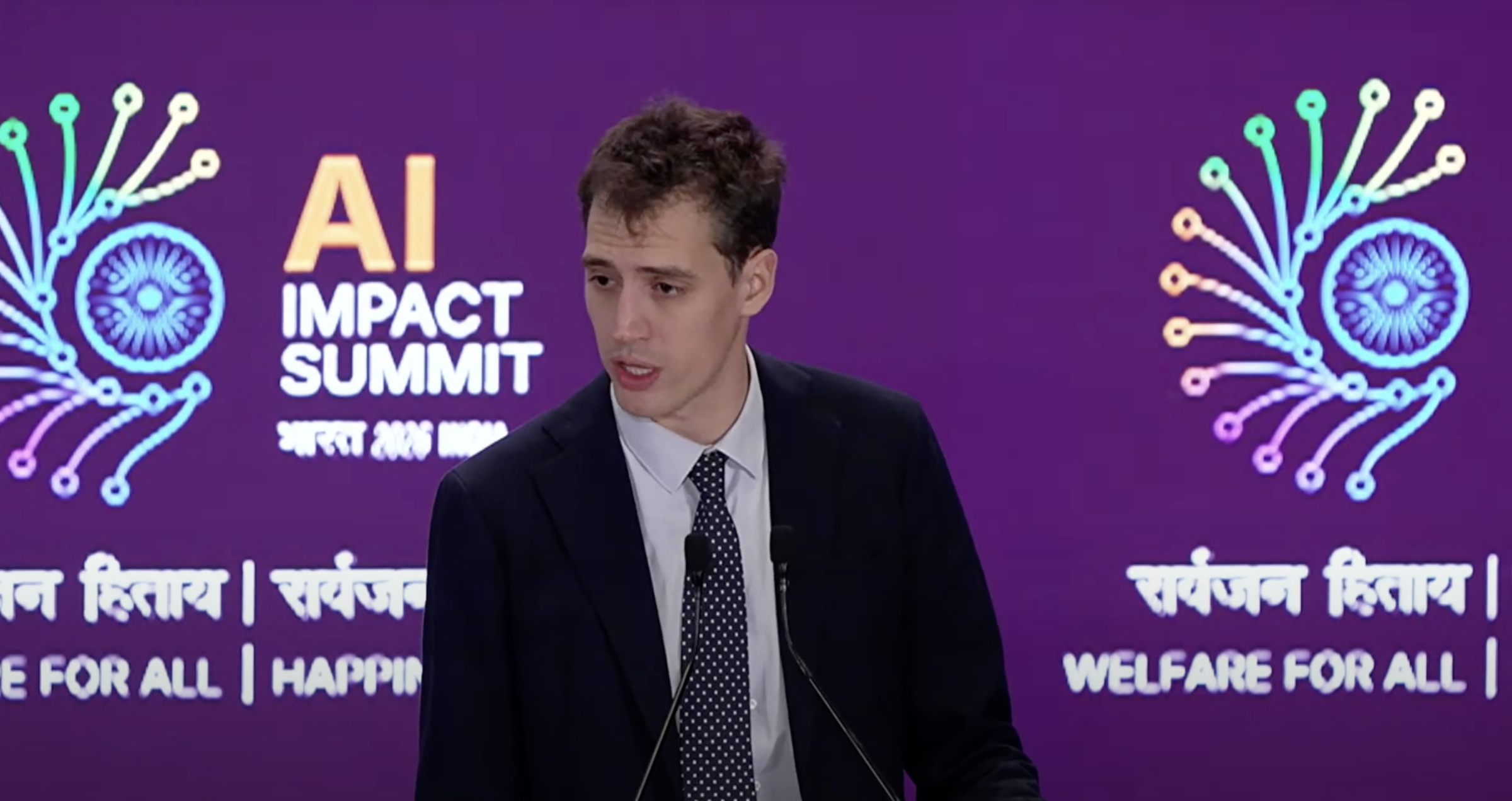 'We don't want to be in a world where three or four enormous companies actually own the deployment and making of AI'. said Mistral AI CEO Arthur Mensch
euobserver.com
'We don't want to be in a world where three or four enormous companies actually own the deployment and making of AI'. said Mistral AI CEO Arthur Mensch
euobserver.com
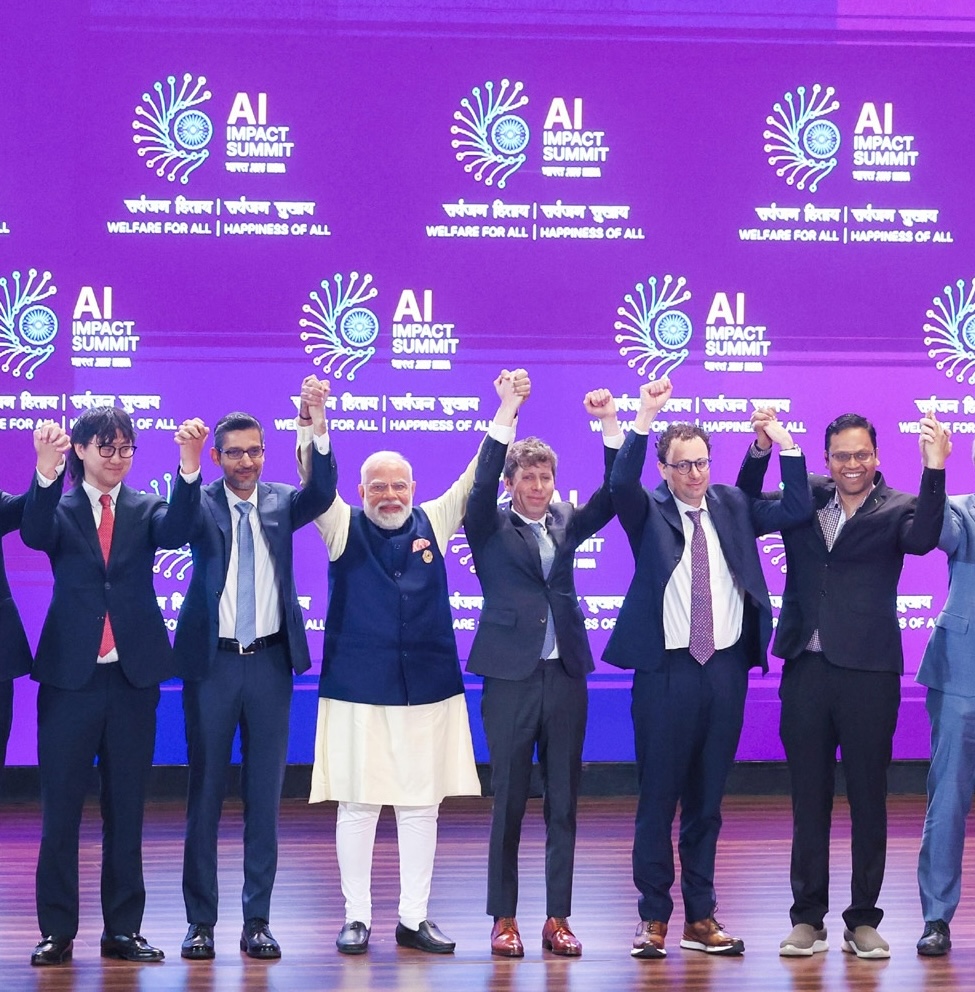 Modi and global tech leaders at the opening ceremony of India AI Impact Summit, where Amodei and Altman refused to hold hands (Prime Minister of India)
Prime Minister of India
Modi and global tech leaders at the opening ceremony of India AI Impact Summit, where Amodei and Altman refused to hold hands (Prime Minister of India)
Prime Minister of India
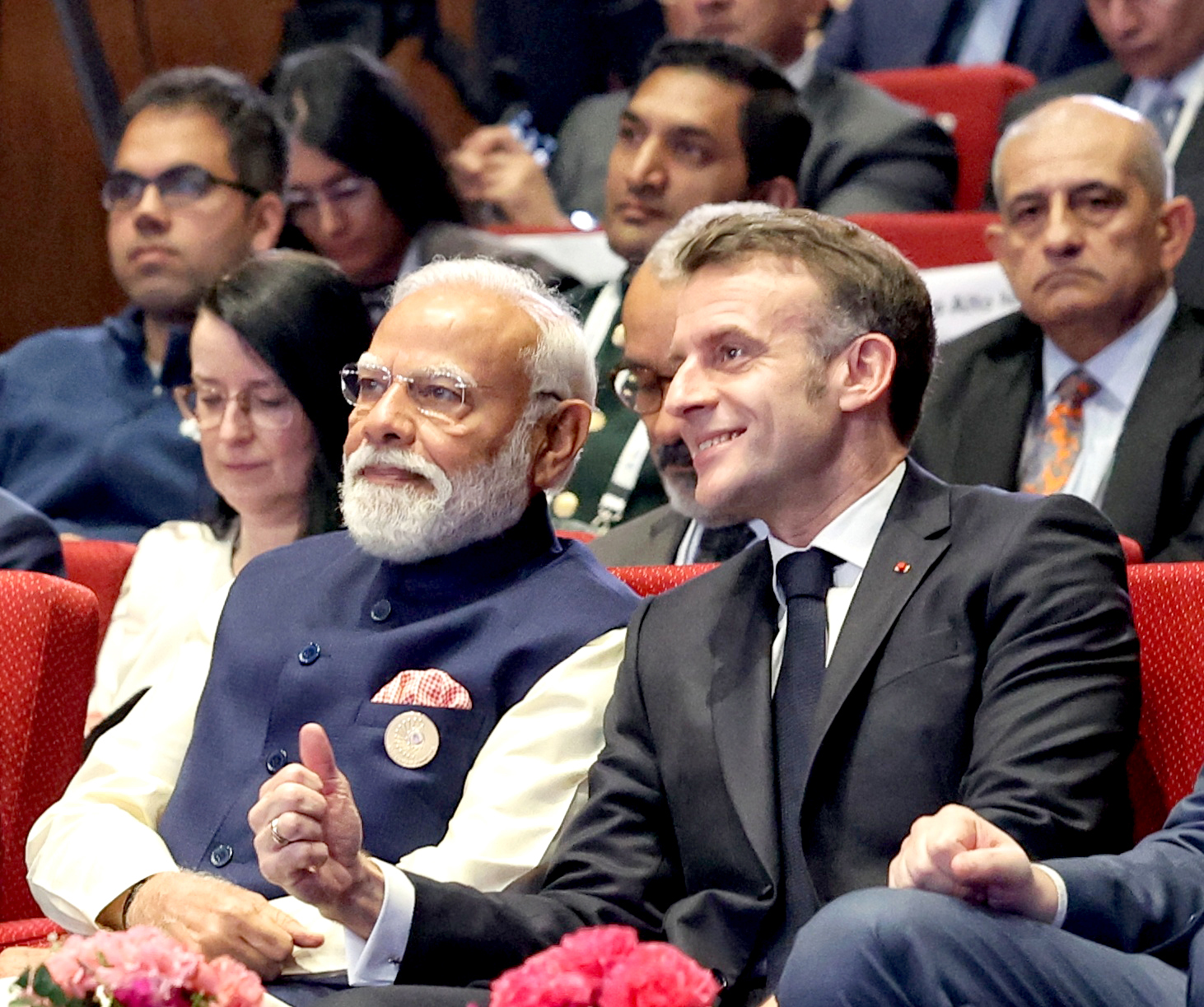 Modi and Macron at the opening ceremony of India AI Impact Summit (Prime Minister of India)
Prime Minister of India
Modi and Macron at the opening ceremony of India AI Impact Summit (Prime Minister of India)
Prime Minister of India
Europe’s AI “sovereignty” rhetoric got a fresh burst of oxygen this week when Arthur Mensch, CEO of Paris-based Mistral, warned that artificial intelligence is consolidating into the hands of a few enormous companies—mostly American ones. Speaking at the India AI Impact Summit in New Delhi, Mensch argued that concentrated ownership could translate into geopolitical leverage and called for “every country, every economic community” to own a piece of AI infrastructure, according to EUobserver.
EUobserver cites estimates that the US holds roughly 74% of global AI computing power, with China at 14% and the EU at about 5%. On the application layer, the same pattern holds: OpenAI’s ChatGPT is described as having around 700 million weekly users, and Sam Altman used the summit stage to predict that by 2028 “more of the world’s intellectual capacity could reside inside of data centres than outside of them,” EUobserver reports.
Europe’s sovereignty panic collides with a stubborn technical dependency graph. Modern frontier AI is not merely “software.” It is compute supply chains (GPU clusters, power, cooling, networking), foundation models, developer tooling, and distribution. Even Europe’s would-be champions routinely build on US-controlled layers—cloud capacity, chip ecosystems, and often US-origin model research. Mistral itself markets an “open” posture, but openness does not conjure data centres or semiconductors.
Political leaders at the summit leaned into safety and governance language. Indian prime minister Narendra Modi pitched “human-centric” AI and offered the acronym MANAV (human), while France’s Emmanuel Macron insisted Europe is “not blindly focused on regulation” and promised a combination of “innovation and investment” inside a “safe space,” per EUobserver.
European policy proposals often become less about decentralisation and more about industrial policy. “Strategic autonomy” in Brussels typically translates into subsidies, procurement mandates, and compliance regimes that reward incumbents—especially those able to staff the paperwork battalions required by EU-style regulation.
Mensch’s warning about “three or four enormous companies” owning AI deployment is also an inadvertent description of what state-led “sovereignty” programs often produce: a small cartel of politically connected vendors, protected by public contracts and harmonised standards, while startups are invited to compete in the thrilling sport of filling out forms.
Decentralisation depends less on summit declarations than on competition: cheaper compute, easier market entry, and fewer regulatory tripwires for new model builders and infrastructure entrepreneurs. If Europe wants less American leverage, it can start by making it easier to build data centres, deploy models, and ship products—without turning AI into another subsidised, committee-governed strategic sector.
If not, “sovereignty” will mean what it usually means: taxpayers funding the illusion of independence while continuing to run the future on someone else’s stack.