
Measles outbreak hits Enfield schools and nurseries
UKHSA data show London MMRV uptake far below herd-immunity threshold, Bureaucracy measures cases while failing coverage
Images
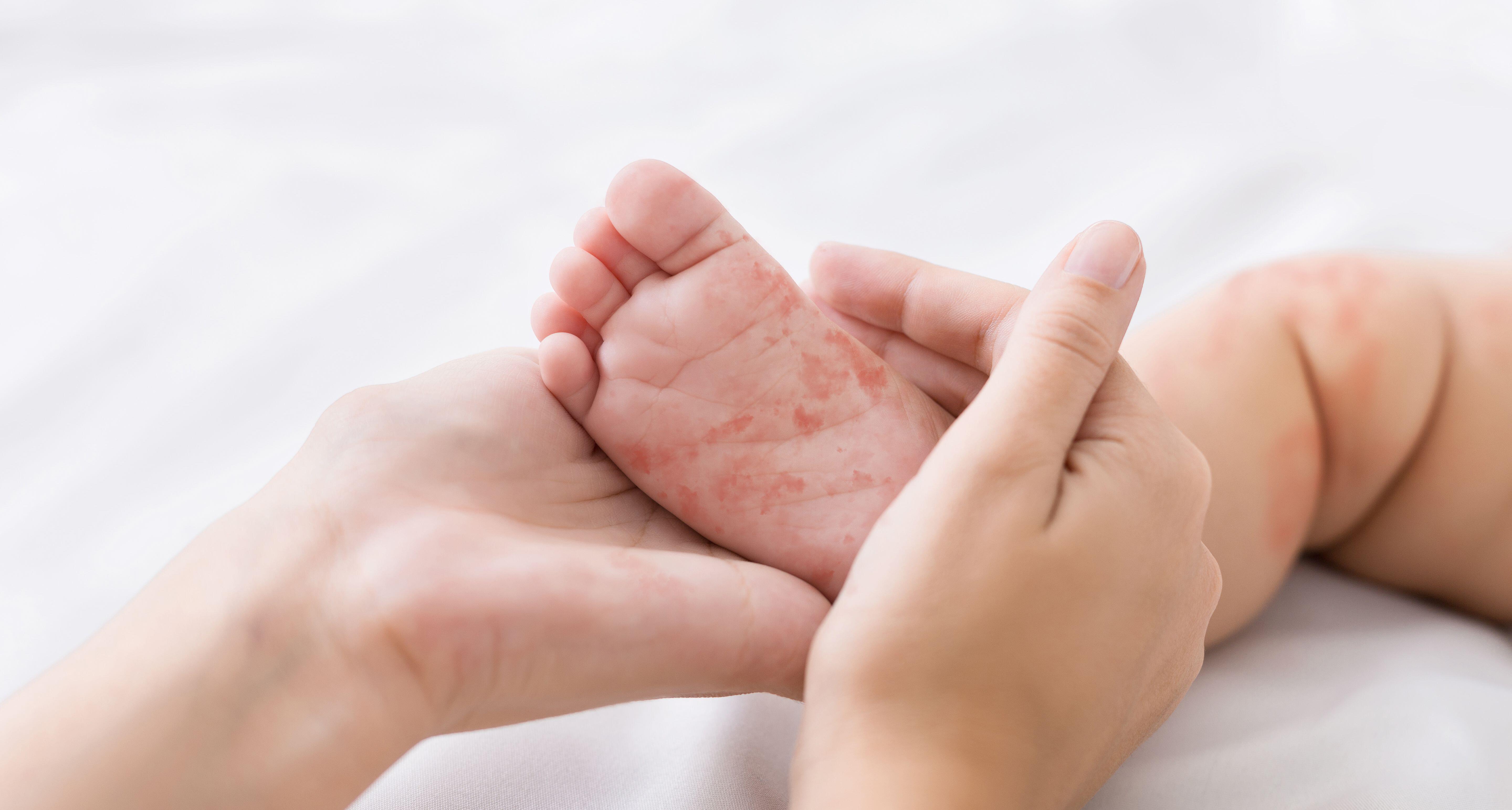 The spots of the measles rash, which are not usually itchy, are sometimes raised and join together to form blotchy patches (Alamy/PA)
Alamy/PA
The spots of the measles rash, which are not usually itchy, are sometimes raised and join together to form blotchy patches (Alamy/PA)
Alamy/PA
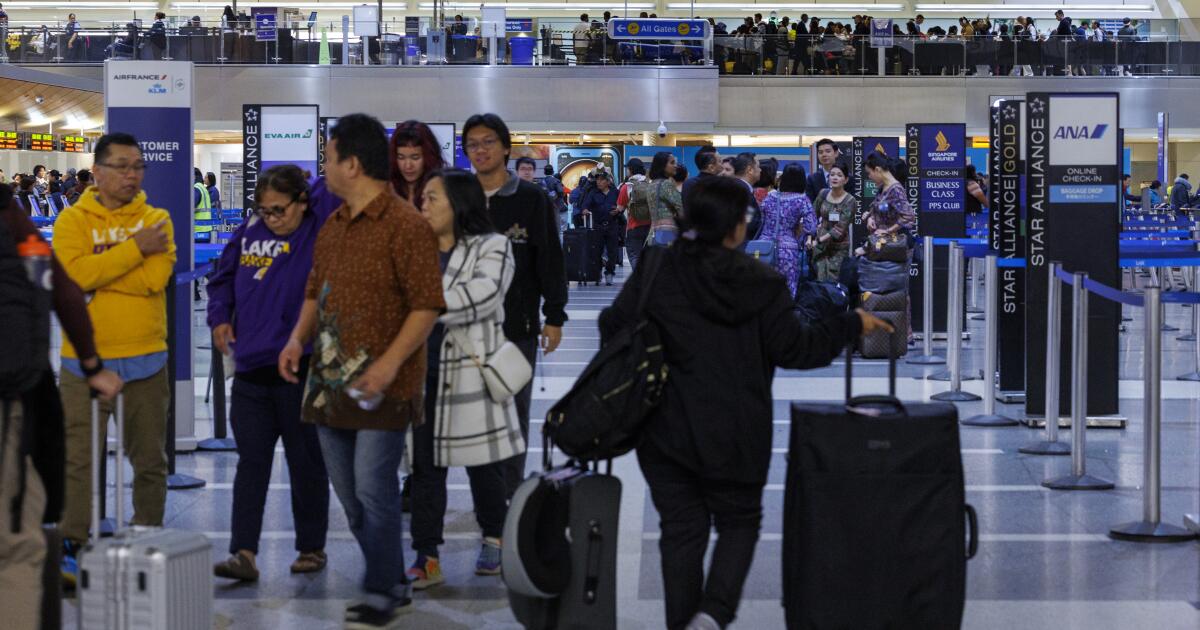 Fourth measles case confirmed in L.A. County; person visited LAX, restaurants while infectious
latimes.com
Fourth measles case confirmed in L.A. County; person visited LAX, restaurants while infectious
latimes.com
A measles outbreak in north London has reached 50 laboratory-confirmed cases in Enfield, overwhelmingly among unvaccinated children under 10, according to the UK Health Security Agency (UKHSA) figures cited by the Independent. Ten additional cases have been confirmed in neighbouring Haringey, with 23 in Birmingham. Since 1 January, England has recorded 130 lab-confirmed measles cases, with 68% in London and 22% in the West Midlands.
Measles is not a mysterious pathogen. It is a systems test. The virus is so contagious that the World Health Organization’s standard herd-immunity target is at least 95% coverage with two doses of a measles-containing vaccine. The Independent reports that Enfield’s two-dose coverage for five-year-olds in 2024–2025 is 64.3%. Haringey is at 65%, and Hackney at 58.3%. Every London borough is below 80%.
At those numbers, outbreaks are not “surprising”; they are scheduled.
UKHSA’s messaging, as quoted by the Independent, urges parents to contact their GP surgery to “catch up” on missed doses and stresses that it is “never too late.” That’s true at the individual level. Operationally, however, relying on GP-mediated catch-up is what bureaucracies do when they have authority but not delivery capacity. GP access is uneven, appointment friction is real, and the people least plugged into routine care are exactly those who will not respond to a politely worded press quote.
The outbreak’s age distribution underscores the predictable consequences of that approach. The Independent reports the largest share of cases is among children aged five to 10 (34.6%), followed by ages one to four (29.2%). Babies under one—too young for full protection—make up 12.3%. That is the externality in plain view: when coverage collapses, the costs are dumped on the youngest and the medically vulnerable.
Measles control is therefore less a debate about beliefs than about incentives and measurement. If the system rewards agencies for publishing dashboards and “raising awareness,” it will produce dashboards and awareness. If it rewards them for rapidly increasing two-dose coverage in specific postcodes, it will build logistics: school-based vaccination days, pop-up clinics with extended hours, and aggressive follow-up using real-time uptake data.
Instead, Britain is running a centralized public-health apparatus that can count cases precisely—“laboratory-confirmed”—while tolerating vaccination coverage that makes those cases inevitable. The virus is doing what viruses do.