
UN warns Israel stokes ethnic cleansing fears in Gaza and West Bank
Escalating language becomes policy currency, Institutions reclassify what they cannot stop
Images
 UN says Israel is stoking ‘ethnic cleansing’ fears in Gaza, West Bank
aljazeera.com
UN says Israel is stoking ‘ethnic cleansing’ fears in Gaza, West Bank
aljazeera.com
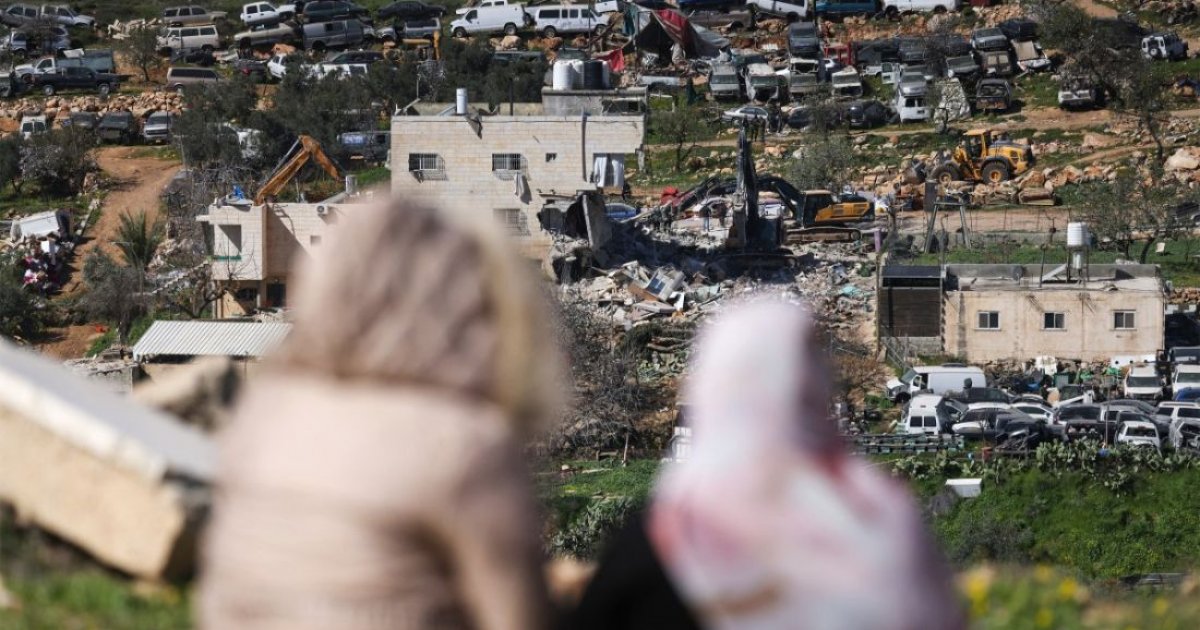 UN says Israeli actions raise ethnic cleansing fears in West Bank, Gaza
dhakatribune.com
UN says Israeli actions raise ethnic cleansing fears in West Bank, Gaza
dhakatribune.com
The UN is now warning that Israel is stoking “ethnic cleansing” fears in Gaza and the occupied West Bank—language that, in international institutions, functions less as diagnosis than as currency.
Al Jazeera reports UN officials said Israeli actions are raising alarm about the forced displacement of Palestinians, tying the warning to Israel’s ongoing military operations in Gaza and to measures tightening Israeli control in the West Bank. Dhaka Tribune, summarizing the same UN messaging, likewise highlights the “ethnic cleansing fears” framing as the UN’s latest escalation in rhetorical severity.
When institutions cannot stop events, they reclassify them. The UN’s tools—binding enforcement, credible deterrence, or even consistent consequences—are limited. What it can reliably produce is upgraded terminology, which then becomes an input into other bureaucratic pipelines: sanctions debates, donor politics, NGO fundraising, and the slow-motion machinery of international criminal-law referrals.
The timing matters because Israel’s West Bank policy is increasingly being executed through administrative means rather than headline-grabbing annexation votes. Land-registration and planning authority shifts, for example, can change facts on the ground without the optics of formal sovereignty claims. In Gaza, meanwhile, humanitarian arguments collide with military imperatives and the political incentives of all parties to externalize costs.
None of this makes the UN’s concern meaningless; it does make it instrumental. The phrase “ethnic cleansing” is not merely descriptive—it is a legal and political accelerant. Once invoked, it pressures states and institutions to “do something,” even when the available “somethings” are performative (statements), economically blunt (sanctions that often hit civilians), or jurisdictionally symbolic (ICC steps that may take years).
The pattern is hard to miss: large organizations with weak enforcement capacity compensate by inflating narrative stakes. That inflation can be sincere and still be self-serving, because it expands the institution’s relevance in a conflict it cannot control.
The question is what downstream actors will do with that wording: whether it becomes a pretext for coercive policy that worsens conditions on the ground, or a lever to force genuine de-escalation. Historically, the UN is better at producing paper than peace. But paper, in the hands of states, can still be used as a weapon.