
Iran holds naval drills with Russia as US carriers surge
Trump sets 10-day ultimatum for nuclear deal, Escalation-by-deadline shifts tail risk to taxpayers and civilians
Images
 Iran says US risking ‘crisis’ as Trump sets ’10, 15 days’ deadline for deal
aljazeera.com
Iran says US risking ‘crisis’ as Trump sets ’10, 15 days’ deadline for deal
aljazeera.com
 Leavitt Urges Iran to 'Make a Deal' as Trump Escalates Military Buildup
time.com
Leavitt Urges Iran to 'Make a Deal' as Trump Escalates Military Buildup
time.com
 Oil Rallies as US–Iran Tensions Flare
gcaptain.com
Oil Rallies as US–Iran Tensions Flare
gcaptain.com
 Trump warns Iran, Netanyahu issues threat as US military presence in Mideast grows
foxnews.com
Trump warns Iran, Netanyahu issues threat as US military presence in Mideast grows
foxnews.com
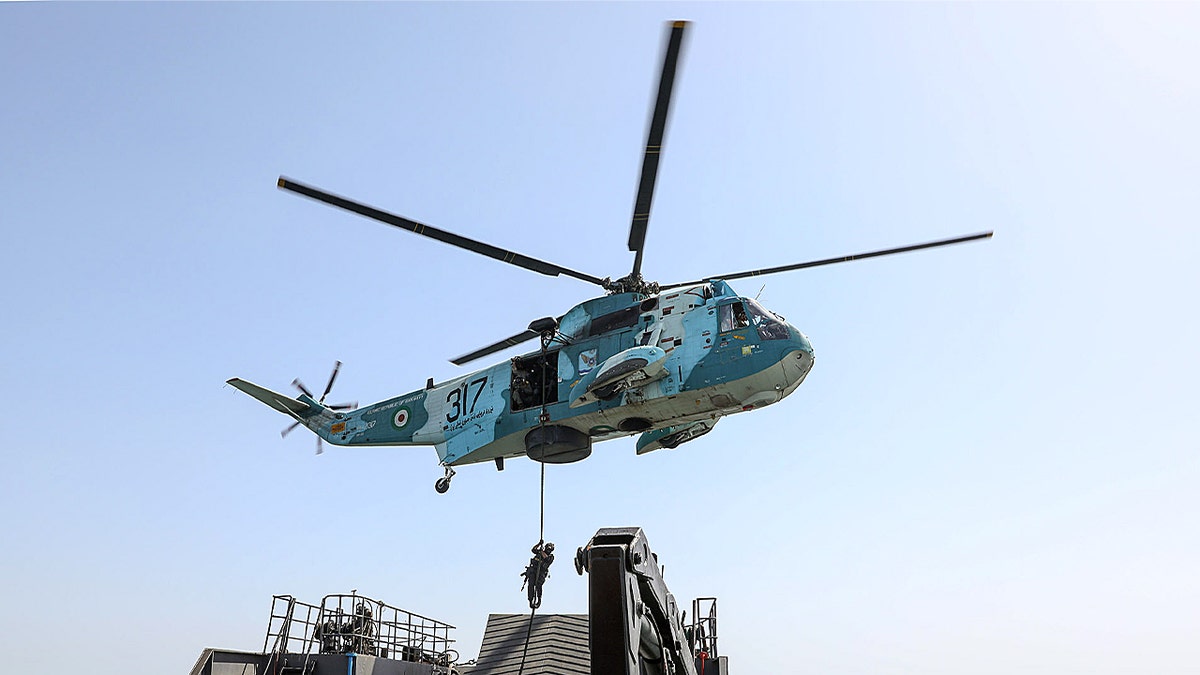 Strait of Hormuz drills.
foxnews.com
Strait of Hormuz drills.
foxnews.com
Iran and the United States are escalating their standoff in the most modern way possible: by moving hardware into place while putting a countdown timer on diplomacy.
Iran this week staged joint naval drills with Russia off its southern coast, with Iranian and Russian sailors rehearsing “rescue” operations from a hijacked vessel, according to Newsweek, citing Iranian state-linked media and Russia’s defense ministry. Tehran deployed missile-launching warships, at least one destroyer, helicopters and special-operations teams. The exercise fits a pattern: Iran and Russia—often with China—have run similar drills for years, but the timing is pointed as Washington floods the region with carrier strike groups, fighter aircraft and missile-capable ships.
WTOP reports Iran has also conducted separate exercises in recent days, including activity around the Strait of Hormuz, the narrow chokepoint through which a major share of global oil exports transits. Iran has a long history of turning that geography into leverage: it does not need to win a war to impose a tax on everyone else’s energy supply.
President Donald Trump, meanwhile, has tried to turn war planning into a ten-day negotiation format. Al Jazeera reports Trump said Iran has “10 days” to reach an agreement with the US—an ultimatum framed as diplomacy but backed by an expanding US military posture. Newsweek notes open-source tracking and analyst assessments suggesting the US buildup could support strikes on short notice.
The result is executive-branch escalation by deadline: a PR clock on one side, and “exercises” and maritime theatrics on the other. Congress, as usual, plays the role of a concerned spectator while the financial and human tail risk is implicitly socialized. If things go wrong, the bill does not go to the officials who set the tempo; it goes to taxpayers, shipping insurers, and civilians within missile range.
Iran’s leadership is matching the rhetoric. Newsweek quotes Supreme Leader Ayatollah Ali Khamenei warning that even the world’s “strongest military” could be struck so hard it “cannot even get back on its feet,” alongside threats that Iran could target US bases across the region in retaliation. This is not subtle: the US footprint in the Gulf is both deterrent and hostage.
Both sides insist they prefer diplomacy. The White House has said Trump still favors a deal, but also floated “many reasons” for a strike, per Newsweek’s account of administration messaging. Tehran, for its part, keeps negotiating while pouring concrete over sensitive sites and rehearsing naval contingencies—an approach that looks less like confidence in talks than insurance against their failure.
A ten-day countdown does not simplify complex security dilemmas; it simplifies accountability. The ships move, the deadlines pass, and the people who cannot move—ordinary residents and ordinary consumers—get to discover what “gunboat diplomacy” costs.